7-Day Morocco Itinerary: From Tangier to Marrakech
Are you ready to embark on a journey through Morocco’s diverse landscapes and cultures? Imagine exploring the historic medinas, experiencing the vibrant markets, and relaxing in the serene desert landscapes, all within a span of just 7 days.
This comprehensive travel guide is designed to take you through the best of Morocco, from the northern city of Tangier to the bustling streets of Marrakech. You’ll visit Chefchaouen’s blue-painted buildings, explore Fes’s ancient history, and enjoy the desert adventures that make Morocco a unique destination.
Key Takeaways
- Explore the historic medinas of Tangier and Fes
- Visit the blue city of Chefchaouen
- Experience the vibrant souks and markets of Marrakech
- Enjoy desert adventures and relax in serene landscapes
- Discover Morocco’s rich cultural heritage and history
Discovering the Magic of Morocco
Morocco is a place that grabs your attention. From the lively souks to the calm desert, it’s a mix of cultures and beauty. On your 7-day trip, you’ll see why Morocco is so special.
What Makes Morocco a Unique Destination
Morocco is known for its rich cultural heritage and lively cities. The historic medinas and markets are a sight to see. Plus, the natural beauty is stunning. You’ll find everything from ancient cities to the Sahara Desert.
Overview of the 7-Day Journey
This 7-day Morocco itinerary shows you the best spots. You’ll start in Tangier and end in Marrakech. Along the way, you’ll see different landscapes and cultures. With a guide, you’ll visit places most tourists miss, making your trip unforgettable.

Planning Your Perfect Morocco Itinerary
Planning your Morocco trip in advance is key to a stress-free journey. Morocco mixes traditional culture with modern life. It offers a wide range of experiences for travelers.
Best Time to Visit Morocco
The best times to visit Morocco are spring (March to May) and autumn (September to November). The weather is mild and pleasant during these periods. It’s perfect for exploring cities, historic sites, and natural landscapes.
Getting to Morocco from the US
Travelers from the US can fly into major Moroccan cities like Marrakech or Casablanca. Several airlines offer direct or connecting flights. Booking early helps get the best rates.
Visa Requirements and Entry Information
US citizens need a valid passport for Morocco, with at least six months’ validity beyond your departure date. A visa is not needed for stays up to 90 days. Always check the latest entry requirements before your trip.
Essential Travel Tips for Morocco
Before you head to Morocco, it’s important to know the local customs. Morocco is rich in culture. Understanding a few key points can make your trip better.
Currency and Money Matters
The official money in Morocco is the Moroccan dirham (MAD). Even though some places take credit cards, cash is more common. It’s best to have some dirhams ready when you arrive or get them from ATMs.
Language Basics
Arabic is the main language, but French is common in tourist spots. Knowing basic Arabic phrases like “hello” (مرحبا – marhaba) and “thank you” (شكرا – shukraan) shows respect.
Cultural Etiquette to Know
Morocco is a conservative place. Wear modest clothes, even in tourist areas. Avoid showing too much affection in public.
Is Morocco Safe for Travelers?
Morocco is mostly safe for visitors. But, it’s wise to stay alert and keep your valuables safe. This way, you can have a worry-free trip.
| Tip | Description |
|---|---|
| Respect Local Customs | Dress modestly and avoid public displays of affection. |
| Learn Basic Arabic Phrases | Show respect by greeting locals with “marhaba” (hello). |
| Be Mindful of Your Belongings | Keep valuables secure, even in crowded places. |
Transportation Options for Your Morocco Itinerary
Choosing the right transportation in Morocco is key to a great trip. As you plan your Morocco itinerary, knowing your options is important.
Getting Around Between Cities
There are many ways to travel between cities in Morocco. Trains are a good choice for long trips. They are comfortable and fast. The ONCF train connects places like Marrakech, Fes, and Tangier.
Public Transportation vs. Private Tours
Public transport like buses and trains is cheap and runs often. But, private tours give you a more personal experience. They’re great for seeing places not many tourists visit.
Hiring a Driver in Morocco
Hiring a driver is the most flexible and comfortable option. It’s perfect for groups or those with special interests. It makes seeing sights easy without worrying about roads.
Each way of traveling has its own benefits. The best choice depends on your trip plans and what you like.
Accommodation Guide for Your Moroccan Journey
Morocco has many places to stay, from cheap riads to fancy hotels. You can choose to live in a traditional Moroccan house or a modern hotel. There’s something for everyone.
Riads vs. Hotels
Riads are traditional Moroccan houses with gardens inside. They offer a unique cultural experience. Hotels have more amenities and services. Think about what you want when deciding between them.
Budget to Luxury Options
Morocco has something for every budget. You can find affordable riads and hotels in old cities or luxury resorts by the sea. There are many options to fit your budget.
Booking Tips and Recommendations
Book early, as it gets busy during peak times. Look up the best places in Morocco and read reviews. Think about the location and amenities to make your trip smooth.
Day 1: Arriving in Tangier – Gateway to Africa
When you arrive in Tangier, you’re not just entering Morocco. You’re stepping into a world where the Mediterranean meets the Sahara. Tangier, with its rich history and cultural significance, is the perfect start to your 7-day Moroccan adventure.
Exploring Tangier’s Historic Medina
The heart of Tangier is its historic Medina. It’s a maze of narrow streets filled with vibrant markets, historic landmarks, and cultural attractions. As you wander through the Medina, you’ll find the Grand Socco, a bustling square that connects the old city to the new.
Don’t miss the opportunity to explore the Kasbah, the old fortress. It now houses the Kasbah Museum, which offers insights into Tangier’s rich past.
Must-Visit Attractions in Tangier
Tangier is home to numerous attractions that showcase its unique blend of cultures. Some must-visit sites include:
- The Cave of Hercules, a legendary cave with a fascinating history.
- The American Legation Museum, a cultural center and museum that highlights the historical ties between the US and Morocco.
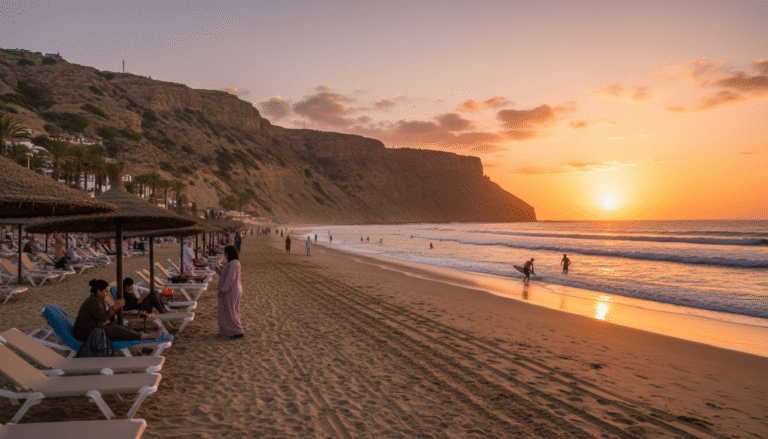
- The Beachside Corniche, a scenic promenade perfect for a leisurely stroll or a relaxing afternoon by the sea.
| Attraction | Description | Opening Hours |
|---|---|---|
| Cave of Hercules | A legendary cave with stunning views of the Atlantic Ocean. | 9:00 AM – 5:00 PM |
| American Legation Museum | A museum showing the historical ties between the US and Morocco. | 10:00 AM – 5:00 PM |
Where to Eat and Stay in Tangier
Tangier offers a wide range of dining and accommodation options. For a truly local experience, dine at Dar El Jazeera, known for its delicious Moroccan cuisine. For accommodation, consider La Maison Arabe, a charming riad that offers a glimpse into traditional Moroccan hospitality.
As you conclude your first day in Tangier, you’ve experienced the city’s vibrant atmosphere. You’ve explored its historic sites and enjoyed its culinary delights. Your Moroccan journey has just begun, and the memories you’ve created in Tangier will be the start of an unforgettable adventure.
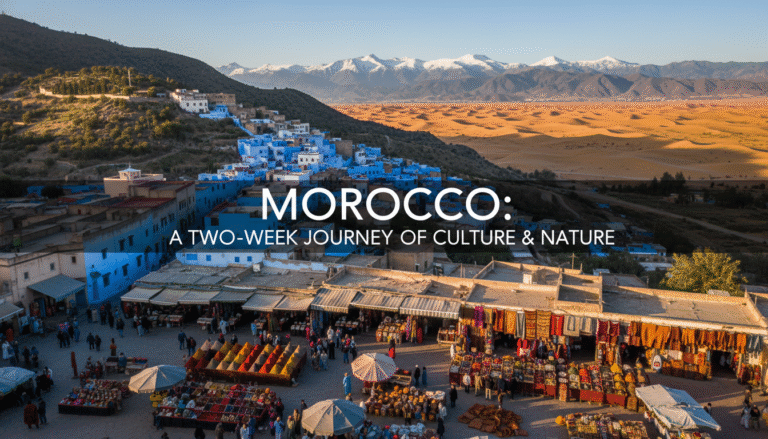
Day 2: Journey to Chefchaouen – The Blue Pearl
Your second day in Morocco starts with a drive to Chefchaouen, called the Blue Pearl. Leaving Tangier, you’ll see the Rif Mountains. These views make the trip as beautiful as the place you’re going to.
Transportation Options from Tangier
There are many ways to get from Tangier to Chefchaouen. You can take a private transfer, a public bus, or a guided tour. Private transfers are comfy and flexible. Public buses give you a real local feel. Guided tours add history and culture to your trip.
Exploring the Blue Streets of Chefchaouen
When you arrive, Chefchaouen’s blue buildings and narrow streets will amaze you. Take a walk through the medina. Enjoy the calm and take photos of the beautiful views.
Photography Spots and Local Experiences
Chefchaouen is great for photos, with its blue buildings, markets, and mountains. Make sure to see the Spanish Mosque viewpoint. Try local food and visit artisans to meet the locals.
Overnight in Chefchaouen
Chefchaouen has many places to stay, from simple guesthouses to fancy riads. Pick what you like and enjoy a calm night in this lovely town. Here’s a look at your options:
| Accommodation Type | Price Range | Amenities |
|---|---|---|
| Guesthouse | $20-$50 | Basic, Shared Bathroom |
| Riads | $80-$150 | Luxury, Private Bathroom, Courtyard |
After settling in, take time to enjoy Chefchaouen’s peaceful beauty. It’s a mix of rest and adventure.
“Chefchaouen is a gem in the Rif Mountains, with calm and culture.”
Day 3: Fes – Morocco’s Cultural Capital
Leaving Chefchaouen, you head to Fes, Morocco’s cultural heart. Fes is filled with history, markets, and artisan workshops. It’s a key spot for travelers.
Traveling from Chefchaouen to Fes
The drive from Chefchaouen to Fes takes about 4 hours. You’ll see Morocco’s varied landscapes. When you arrive, Fes’s old buildings and history will impress you.
Navigating Fes El Bali (Old Medina)
Fes El Bali is a huge, ancient city. Walking its narrow streets, you’ll find mosques, markets, and craftsmen. Getting lost here is part of the fun.
Historical Sites and Artisan Workshops
Fes has many historical sites like the Al-Attarine Madrasa. You can also visit workshops where traditional crafts are made. It’s a chance to see old skills up close.
Dining Experiences in Fes
Fes is a food lover’s dream. Try local dishes at riads for a taste of Morocco. Must-try foods include tagines, couscous, and pastilla.
| Dish | Description | Recommended At |
|---|---|---|
| Tagine | A slow-cooked stew made with meat, vegetables, and dried fruits, typically cooked in a clay pot. | Local Riads |
| Couscous | A traditional North African dish made from semolina flour, often served with vegetables and meat. | Traditional Moroccan Restaurants |
| Pastilla | A savory pie made with layers of flaky pastry, meat, onions, and spices. | Fine Dining Restaurants |
In Fes, you’ll dive into the city’s culture. From landmarks to food, this day in Fes will be unforgettable. It’s a key part of your Morocco travel journey.
Day 4: Desert Adventure to Merzouga
Day 4 of your itinerary planner Morocco takes you to the Middle Atlas Mountains and Merzouga’s dunes. It’s a day filled with adventure and learning about local culture. You’re in for an unforgettable desert experience.
The Journey Through the Middle Atlas Mountains
The trip to Merzouga goes through the Middle Atlas Mountains. You’ll see valleys, cedar forests, and Berber villages. This drive is beautiful and prepares you for the desert. It also shows Morocco’s rich culture.
Camel Trek and Overnight in the Sahara
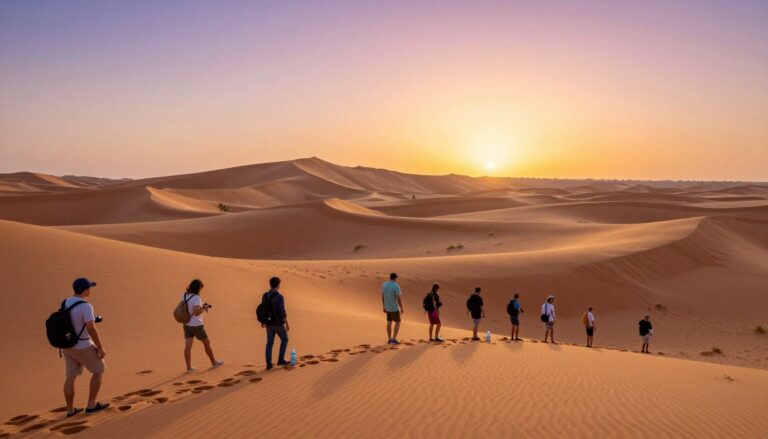
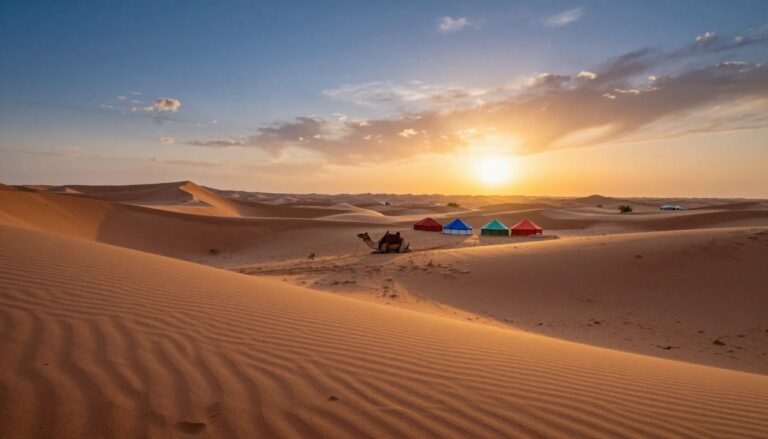
Riding camels across the Sahara dunes is a highlight. You’ll see the desert’s beauty as the sun sets. Then, you’ll stay in a desert camp, enjoying Berber food and the stars.
Berber Culture and Desert Experiences
Staying in the Sahara lets you learn about Berber culture. You can try local crafts and enjoy your hosts’ hospitality. The desert is more than its landscape; it’s about the culture and memories you make.
Day 5: Todra Gorge and Dades Valley
On the fifth day of your Morocco journey, you’ll see the amazing Todra Gorge and Dades Valley. After a morning in the desert, you’ll move to these natural wonders. You’ll dive into the stunning landscapes that make Morocco a best place to visit.
Morning in the Desert
Begin your day with a calm morning in the desert. Have a peaceful breakfast under the stars, then relax in your desert camp. This quiet start prepares you for a day of adventure and discovery.
Exploring Dramatic Landscapes
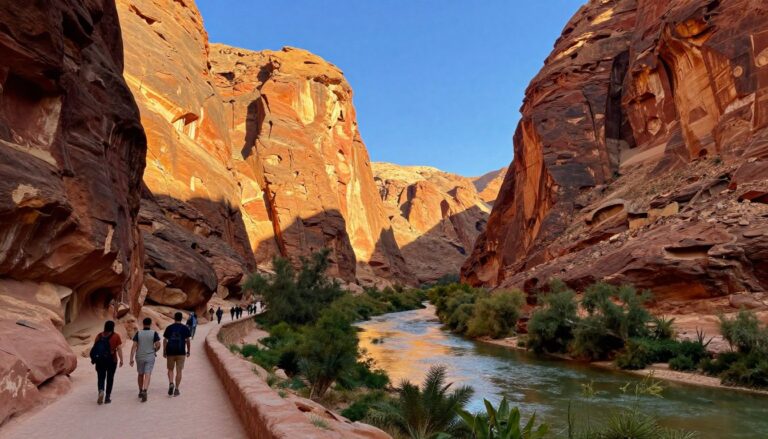
Traveling to Todra Gorge and Dades Valley, you’ll see incredible landscapes. Todra Gorge has tall cliffs and a lush oasis, perfect for hiking. Dades Valley offers views of Berber villages and amazing rock formations.
Accommodation Options in the Valley
After exploring, you can stay in local accommodations in the valley. Pick from cozy riads to luxury hotels, each showing off local culture and hospitality.
As you settle in, enjoy the natural beauty around you. Your visit to these Morocco attractions will be unforgettable.
Day 6: Ouarzazate and Ait Ben Haddou
Day 6 takes you to Ouarzazate, a city known for its ancient kasbahs and modern film studios. It’s called the “Gateway to the Desert.” This place is famous for its movie landscapes and history.
Visiting Morocco’s Famous Kasbah
One of the top spots is the Ait Ben Haddou kasbah, a UNESCO World Heritage site. This old city has been in many movies and TV shows, like “Game of Thrones” and “Gladiator.”
Film Studios and Cinema History
Ouarzazate has film studios like Atlas Studios. Here, you can see how movies are made. It’s a chance to see how Morocco is used in films.
The Drive Through the High Atlas Mountains
The trip to Ouarzazate goes through the High Atlas Mountains. You’ll see amazing views and Berber villages. It’s a journey that shows off Morocco’s beauty.
| Attraction | Location | Highlights |
|---|---|---|
| Ait Ben Haddou Kasbah | Ouarzazate | UNESCO World Heritage site, Film locations |
| Atlas Studios | Ouarzazate | Cinematography, Film making process |
| High Atlas Mountains | En route to Ouarzazate | Scenic views, Berber villages |
As you keep exploring Morocco, Ouarzazate and Ait Ben Haddou will give you memories of Morocco’s history and movie fame.
Day 7: Marrakech – The Red City Finale
Marrakech, known as the Red City, is your last stop on this incredible 7-day adventure through Morocco. It promises an unforgettable experience. You’ll find a mix of traditional and modern attractions that make Marrakech a must-visit destination.
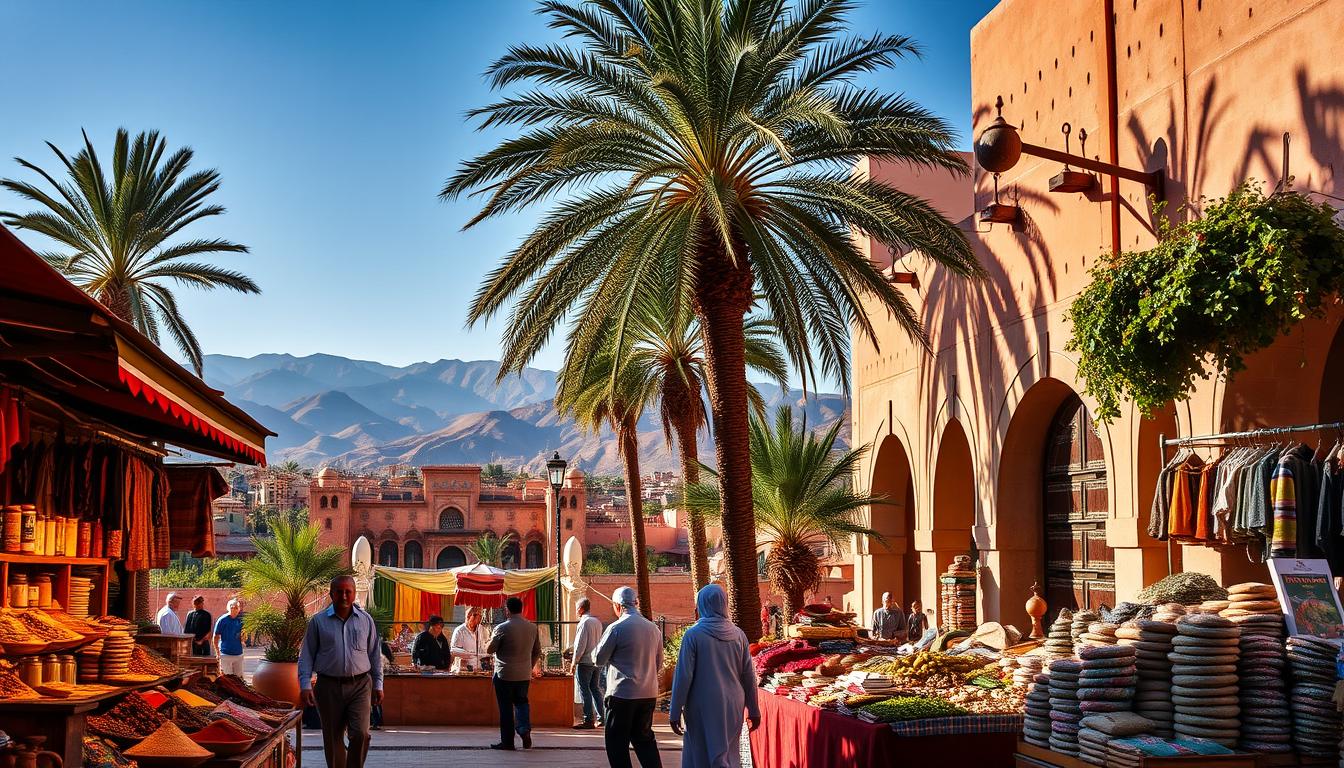
Exploring Jemaa el-Fnaa and the Souks
Jemaa el-Fnaa, the famous square in Marrakech, is a sensory overload in the best possible way. By day, it’s a bustling marketplace where you can find everything from fresh orange juice to handmade crafts. As night falls, it transforms into a vibrant spectacle with street performers, musicians, and food stalls serving local delicacies. As one traveler aptly put it,
“Jemaa el-Fnaa is a feast for the senses, a place where the energy is palpable and the atmosphere is electric.”
Must-See Historical Sites
Marrakech is home to numerous historical sites that reflect its rich cultural heritage. The Bahia Palace, with its intricacy, and the Koutoubia Mosque, the largest mosque in Marrakech, are must-visit attractions. These sites not only provide insight into Morocco’s architectural history but also offer a glimpse into the country’s cultural and religious practices.
Shopping and Dining Experiences
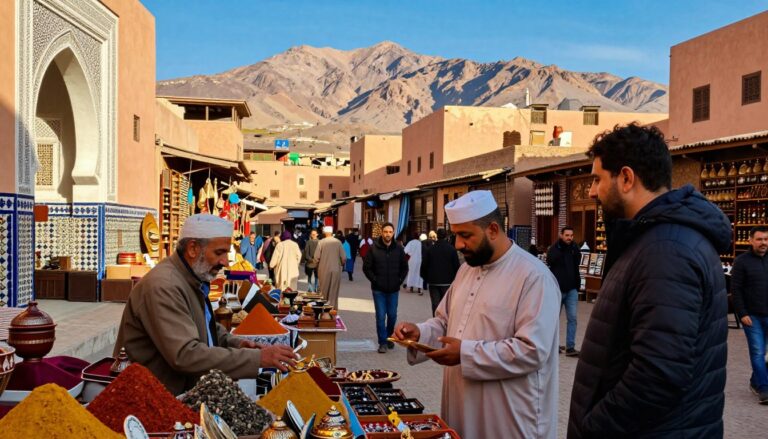
Marrakech is renowned for its souks, or markets, where you can find a wide range of goods. From spices and textiles to jewelry and handicrafts, there’s something for everyone. When it comes to dining, Marrakech offers a diverse culinary experience. Be sure to try some local specialties like tagine or couscous, and don’t miss the opportunity to enjoy a refreshing mint tea, a staple in Moroccan culture.
Evening Activities in Marrakech
The evenings in Marrakech are just as enchanting as the days. You can enjoy a leisurely stroll through the illuminated streets of the Medina, watch a traditional dance performance, or relax in a rooftop bar with a panoramic view of the city. For a truly unique experience, consider taking a hot air balloon ride over Marrakech at sunrise or sunset, with breathtaking views of the city and its surroundings.
As you conclude your journey in Marrakech, you’ll likely find that the city’s vibrant atmosphere and rich cultural experiences have made it a memorable finale to your Morocco travel. While safety is always a consideration when traveling, Morocco has taken significant steps to ensure tourist safety. This makes it a welcoming destination for travelers from around the world. So, as you reflect on your journey, you’ll understand why Marrakech is often considered the heart of Morocco.
Conclusion
With this 7-day Morocco itinerary, you’re set to explore Morocco’s diverse landscapes and rich culture. You’ll see the historic medina of Tangier and the lively souks of Marrakech. Your journey will be filled with unforgettable experiences.
Plan your trip to dive into local traditions and taste Moroccan cuisine. Don’t miss the stunning views of the Sahara Desert. Morocco’s mix of African, Arab, and European influences will enchant you.
Follow this itinerary to make the most of your time and create lasting memories. So, pack your bags and get ready to discover Morocco’s magic.