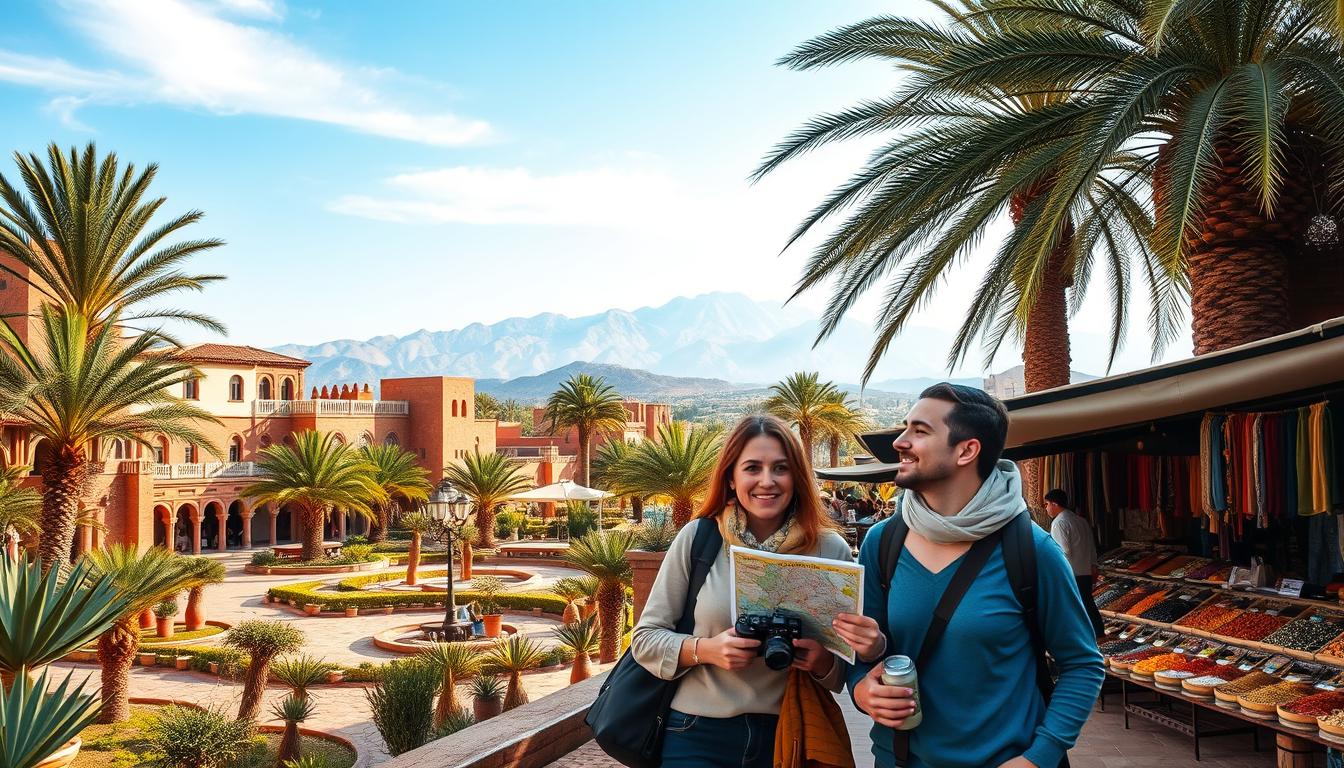
Is Morocco Safe? (2025 Guide)
Is Morocco safe? Are you considering a trip to Morocco but wondering if it’s a safe destination for your next adventure? You’re not alone. Many travelers have concerns about visiting this North African country, known for its rich culture, vibrant markets, and stunning landscapes.
As you plan your journey, it’s natural to have questions about travel safety. Morocco has been a popular destination for tourists, attracting millions of visitors each year. But like any other country, it’s not immune to challenges.
In this guide, we’ll explore the current safety situation in Morocco, providing you with valuable insights and practical tips to ensure a smooth and enjoyable trip. Whether you’re looking to explore bustling cities or relax on serene beaches, we’ll help you navigate the essentials of traveling in Morocco with confidence.
Morocco Safety Overview
As you plan your trip to Morocco, understanding the current safety landscape is crucial for a smooth and enjoyable journey. Morocco’s safety situation is influenced by various factors, including political stability, crime rates, and the risk of terrorism.
Current Safety Situation in 2025
Morocco has generally been considered a stable country in the region. Let’s examine the key aspects:
Political Stability
Morocco is a constitutional monarchy with a relatively stable political environment. The government has been proactive in maintaining security and addressing potential threats.
Terrorism Risk Assessment
While the risk of terrorism exists, as it does in many countries, Morocco has taken significant measures to counter terrorist activities. The government has implemented robust security measures, especially in tourist areas.
General Crime Statistics
Crime rates in Morocco are relatively moderate. Petty crimes such as pickpocketing and scams are more common in crowded areas and tourist hotspots.
| Crime Type | Rate (per 100,000) | Trend |
|---|---|---|
| Petty Theft | 450 | Increasing |
| Violent Crime | 120 | Stable |
| Scams | 200 | Decreasing |
Government Travel Advisories
Several governments have issued travel advisories for Morocco, generally advising caution, especially in certain areas. It’s essential to check the latest advisories from your government before traveling.
By staying informed about the current safety situation, you can better prepare for your trip to Morocco and enjoy the rich experiences the country has to offer.
Is Morocco Safe for Tourists?
Traveling to Morocco can be a thrilling experience, but safety should always be a top priority. As you plan your trip, understanding the safety landscape is crucial for a enjoyable journey.
Tourist-Specific Safety Concerns
Tourists in Morocco often face specific safety concerns that are different from those encountered by locals. Being aware of these issues can help you navigate the country more safely.
Common Incidents Reported by Tourists
Some common incidents reported by tourists include petty theft, scams, and harassment. Petty theft, such as pickpocketing, is common in crowded areas and tourist hotspots. To minimize the risk, keep your valuables secure and be mindful of your surroundings.
Scams targeting tourists can range from overpriced goods to more sophisticated schemes. Always research the market value of goods and services before making a purchase, and be cautious of overly friendly strangers.
Tourist Police Presence
Morocco has a dedicated tourist police force in major cities and tourist areas. These officers are trained to assist visitors and provide help when needed. Knowing that there is a visible police presence can enhance your sense of security.
Popular Tourist Destinations and Their Safety
Popular destinations like Marrakech, Fez, and Rabat are generally considered safe for tourists, with a strong police presence. However, it’s essential to remain vigilant, especially in crowded areas.
- Marrakech: Be cautious of aggressive vendors and pickpocketing in the Medina.
- Fez: Watch out for scams and be mindful of your belongings in crowded areas.
- Rabat: Generally safe, but be aware of your surroundings at night.
Safety Comparison with Other North African Countries
Compared to other North African countries, Morocco is considered relatively safe. The country’s stability and tourist infrastructure contribute to its safety. However, as with any travel, it’s crucial to stay informed and take necessary precautions.
By understanding the specific safety concerns and taking appropriate measures, you can have a safe and enjoyable trip to Morocco.
Regional Safety Guide: Where to Go and Where to Be Cautious
Morocco’s diverse geography and culture mean that safety can vary significantly from one region to another. As you plan your itinerary, understanding these regional differences is key to a safe and enjoyable trip.
Major Cities
Morocco’s major cities are generally bustling with activity, and while they offer a lot to visitors, they also have their own safety concerns.
Marrakech Safety Profile
Marrakech is known for its vibrant markets and rich cultural heritage. However, it’s also a hotspot for pickpocketing and scams. Be cautious in crowded areas like Jemaa el-Fnaa and be prepared to haggle in markets.
Casablanca Safety Profile
Casablanca, Morocco’s economic hub, is generally considered safe, especially in areas like the Corniche. However, petty theft can occur, so remain vigilant with your belongings.
Fes Safety Profile
Fes, with its ancient medina, is a UNESCO World Heritage site. The narrow streets can be confusing, and there are instances of harassment. Stay aware of your surroundings and keep your belongings secure.
Coastal Areas and Beach Towns
Coastal areas like Essaouira and Taghazout are popular for their relaxed atmosphere and beautiful beaches. These areas are generally considered safe, but it’s still important to be mindful of your belongings, especially in crowded beach areas.
Rural and Mountain Regions
Rural and mountain areas, such as the Atlas Mountains, offer stunning landscapes and traditional Berber communities. While generally safe, these areas can be challenging to navigate due to limited infrastructure. Consider hiring a local guide for treks and excursions.
Desert Excursions
Desert excursions, like those to Merzouga or Zagora, can be an exhilarating experience. Ensure you go with reputable tour operators who provide necessary safety equipment and guides.
| Region | Safety Profile | Precautions |
|---|---|---|
| Marrakech | High tourist traffic, risk of scams | Be cautious in crowded areas, haggle carefully |
| Casablanca | Generally safe, petty theft possible | Remain vigilant with belongings |
| Fes | Narrow streets, potential harassment | Stay aware of surroundings, secure belongings |
| Coastal Areas | Relaxed, safe, petty theft possible | Mind belongings, especially in crowded areas |
| Rural/Mountain | Generally safe, challenging navigation | Hire local guides for treks |
| Desert Excursions | Exhilarating, potential for getting lost | Go with reputable tour operators |
Common Safety Concerns in Morocco
As you plan your trip to Morocco, it’s essential to be aware of the common safety concerns that could impact your travel experience. While Morocco is generally a safe country to visit, there are certain issues that travelers should be cautious about.
Petty Theft and Pickpocketing
Petty theft and pickpocketing are common crimes in Morocco, particularly in crowded areas and tourist hotspots. Being mindful of your belongings can significantly reduce the risk of becoming a victim.
High-Risk Areas
Popular tourist destinations like Marrakech’s Jemaa el-Fnaa and busy medinas are hotspots for pickpocketing. Keep a close eye on your belongings, especially in crowded markets and public transportation.
Prevention Strategies
To minimize the risk of petty theft, use a money belt, keep your valuables secure, and be cautious of distractions. Consider using a bag with secure closures and keep it in front of you in crowded areas.
Scams Targeting Tourists
Scams are another safety concern in Morocco, with various schemes designed to deceive unsuspecting tourists. Being aware of these scams can help you avoid falling victim.
Common Scam Scenarios
Common scams include overly friendly locals offering unsolicited help, fake guides, and rigged exchange rates. Be wary of anyone approaching you with unsolicited offers or deals that seem too good to be true.
How to Avoid Being Scammed
To avoid being scammed, research reputable tour operators and guides, and be cautious of deals that seem unusually favorable. Always verify the authenticity of exchange rates and beware of distractions.
Harassment Issues
Harassment can be a concern for travelers, particularly solo females. Understanding local customs and dressing modestly can help minimize unwanted attention.
| Safety Concern | Prevention Strategies | Response Actions |
|---|---|---|
| Petty Theft | Use a money belt, secure valuables | Report to local police, contact your embassy |
| Scams | Research reputable guides, verify deals | Refuse to engage, report to authorities |
| Harassment | Dress modestly, understand local customs | Firmly decline, seek help from local authorities or your hotel |
Transportation Safety in Morocco
When traveling in Morocco, understanding your transportation options is crucial for a safe and enjoyable experience. Morocco offers a variety of transportation methods, each with its own safety considerations.
Taxis and Ride Services
Taxis are a popular mode of transportation in Morocco’s cities. There are two main types: Petit Taxi and Grand Taxi.
Petit Taxi vs. Grand Taxi
Petit Taxis are smaller vehicles that operate within city limits. They are metered, making it easier to gauge your fare. Grand Taxis, on the other hand, are larger vehicles that often serve inter-city routes or are used for longer trips. They usually require negotiating a fare beforehand.
- Always use the meter in Petit Taxis or agree on the fare before you start your journey.
- Be cautious of scams, especially in tourist areas.
Ride-Hailing Apps
Ride-hailing apps like Careem and Uber are available in major Moroccan cities, offering a safe and convenient alternative to traditional taxis.
- Download the app before you travel to Morocco.
- Verify the driver’s details and the car’s license plate before getting in.
Public Transportation
Morocco has an extensive network of buses and trains connecting major cities. While generally safe, be mindful of your belongings, especially in crowded areas.
Driving in Morocco
Road Conditions
Moroccan roads vary in quality. Major highways are generally in good condition, but rural roads can be challenging.
- Be prepared for aggressive driving and chaotic traffic in cities.
- Use reputable car rental agencies and ensure the vehicle is in good condition.
Traffic Rules and Enforcement
Morocco has strict traffic laws, but enforcement can be inconsistent. Always wear a seatbelt, and be aware of local driving customs.
Train Travel Safety
Trains are a safe and comfortable way to travel between cities. The national railway company, ONCF, operates modern trains with good safety records.
- Keep your belongings secure.
- Follow safety instructions provided by railway staff.
By being informed and cautious, you can navigate Morocco’s transportation system safely and enjoy your travels.
Safety Tips for Women Travelers
As a woman traveling to Morocco, it’s essential to be aware of the cultural nuances and safety tips to ensure a smooth journey. Morocco can be a fascinating and enriching destination, with its vibrant culture and stunning landscapes.
Cultural Considerations for Women
Understanding local customs is crucial. Moroccan culture is conservative, and women are expected to dress modestly. This not only shows respect for the local culture but also helps in avoiding unwanted attention.
Dress Code Recommendations
Dressing modestly is key. Cover your shoulders and knees to blend in with the local culture.
City vs. Rural Dress Expectations
In cities like Marrakech and Rabat, you’ll find a more relaxed atmosphere, but it’s still important to dress conservatively. In rural areas, the dress code is even more conservative, so it’s advisable to cover more.
Religious Site Attire
When visiting mosques or other religious sites, ensure you’re dressed appropriately. Often, you’ll need to cover your head and remove your shoes.
Solo Female Travel Advice
For solo female travelers, Morocco can be a bit challenging, but with the right precautions, it’s manageable. Consider staying in well-reviewed accommodations and being mindful of your surroundings, especially at night.
Accommodation Safety
Choose hotels or riads that have good security and are located in safe areas. Researching and reading reviews can help.
Nighttime Safety Precautions
Avoid walking alone at night in unfamiliar areas. Instead, opt for reputable taxi services or ride-sharing apps when you need to travel in the evening.

LGBTQ+ Safety in Morocco
As an LGBTQ+ traveler, understanding Morocco’s complex attitude towards your community is crucial for a safe trip. Morocco’s laws and cultural norms can be challenging for LGBTQ+ individuals.
Legal Status and Cultural Attitudes
Same-sex relationships are illegal in Morocco, and the cultural attitude is generally conservative. This can lead to discrimination and harassment.
Practical Safety Advice
To stay safe, be cautious with public displays of affection and avoid discussing your sexual orientation openly.
Public Behavior Guidelines
Be mindful of your surroundings and avoid behaviors that could attract unwanted attention.
Dating App Precautions
Exercise caution when using dating apps, as they can be breeding grounds for scams or harassment.
LGBTQ+ Friendly Spaces
Some cities have more open-minded areas, such as certain cafes or neighborhoods in Marrakech.
Health and Medical Safety
As you plan your trip to Morocco, understanding the health and medical safety landscape is crucial. Morocco, like many countries, has its unique set of health concerns that travelers should be aware of to ensure a safe and enjoyable journey.
Recommended Vaccinations
Before traveling to Morocco, it’s advisable to consult your healthcare provider about recommended vaccinations. Typically, vaccinations for hepatitis A, hepatitis B, and typhoid are suggested. Depending on your travel plans, other vaccinations might be necessary.
Food and Water Safety
Food and water safety are critical to avoiding illnesses in Morocco. It’s recommended to drink bottled or filtered water and avoid consuming undercooked meat or raw vegetables.
Street Food Guidelines
While street food is a significant part of Moroccan culture, it’s essential to choose stalls that are popular and have a high turnover of food to minimize the risk of foodborne illnesses.
Water Purification Methods
If you’re concerned about water safety, consider using water purification tablets or a portable filter. Boiling water is also an effective method to ensure it’s safe to drink.
Healthcare Facilities
Morocco has a range of healthcare facilities, from basic clinics to modern hospitals, especially in major cities like Marrakech and Casablanca.
Urban vs. Rural Healthcare Access
While urban areas have well-equipped hospitals, rural areas may have limited access to quality healthcare. It’s crucial to have a plan for emergency medical evacuations if needed.
Pharmacy Services
Pharmacies are widely available in Morocco, and pharmacists can offer advice on minor ailments and treatments. However, it’s always a good idea to bring any necessary prescription medications with you.
Travel Insurance Recommendations
Having comprehensive travel insurance that covers medical emergencies is highly recommended. Ensure your policy includes coverage for evacuations and repatriation.
| Health Consideration | Recommendation |
|---|---|
| Vaccinations | Hepatitis A, Hepatitis B, Typhoid |
| Water Safety | Drink bottled or filtered water |
| Street Food | Choose popular stalls with high food turnover |
| Healthcare | Urban areas have modern hospitals; consider evacuation insurance |
Natural Hazards and Weather Considerations
As you plan your trip to Morocco, it’s essential to consider the country’s natural hazards and weather conditions. Morocco’s diverse geography, from the Atlas Mountains to the Sahara Desert, makes it prone to various natural hazards.
Seasonal Weather Patterns
Morocco experiences a range of climates, from Mediterranean to desert conditions. Understanding these seasonal patterns can help you prepare.
Summer Heat Precautions
Summer months can be extremely hot, especially in the desert regions. Stay hydrated and avoid traveling during the hottest part of the day.
Winter Travel Considerations
Winters can be cold, particularly in the mountains. Pack accordingly to stay warm.
Desert Safety
The Sahara Desert is a popular destination, but it poses significant risks. Ensure you’re well-prepared with sufficient water, a reliable guide, and a means of communication.
Earthquake Risk
Morocco is located in a seismically active region. Familiarize yourself with earthquake safety procedures and know the evacuation routes in your accommodation.
| Natural Hazard | Precautions |
|---|---|
| Summer Heat | Stay hydrated, avoid midday travel |
| Desert Travel | Carry sufficient water, reliable guide |
| Earthquakes | Know safety procedures, evacuation routes |

Cultural Etiquette for Safety
Cultural sensitivity can significantly enhance your safety while exploring Morocco’s vibrant cities and landscapes. Understanding and respecting local customs is key to a harmonious and safe travel experience.
Religious Customs and Respect
Morocco is an Islamic country, and respecting religious customs is crucial. During Ramadan, the holy month of fasting, be mindful of locals who are fasting from dawn to sunset.
Ramadan Considerations
Avoid eating, drinking, or smoking in public during daylight hours. This shows respect for those fasting and helps you avoid drawing unnecessary attention.
Mosque Etiquette
When visiting mosques, dress modestly and remove your shoes before entering. Women should cover their hair as a sign of respect.
Photography Etiquette
Always ask for permission before photographing locals, especially in rural areas or during religious ceremonies. Some people may consider being photographed intrusive or offensive.
Bargaining and Market Interactions
Bargaining is a common practice in Moroccan markets. Understand that it’s not just about the price; it’s an interaction.
Fair Negotiation Practices
Be respectful and fair in your negotiations. Start with a lower offer and gradually meet the seller at a mutually agreeable price.
Avoiding Confrontations
Stay calm and polite. If a negotiation becomes heated, it’s okay to walk away. This shows that you’re not interested in engaging in a confrontational transaction.
Emergency Preparedness and Resources
Understanding emergency preparedness and resources in Morocco can significantly enhance your travel experience. Being prepared for any situation ensures that you can enjoy your trip without unnecessary worries.
Emergency Contact Numbers
In case of an emergency, having the right contact numbers is crucial. Morocco has designated emergency numbers that you should be aware of:
| Service | Number |
|---|---|
| Police | 19 |
| Fire Department | 15 |
| Ambulance | 15 |
Embassy and Consulate Information
Your country’s embassy or consulate in Morocco can provide assistance in various situations. Make sure to register with them upon arrival to receive important safety and security updates.
Creating a Safety Plan
A safety plan is essential for any traveler. This includes:
Communication Protocols
Ensure that all members of your travel group have a means of communication, such as a local SIM card or a portable Wi-Fi hotspot.
Emergency Meeting Points
Designate a meeting point in case someone gets lost. This should be a well-known location that’s easy to find.
Digital Safety and Communication
In today’s digital age, staying connected is vital. Here are some tips:
SIM Cards and Connectivity
Consider purchasing a local SIM card for data and calls. Major providers include Maroc Telecom, Orange, and Inwi.
Data Privacy Tips
Be cautious when using public Wi-Fi networks. Consider using a VPN to secure your data.
Conclusion: Is Morocco Worth Visiting Despite Safety Concerns?
As you consider traveling to Morocco, the question of is Morocco safe inevitably arises. While it’s true that, like many countries, Morocco has its share of petty crime and scams, the overall experience for tourists is generally positive. By being aware of your surroundings, respecting local customs, and taking basic precautions, you can have a safe and enjoyable trip.
Morocco’s rich cultural heritage, stunning landscapes, and vibrant cities make it a compelling destination. From the bustling streets of Marrakech to the serene dunes of the Sahara, the country’s diverse attractions offer something for every traveler. When evaluating whether Morocco is safe for you, remember that informed travelers can minimize risks by staying up-to-date with local conditions and government advisories.
Ultimately, Morocco’s unique blend of tradition and modernity, coupled with its warm hospitality, makes it a worthwhile destination. By understanding the local safety landscape and taking necessary precautions, you can fully immerse yourself in the Moroccan experience, enjoying all that this fascinating country has to offer.