Best Time to Visit the Sahara Desert: Camel Treks & Camping
Are you ready for an adventure in one of the world’s most stunning landscapes? The Sahara Desert calls to those seeking unforgettable experiences. But, what’s the ideal time to visit this majestic desert?
Planning a Sahara Desert trip is exciting, but timing is key. The desert’s harsh climate means knowing the best times for camel treks and camping is vital. Whether you want calm escapes or thrilling adventures, the Sahara has it all.
As you get ready for your trip, think about the Atlas Mountains hiking season. It gives you insights into the area’s climate. This helps plan your Sahara Desert adventure for the best experience.
Understanding the Sahara Desert Climate
The Sahara Desert’s climate is key when planning a camel trek or camping trip. Knowing the desert’s temperature changes and seasonal patterns is vital for a safe and fun experience.
Temperature Variations
The Sahara Desert has extreme temperature changes. Daytime temperatures can reach over 120°F (49°C). At night, they can fall to below 40°F (4°C). It’s important to pack layers for this trip.
Some key temperature-related considerations include:
- Daytime temperatures are usually very hot, requiring adequate sun protection.
- Nighttime temperatures can be chilly, even in winter.
- Temperature variations can be more extreme in certain desert regions.
Importance of Seasons
The Sahara Desert has distinct seasons, each with its own features. Knowing these seasonal changes is vital for planning the best time for camel treks and camping.
The main seasons to consider are:
- Spring (March to May): Offers pleasant temperatures and is considered an ideal time for trekking.
- Summer (June to August): Characterized by extremely high temperatures, making it challenging for travelers.
- Autumn (September to November): Provides comfortable temperatures, similar to spring, making it another favorable period for desert adventures.
- Winter (December to February): Can be quite cold, but is a good time for those who prefer cooler weather.
By understanding the Sahara Desert’s climate, travelers can plan their trips better. This knowledge helps ensure a more enjoyable and safe experience. It’s also useful for planning trips to similar areas, like the best time to hike the Atlas Mountains or the Atlas Mountains trekking season.
Best Months for Camel Treks
The Sahara Desert is at its best in spring and autumn. These times are perfect for camel treks and camping. The weather is not too hot or cold, making it fun for travelers.
Spring Adventures: March to May
Spring is a great time to see the Sahara. The weather is mild, between 15°C and 25°C. This is ideal for hiking in Morocco and camel treks.
The desert starts to bloom with wildflowers. This adds a green touch to the sandy dunes.
Autumn Trails: September to November
Autumn in the Sahara is also lovely. The weather is nice, and there are fewer people around. Temperatures are between 20°C and 30°C, great for trekking and camping.
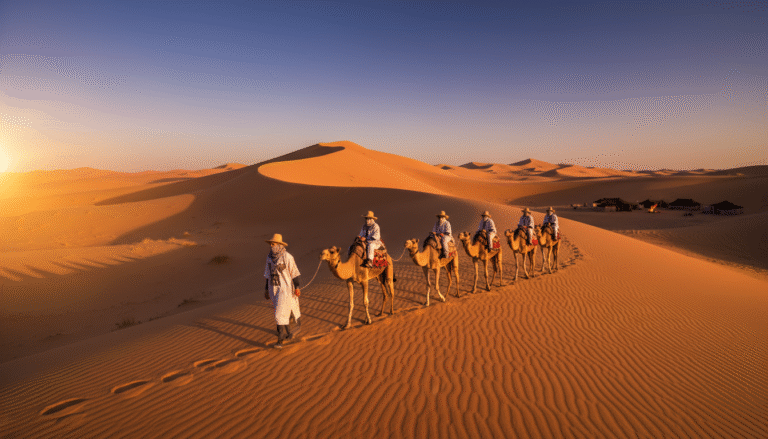
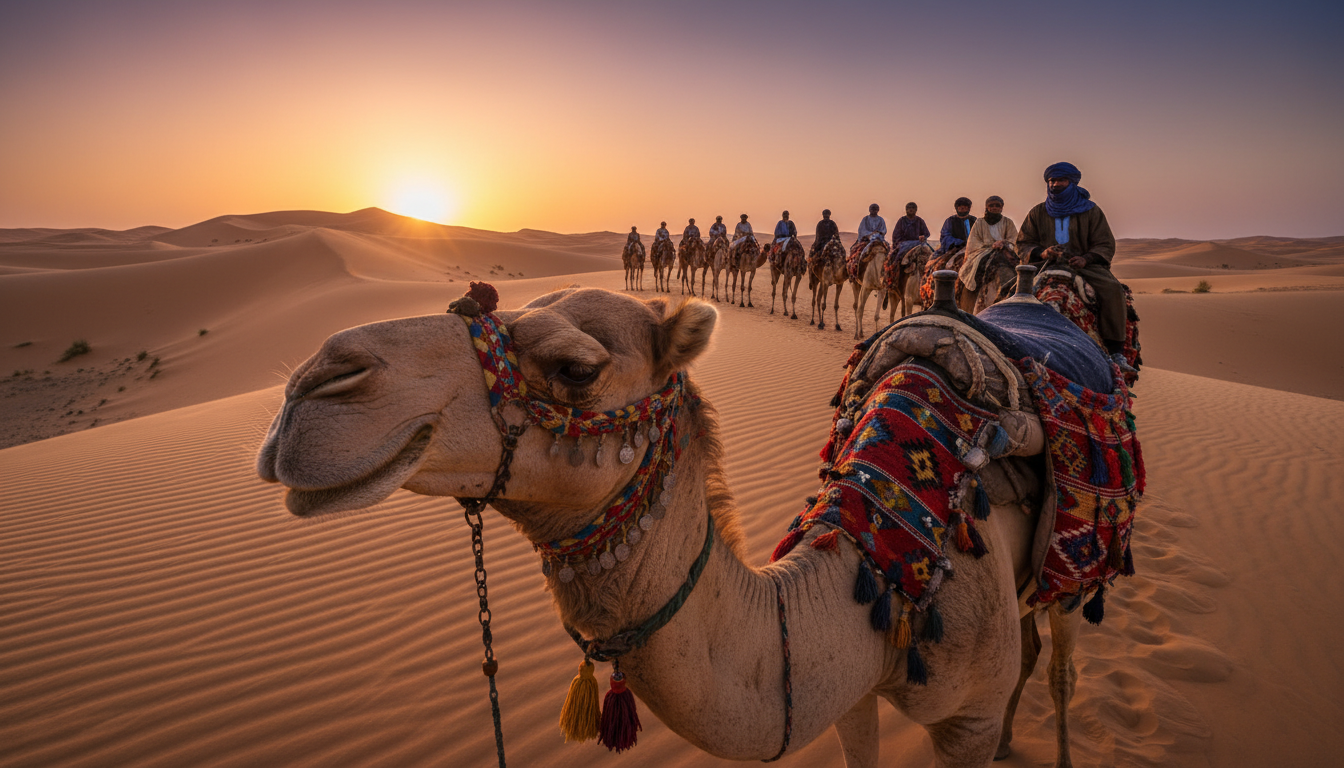
The autumn landscape is peaceful. The sun sets over the dunes, creating a golden glow.
| Season | Months | Temperature Range | Activities |
|---|---|---|---|
| Spring | March to May | 15°C to 25°C (59°F to 77°F) | Camel treks, camping, hiking |
| Autumn | September to November | 20°C to 30°C (68°F to 86°F) | Camel treks, camping, desert exploration |
Summer in the Sahara: Pros and Cons
https://www.youtube.com/watch?v=vzJ4I-G7soE
Many people avoid the Sahara in summer because of the heat. Yet, this season offers clear skies and stunning sunsets. For those planning a Sahara trip, knowing the good and bad of summer visits is key.
Heat Challenges
The Sahara Desert is very hot in summer. It’s important for travelers to be ready for the heat.
- Stay Hydrated: Carry lots of water to avoid dehydration.
- Protective Gear: Use sunscreen, hats, and sunglasses to shield from the sun.
- Plan Your Day: Trek early morning or late evening to avoid the hottest sun.
Unique Experiences
Summer in the Sahara has its own perks. The clear skies are perfect for stargazing, and the sunsets are unforgettable.
Some special experiences include:
- Stargazing: The desert’s clear skies offer a great view of the stars.
- Breathtaking Sunsets: Seeing the sunset over the dunes is a memorable sight.
- Exploring Morocco Hiking Trails: Summer is a good time to explore Morocco’s hiking trails, showing the desert’s vastness.
Visiting the Sahara in summer needs careful planning and flexibility. By understanding the heat and enjoying the unique moments, travelers can have a fulfilling adventure in this amazing landscape.
Winter in the Sahara: What to Expect
The Sahara Desert in winter is perfect for those looking for a cooler and more peaceful trek. The air is cooler, making the dunes and rocky areas serene.
Nighttime Chill
Winter nights in the Sahara can get very cold, sometimes below freezing. You’ll need warm clothes, like insulated jackets and thermal layers, to stay warm by the campfire.
Tips for Cold Nights:
- Use a high-quality sleeping bag rated for low temperatures.
- Bring hand warmers and hot water bottles to keep your extremities warm.
- Layer your clothing to maintain body heat.
Daytime Exploration
Winter days in the Sahara are mild and clear, making it great for camel treks and exploring. The cooler weather also helps you hike through the dunes without getting too hot.
If you’re visiting the Atlas Mountains too, remember to follow Atlas Mountains travel tips. Be ready for changing weather and respect local Berber customs.
Key Festivals and Events to Consider
The Sahara Desert buzzes with life during cultural festivals and events. These gatherings are a chance to connect with the Berber communities and see their traditions up close.
Traditional Berber Festivals
The Sahara Desert hosts many traditional Berber festivals. The Festival of the Sahara in Douz, Tunisia, is one of them. It celebrates desert heritage with music, dance, and camel racing.
The Merzouga Festival in Morocco is another key event. It showcases traditional Berber music and dance. Visitors can also join workshops and camel treks to explore the desert.
Photography Opportunities
These festivals are perfect for photographers. They offer vibrant colors, traditional outfits, and lively performances. Taking photos here can capture the Sahara’s rich cultural heritage beautifully.
For those who love hiking, the Imilchil Wedding Festival in September is a must-see. It’s a celebration of Berber culture with traditional weddings and festivities. It draws visitors from all over.
| Festival | Location | Date |
|---|---|---|
| Festival of the Sahara | Douz, Tunisia | December |
| Merzouga Festival | Merzouga, Morocco | February |
| Imilchil Wedding Festival | Imilchil, Morocco | September |
Essential Packing Tips for Trekking
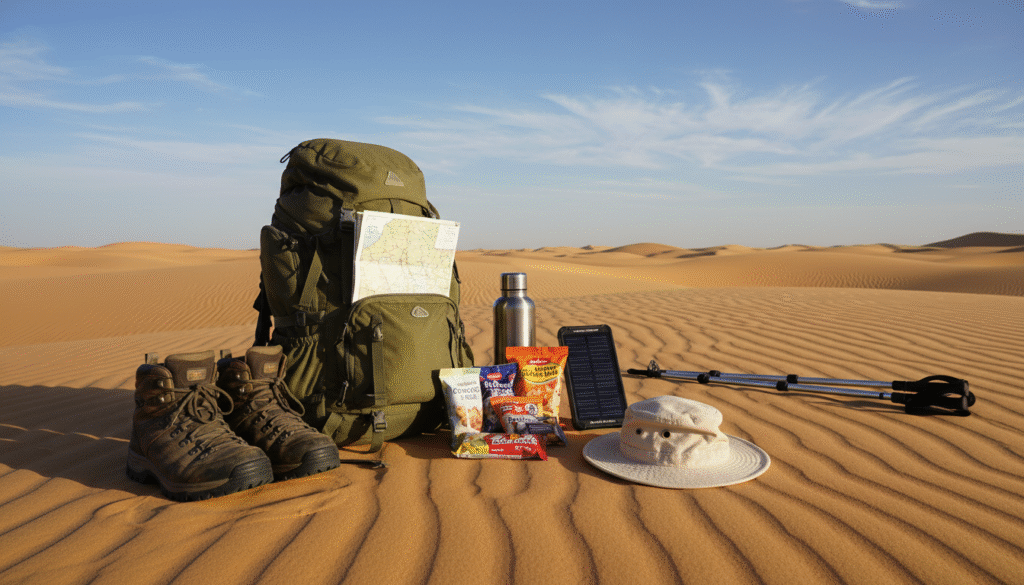
The Sahara Desert’s extreme climate needs careful packing. Knowing the weather and being ready can greatly improve your trek.
Clothing Recommendations
The Sahara’s huge temperature swings mean you need a flexible wardrobe. Lightweight, breathable clothes are key for hot days. And warm layers are a must for cool nights.
- Moisture-wicking base layers for comfort
- Insulating layers for cold desert nights
- A breathable, wide-brimmed hat for sun protection
- Sturdy, comfortable footwear for trekking
Must-Have Gear
Other than clothes, some essential items are vital for a successful trek. Navigation tools like a compass and GPS are essential. Also, a first-aid kit is important for emergencies.
- A sturdy tent designed for desert conditions
- A sleeping bag rated for cold temperatures
- Water purification tablets or a portable filter
- A headlamp or flashlight with extra batteries
If you’re planning to hike in the Atlas Mountains, knowing the Atlas Mountains weather for hiking is key. This knowledge helps you prepare for weather and ensures a safer, more fun hike.
Choosing a Tour Operator
When planning your Sahara Desert adventure, picking the right tour operator is key. The Sahara Desert is a mix of adventure and cultural learning. A good tour operator can make your experience even better.
A good tour operator keeps you safe and teaches you about local culture and geography. With many operators to choose from, it’s important to pick wisely.
Reputation and Reviews
Start by checking the tour operator’s reputation. Look for positive reviews and a history of happy customers. TripAdvisor and travel forums are great places to find out what others say.
Also, ask friends or family who have gone on similar trips for referrals. A reputable operator will have a clear booking process and will tell you what to expect.
Types of Tours Offered
Each tour operator offers different types of tours. Some focus on Atlas Mountains adventure tours, with hiking and trekking. Others might offer camel treks or camping under the stars.
| Tour Type | Description | Duration |
|---|---|---|
| Camel Trek | Explore the Sahara on camelback, camping under the stars. | 3-7 days |
| Atlas Mountains Hike | Hike through the Atlas Mountains, experiencing local Berber culture. | 4-10 days |
| Camping Adventure | Immerse yourself in the Sahara’s vast desert landscapes. | 2-5 days |
Think about what you want to do and choose an operator that fits your dream. For Atlas Mountains hiking season, make sure your tour is in spring or autumn.
Safety Considerations for Visitors
Before you head out on your Sahara adventure, it’s key to know about safety. The Sahara Desert is huge and very harsh. You need to respect it and prepare well.
Health Precautions
When you travel to the Sahara, keeping your health safe is a big deal. Dehydration is a big risk because of the hot weather and dry air. Make sure to drink lots of water and drinks with electrolytes to stay hydrated.
Also, watch out for heatstroke. It’s when your body gets too hot, you feel confused, and your skin is dry. Wearing light, loose clothes and a hat can help protect you from the sun.
| Health Risk | Precaution |
|---|---|
| Dehydration | Drink plenty of water and electrolyte-rich beverages |
| Heatstroke | Wear light, loose clothing and a hat |
Navigating Desert Terrain
Exploring the Sahara’s dunes needs experience and the right gear. It’s smart to go with a trusted guide who knows the area well. They can help if you need it.
If you’re planning to hike in places like the Atlas Mountains, knowing the best time to hike is important. Spring and autumn are usually the best times because the weather is mild.
By knowing the dangers and taking the right steps, you can have a safe and fun time in the Sahara Desert.
Cultural Experiences in the Sahara
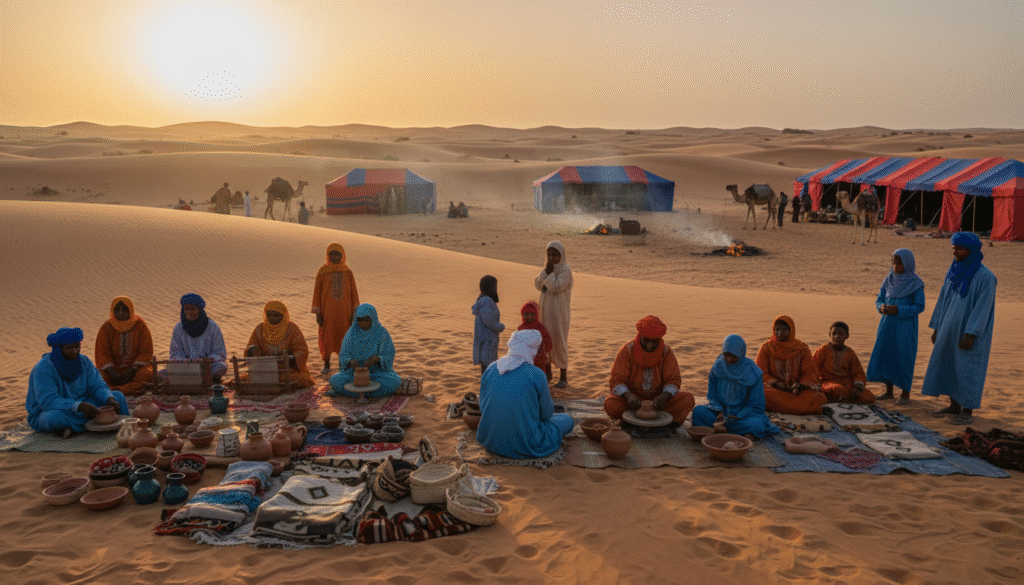
The Sahara is more than just stunning landscapes. It has a rich cultural heritage to discover. The Sahara Desert is home to many Berber communities. Each community has its own traditions and customs.
Engaging with Local Communities
One of the best Sahara experiences is meeting the locals. Many tours, like those in the Atlas Mountains trekking season, let you visit Berber villages. You can try local crafts and cooking, learning about the Sahara’s culture.
Traditional Cuisine
The Sahara’s food shows its cultural diversity. Traditional dishes use local ingredients like dates and grains. You can try tagines and couscous, often served in Berber tents.
| Local Dish | Description | Region |
|---|---|---|
| Tagine | A slow-cooked stew named after the earthenware pot in which it’s cooked. | Morocco |
| Couscous | A traditional North African dish made from crushed durum wheat semolina. | Algeria, Tunisia |
| Asseeda | A hearty soup made with meat, vegetables, and sometimes noodles. | Libya |
Tasting the local food is a key part of any Sahara trip. It gives you a flavor of the region’s history and culture.
Photography Tips for the Desert
Photography in the Sahara Desert is a journey of discovery. The play of light on sand dunes and the vibrant colors of local cultures come together. The vast desert offers endless opportunities for stunning images, from sunrise to star-filled night skies.
Best Times for Capturing Sunsets
The Sahara Desert is famous for its breathtaking sunsets. These paint the sky with orange, pink, and purple hues. To capture these moments, photographers should be in position at least 30 minutes before sunset.
Adjust your camera settings and composition during this time. The soft, golden light enhances the textures of the sand dunes, making for dramatic photographs. For those hiking in Morocco or exploring its trails, the sunset is a special moment to capture the landscape.
Wildlife Photography Opportunities
Despite its harsh conditions, the Sahara is home to various wildlife. This includes the fennec fox, dorcas gazelle, and birds. Wildlife photography in the desert requires patience and understanding of the animals’ habitats and behaviors.
Photographers should be prepared to spend time waiting for the right shot. Use telephoto lenses to capture animals without disturbing them. The Morocco hiking trails often lead to areas where these animals can be spotted, providing unique photography opportunities.
By understanding the best times for photography and being prepared for desert challenges, photographers can capture the Sahara’s essence. Whether trekking through dunes or exploring local culture, the Sahara offers a wealth of photography opportunities. These are sure to result in breathtaking images.
Planning Your Trip: Itineraries
Planning a Sahara Desert trip needs careful thought, mainly about the best itinerary. Whether you want a calm break or an exciting trip, the Sahara has it all.
Think about what you want to do, how far you’re willing to go, and when you’re going. The Sahara offers many experiences, like camel rides, camping, and learning about local culture and history.
One Week in the Sahara
A week in the Sahara is great for seeing its vast beauty. You can see different landscapes, like sand dunes and oases, and dive into the Berber culture.
Here’s a sample week-long plan for the Sahara:
| Day | Location | Activities |
|---|---|---|
| 1 | Marrakech | Explore the city, visit souks |
| 2-3 | Merzouga Dunes | Camel trek, camping, watch sunrise |
| 4 | Erg Chebbi | Explore Erg Chebbi, sandboarding |
| 5-6 | Atlas Mountains | Hike using Atlas Mountains travel tips, visit Berber villages |
| 7 | Return to Marrakech | Relax, explore more of Marrakech |
Weekend Getaway Options
Even a short trip to the Sahara can be unforgettable. You can go on a quick camel ride, explore the Atlas Mountains, or just enjoy the desert’s peace.
Some top hiking routes in the Atlas Mountains include:
- The Toubkal Circuit, with stunning views of peaks.
- The Imlil Valley hike, through beautiful Berber villages.
Planning well is key for a great Sahara Desert trip. Choose the right itinerary and prepare, and you’ll have a trip to remember.
Conclusion: Your Sahara Adventure Awaits!
The Sahara Desert is a unique and unforgettable place to explore. Knowing the best times to visit and how to prepare is key. This ensures your trip is both fun and memorable.
Travelers from Germany might also want to visit the Atlas Mountains. The weather there is mild in spring and autumn. This makes these seasons perfect for hiking and seeing the area’s beauty.
Whether you love the desert’s beauty, its culture, or the adventure, the Sahara is ready for you. You can also check out Atlas Mountains adventure tours. These tours offer hiking, cultural experiences, and stunning views, making for a great trip.