First Trip to Morocco? Best Months for First-Time Visitors
Are you ready to explore Morocco’s vibrant culture, stunning landscapes, and warm welcome? But, you’re not sure when is the best time to go?
Planning a trip to Morocco is exciting, with its rich heritage. You can wander the lively streets of Marrakech, relax on Essaouira’s beaches, or trek the Atlas Mountains. There’s something for every traveler.
In this article, we’ll show you the best months for your Morocco trip. We aim to make your journey unforgettable. Whether you want to dive into culture, unwind, or seek adventure, we’ve got the advice you need.
Why Timing Matters for Your Morocco Adventure
Morocco changes with the seasons, making when you go very important. You can see the Sahara Desert and the Atlas Mountains, each with its own charm. The experience you have depends on when you visit.
The cultural calendar is packed with festivals and events. Visiting during the Mawazine Festival in Rabat or the Marrakech International Film Festival can be unforgettable.
Cultural Experiences Awaiting at Different Times
Morocco’s culture is lively and varied. Each season brings something special.
- The Eid al-Fitr celebrations marking the end of Ramadan are a significant cultural event.
- The Marrakech Popular Arts Festival showcases local music, dance, and crafts.
- Visiting during the Mawazine Festival can be an exhilarating experience with its mix of local and international music.
Climate Considerations for Your Travel Plans
Morocco’s weather varies greatly from one place to another. It’s key to think about the weather when planning your trip.
- The coastal regions tend to have milder climates compared to the inland areas.
- The Atlas Mountains can be quite cold in winter, making for a unique adventure.
- The Sahara Desert is best visited during the cooler months to avoid the extreme heat.
Understanding these factors helps you plan your trip to Morocco. This way, you can make the most of your time in this beautiful country.
Peak Tourist Season: When to Expect Crowds
When Morocco’s peak tourist season arrives, the excitement is palpable. Festivals and events fill the air, drawing in visitors from far and wide. This time is lively, but it also means more people in the places you want to see.
Key Festivals and Events in Peak Season
Morocco’s peak season is a time of cultural and musical splendor. It’s when the country’s rich heritage is on full display. Here are some of the top festivals:
- The Marrakech Popular Arts Festival, celebrating Moroccan culture through music, dance, and art.
- The Essaouira Gnawa Music Festival, with its traditional Gnawa music and international acts.
- The Fez Festival of World Sacred Music, where musicians from all over perform sacred tunes.
These festivals make Morocco’s peak season even more thrilling. They offer a glimpse into the country’s diverse culture.
Popular Destinations to Visit During This Time
During peak season, Morocco’s most famous spots buzz with life. But they’re also busier. Here are some must-see places:
| Destination | Main Attractions | Tips for Visitors |
|---|---|---|
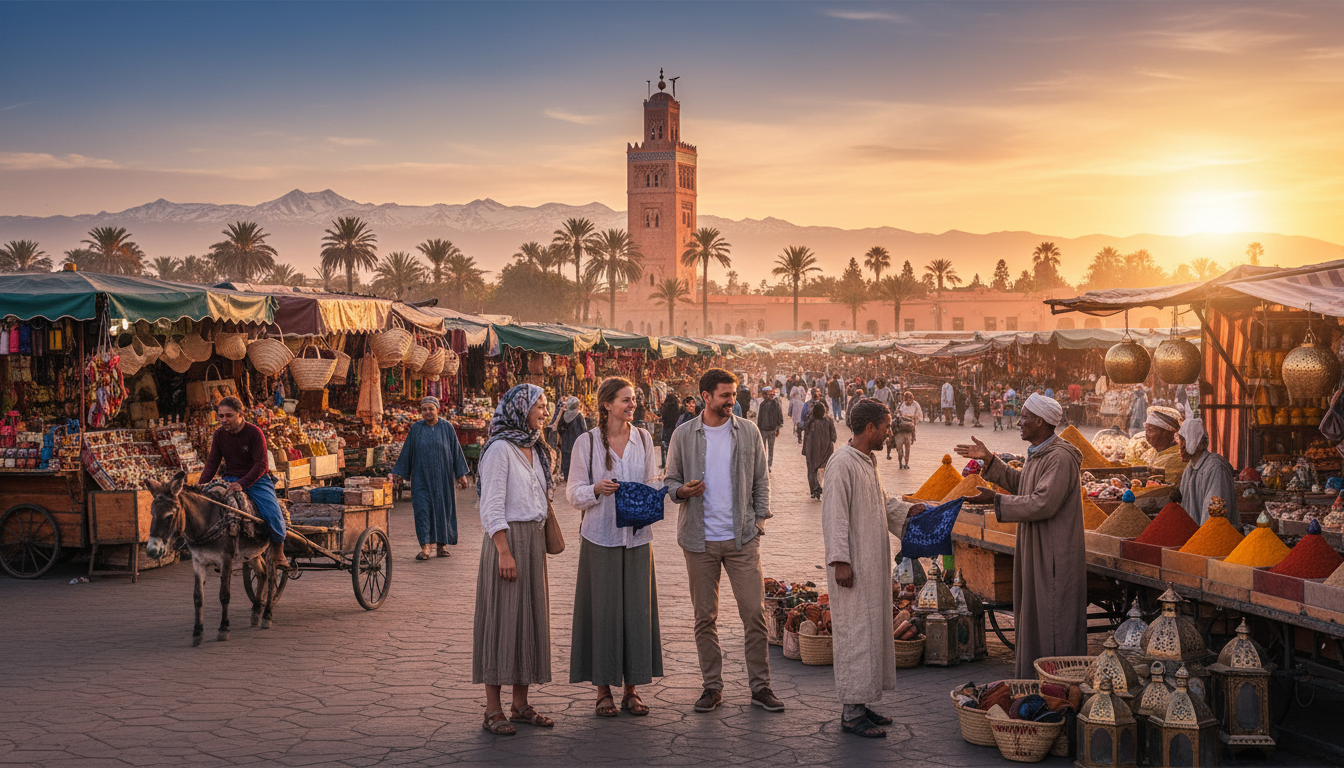
| Marrakech | Jemaa el-Fnaa, Majorelle Garden | Arrive early to avoid crowds, stay hydrated |
| Essaouira | Essaouira Medina, Gnawa Music Festival | Book accommodations in advance, enjoy local seafood |
| Fez | Fez Medina, Al-Attarine Madrasa | Explore the medina with a guide, respect local customs |
Visiting these spots during peak season can be rewarding. There’s always something happening. But, it’s key to plan and be ready for the crowds.
Off-Peak Travel: Advantages of Smaller Crowds
Morocco’s off-peak season is a great time to explore this vibrant country. It’s less crowded than peak season, so you can enjoy Morocco’s culture and history without the hassle. You won’t have to deal with long lines or crowded places.
Discovering Hidden Gems in Morocco
Off-peak travel lets you find hidden gems in Morocco. For example, Chefchaouen in the Rif Mountains is a peaceful town. It shows you traditional Moroccan life. You can wander its streets, visit markets, and see the beautiful nature around it.
The Sahara Desert is another hidden gem. Here, you can see the dunes without the crowds. Off-peak travel means you can connect more with nature and the local Berber communities.
Benefits of Traveling During the Shoulder Season
The shoulder season is April-May and September-October. It has mild weather and fewer people. This makes it great for seeing Morocco’s different landscapes, from the coast to the desert.
- Enjoy mild weather, ideal for sightseeing and outdoor activities.
- Experience the local culture through various festivals and events that take place during the shoulder season.
- Benefit from lower prices for accommodations and tourist services, making your trip more budget-friendly.
Traveling in the shoulder season also lets you connect with locals more. With fewer tourists, you can really experience Moroccan hospitality. It’s a more authentic way to see the country.
Best Months for Ideal Weather in Morocco
Planning a trip to Morocco? Knowing the weather is key. Morocco’s climate changes a lot by region and season. This means different experiences based on when you go.
Springtime Delights: March to May
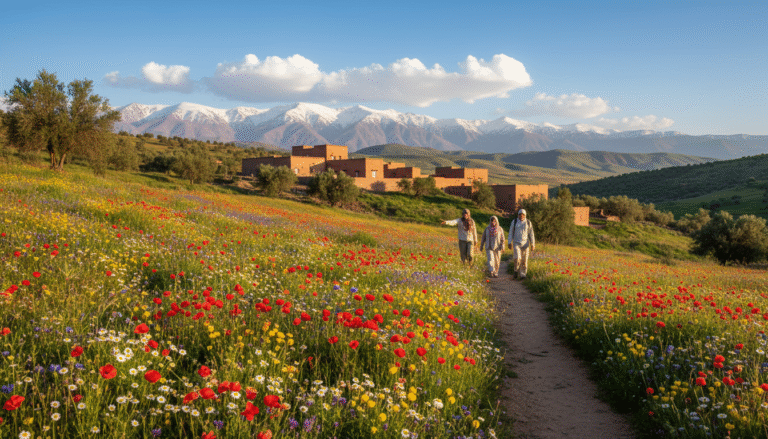
Spring in Morocco is lovely, with mild weather and beautiful landscapes. In March, temperatures range from 64°F to 75°F (18°C to 24°C). It’s great for hiking in the Atlas Mountains or exploring vibrant cities.
- Mild temperatures across the country
- Blooming almond blossoms in the Atlas Mountains
- Ideal conditions for hiking and outdoor activities
Summer Heat: June to August
Summer in Morocco is hot, with desert temperatures often over 104°F (40°C). But the coast is cooler, a nice break from the heat.
- Hot desert temperatures
- Cooler coastal regions
- Perfect time for Essaouira’s windsurfing and kitesurfing
Autumn Adventures: September to November
Autumn in Morocco is great, with nice weather and fewer people. Temperatures are between 75°F to 82°F (24°C to 28°C). It’s perfect for exploring Marrakech or taking a Sahara Desert tour.
- Comfortable temperatures
- Fewer tourists compared to peak summer months
- Harvest season in the countryside
Winter Wonders: December to February
Winters in Morocco are cool, with snow in the mountains. This is great for skiing and snowboarding. The desert is mild, avoiding the summer heat.
- Cool temperatures in the north
- Snowfall in the Atlas Mountains
- Mild desert temperatures
Unique Events to Consider for Your Visit
Morocco’s rich culture is celebrated through many festivals and celebrations. Each visit is special because of these events. They let visitors see the local culture up close.
Festivals Celebrated Throughout the Year
Morocco has many festivals all year round. The Marrakech International Film Festival is a big hit, drawing filmmakers and movie fans. The Fez Festival of World Sacred Music is another highlight, focusing on music’s spiritual side.
The Mawazine Festival in Rabat is a big deal for music, culture, and arts. It features both international and local artists. These festivals are fun and help you understand Morocco’s diverse culture.
Local Holidays to Be Aware Of
Morocco has important local holidays to know about. The Islamic New Year and Eid al-Fitr are key religious holidays. They can change how businesses and tourist spots work.
Knowing and respecting these holidays can make your trip better. For example, Eid al-Adha is a time for families to gather. It’s a chance to see traditional celebrations. Planning around these holidays helps you avoid any trouble.
By looking into these special events and holidays, you can make your Morocco trip unforgettable. Whether you love cultural festivals or religious celebrations, Morocco has something for everyone.
Regional Variations in Climate and Seasons
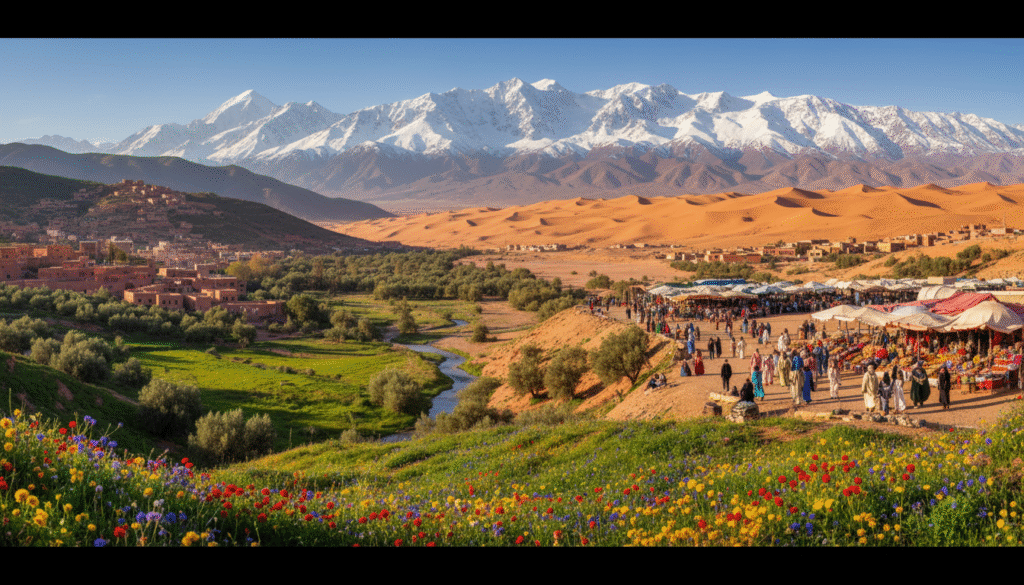
Planning a trip to Morocco? Knowing the climate variations is key. The country’s mix of coastlines, deserts, and mountains leads to different climates and seasons.
Exploring Coastal Cities vs. Desert Regions
Cities like Casablanca and Rabat have a Mediterranean climate. They enjoy mild winters and warm summers. On the other hand, places like Merzouga and Zagora face huge temperature swings. They get very hot during the day and cold at night.
Climate Comparison: Coastal Cities vs. Desert Regions
| Region | Winter Temperature | Summer Temperature |
|---|---|---|
| Coastal Cities | 50°F – 60°F | 75°F – 85°F |
| Desert Regions | 40°F – 50°F | 90°F – 100°F |
Mountainous Areas and Their Unique Weather Patterns
The Atlas Mountains have their own weather. They get cold winters with snow, perfect for winter sports. Summers are cooler, a nice break from the heat below.
Visitors to Morocco can see many weather types. From the cool coast to the desert’s extreme heat and the mountains’ snow, there’s something for everyone.
Essential Packing Tips for Different Seasons
Travelers know Morocco’s weather changes with the seasons. This affects what you should wear. Knowing the weather patterns is key for a great trip.
What to Wear in Spring and Fall
Spring (March to May) and fall (September to November) are mild in Morocco. These seasons are perfect for exploring. Lightweight clothing that covers your shoulders and knees is best for mosques and rural areas.
For spring, pack:
- Breathable cotton clothing
- Layers for cooler mornings and evenings
- Comfortable walking shoes
Summer Essentials for Comfort in the Heat
Summer in Morocco is hot, even in the desert. To stay cool, pack:
- Lightweight, light-colored clothing
- Scarves or bandanas to protect your face and neck from the sun
- Sunscreen and a hat for additional protection
Don’t forget a refillable water bottle to stay hydrated.
| Season | Recommended Clothing | Additional Essentials |
|---|---|---|
| Spring | Lightweight, breathable clothing | Layers, comfortable shoes |
| Summer | Light-colored, loose-fitting clothes | Sunscreen, hat, sunglasses |
| Fall | Similar to spring, with layers | Light jacket for cooler evenings |
| Winter | Warm clothing, including a coat | Thermal layers, warm socks |
Winter Packing List for a Moroccan Getaway
Winters in Morocco are cool, and cold in the mountains. Pack:
- Warm clothing, including a coat or jacket
- Thermal layers for colder days
- Warm socks and comfortable, closed shoes
For the mountains, bring warmer clothes, like gloves and a hat.
Planning Ahead: Booking Accommodations
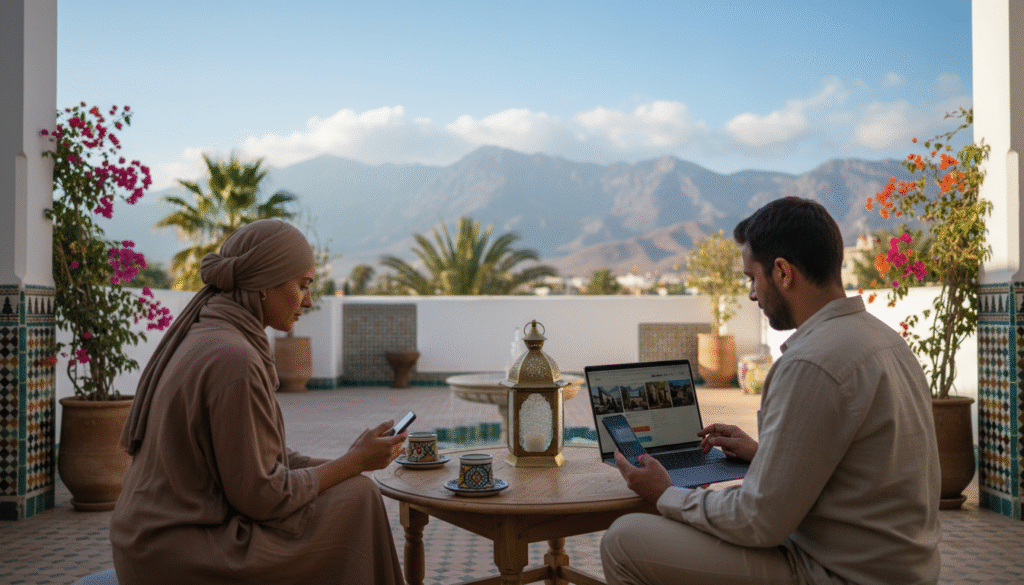
To have a great trip to Morocco, booking your stay wisely is key. You might want a fancy riad in Marrakech or a cozy hotel in Fez. Think about when and where you want to stay.
Best Times to Secure Deals on Hotels
Morocco’s hotels are busy all year, but some times are better than others for deals. The shoulder season, from April to May and September to October, is perfect. You’ll find discounts and fewer people around.
Hotels offer special deals during these months to draw in guests. You can also try to get a better price by booking directly or staying longer.
| Period | Hotel Prices | Recommendation |
|---|---|---|
| Peak Season (June-August) | High | Book in advance to secure availability |
| Shoulder Season (April-May, September-October) | Moderate | Ideal for deals and discounts |
| Off-Peak Season (November-March) | Low | Great for budget travelers, but some attractions may be closed |
Recommended Areas to Stay in Major Cities
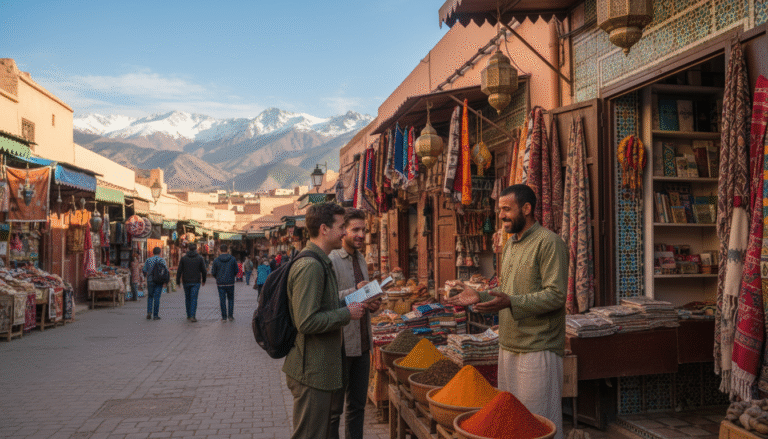
In cities like Marrakech, Fez, or Rabat, picking the right area makes a big difference. For example, staying in Marrakech’s Medina gets you close to everything. You’ll find lots of places to eat, shop, and see sights.
In Fez, the old Medina is a must-see for history and culture lovers. Rabat’s Ville Nouvelle offers a modern vibe and easy access to sights.
By thinking about when and where to stay, you’ll have a fantastic time in Morocco. Enjoy your trip!
Traveling with Family: Family-Friendly Seasons
Morocco is a great place for families, with lots to see and do. It’s important to pick a time that works for everyone, like the kids.
Activities for Kids Throughout the Year
Morocco has many fun activities for kids. In spring (March to May) and autumn (September to November), families can go hiking or hit the beach.
Summer (June to August) is perfect for water fun at resorts or local festivals. Winters (December to February) are great for desert adventures, like camel rides under the stars.
Best Months for Family Vacations
The best time for families to visit Morocco is spring and autumn. The weather is nice, making it great for outdoor fun and exploring.
| Season | Months | Family-Friendly Activities |
|---|---|---|
| Spring | March to May | Hiking, beach visits, cultural festivals |
| Summer | June to August | Water activities, local festivals |
| Autumn | September to November | Outdoor adventures, historical site visits |
| Winter | December to February | Desert adventures, camel rides |
Choosing the right season makes sure your Moroccan vacation is fun and memorable for everyone.
Conclusion: Making the Most of Your First Trip
Getting ready for your first trip to Morocco? Knowing the best times to visit and how to plan your trip is key. Think about the weather, cultural events, and what each region has to offer. This way, you’ll have a trip to remember.
Practical Tips for First-Time Visitors
Morocco is full of amazing experiences for first-timers. Make sure to pack right for the season. Whether you’re in Marrakech’s lively souks or Essaouira’s beaches, being ready will make your trip better.
Tailoring Your Trip to Morocco
Planning your trip around your travel dates can really change your experience. In peak season, expect crowds but enjoy the festivals. Shoulder season offers a calm pace and cheaper prices.
With careful planning, you’re set for a great adventure in Morocco. Whether you love cities or nature, Morocco has something for everyone.