Food Safety & GI Issues in Morocco
Did you know millions of people get sick from foodborne diseases every year? A lot of these cases come from eating contaminated or not handled right Moroccan cuisine. When you try the rich flavors of Morocco, knowing about food safety and GI issues is important.
Knowing about food safety regulations in Morocco helps you enjoy traditional dishes safely. We’ll cover why food safety matters, common illnesses, and Morocco’s food safety rules.
Introduction to Food Safety in Morocco
Exploring Morocco’s rich food scene is exciting. But, knowing about food safety is key for a good dining experience. Moroccan dishes are famous for their bold flavors, mixing spices, meats, and veggies. Yet, the safety of what you eat is just as vital as its taste.
Importance of Food Safety
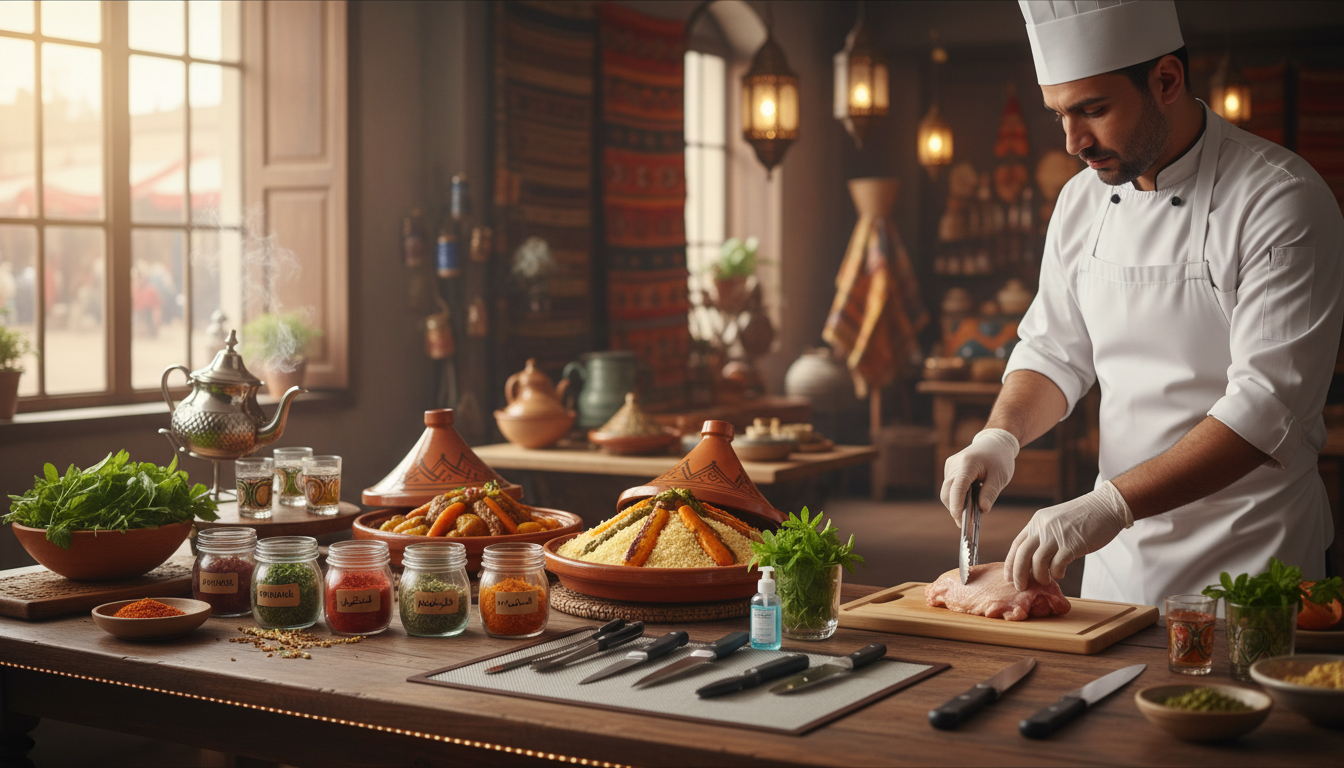
Food safety is more than just avoiding sickness. It’s about making sure food is handled, stored, and cooked right to avoid contamination. In Morocco, laws are in place to keep food safe. But, it’s up to you to know these rules and take steps to stay safe while eating.
Key aspects of food safety include:
- Proper handling and storage of food
- Avoiding cross-contamination
- Maintaining appropriate temperatures for cooking and storing food
Overview of Current Standards
Morocco has set rules to keep food safe everywhere. These rules cover how food is handled, prepared, and stored. Knowing these standards helps you choose where and what to eat wisely.
| Aspect | Description | Regulatory Body |
|---|---|---|
| Food Handling | Guidelines for safe handling of food to prevent contamination | Ministry of Health |
| Food Preparation | Standards for safe preparation of food, including cooking temperatures | Ministry of Agriculture |
| Food Storage | Regulations for proper storage of food to prevent spoilage | Ministry of Agriculture |
By knowing these standards and taking precautions, you can enjoy Morocco’s delicious food safely. This way, you can savor the flavors without worrying about getting sick.
Common Foodborne Illnesses in Morocco
Traveling to Morocco or enjoying its food can lead to getting sick. This is because of harmful bacteria, viruses, and parasites. Knowing these risks helps you stay healthy.
Bacterial Contaminants
Bacteria like Salmonella and E. coli are big problems in Morocco. They can make you very sick. These bugs can cause serious stomach problems.
To stay safe, follow good food handling rules. Make sure your food is cooked well. Don’t eat raw meat or veggies that might be dirty.
Viral Infections
Viruses like Norovirus can also make you sick. They spread through bad food or water or from someone who’s sick.
Keep yourself clean to avoid viruses. Wash your hands a lot, before you eat or cook.
Parasitic Threats
Parasites like Giardia and Cryptosporidium can also harm you. They can make you very sick if you eat them.
Drink safe water and don’t eat unpeeled fruits or veggies. They might be dirty.
Knowing these risks and taking steps to avoid them lets you enjoy Moroccan food safely.
Regulatory Framework Governing Food Safety
Food safety is a big deal in Morocco. They have a strong set of rules to keep everyone safe. This is key for Moroccan cuisine, known for its amazing flavors and variety of ingredients.
Key Organizations Involved
Several important groups help enforce food safety regulations in Morocco. These include:
- The Ministry of Agriculture, Maritime Fishing, Rural Development, and Water and Forests
- The Ministry of Health
- The National Office for Food Safety (ONSSA)
Together, they make sure food safety standards are followed everywhere.
Laws and Regulations
Morocco has laws and rules for food safety. These include:
- Law No. 28-07 on food safety, which outlines the general principles and requirements for food safety
- Regulations on food labeling, packaging, and hygiene practices
These laws aim to keep consumers safe and ensure Moroccan cuisine is safe to eat.
Recent Updates and Changes
In recent years, Morocco has updated its food safety rules. They’ve made these changes to address new concerns and meet international standards. The updates include tighter controls on food imports and exports, and better inspection methods. The goal is to reduce Moroccan cuisine and health concerns by ensuring all food products are safe.
Knowing about Morocco’s food safety rules helps consumers make better choices. It lets them enjoy the rich culinary heritage of Morocco with confidence.
Challenges Facing Food Safety in Morocco
Morocco faces big challenges in keeping food safe. It’s a tough job that needs everyone’s help. We must work together to solve it.
Infrastructure Limitations
One big problem is the lack of modern facilities. Many places in Morocco don’t have the right places for food handling, storage, and transport. This can cause food to get contaminated or spoiled.
Improving infrastructure is key. We need to invest in better storage, transport, and food handling facilities. They should meet international standards.
Supply Chain Issues
Dealing with the food supply chain is hard. Morocco imports and exports a lot of food. It’s tough to make sure everything is safe.
To fix this, Morocco should focus on its supply chain. We need better tracking systems. Everyone involved in food, from farmers to distributors, must follow strict safety rules.
Public Awareness and Education
Teaching people about food safety is important. Many in Morocco don’t know the dangers of bad food handling. We need to educate them.
Also, training food handlers is essential. They should learn about hygiene and safety. This includes how to handle traditional Moroccan dishes safely.
By tackling these problems and following Moroccan food handling guidelines, Morocco can improve food safety. This will help keep people healthy and protect their stomachs.
Impact of Climate on Food Safety
Morocco’s climate varies greatly, affecting food safety. Knowing how climate impacts food safety helps you choose safer food.
Seasonal Variations
Morocco’s climate ranges from Mediterranean to desert. These changes affect food safety. For example, hot summers increase bacteria in perishable foods.
To stay safe, handle and store food right. Keep perishables cold and eat them before they go bad.
Effects on Agriculture
Climate change changes farming in Morocco. It affects crop yields and quality. Weather extremes can contaminate crops with harmful pathogens.
Farmers need to use sustainable methods. This includes using safe irrigation and crop rotation to keep soil healthy.
Food Storage Practices
Storing food safely is key, given Morocco’s varied climate. In hot weather, store food in cool, dry places to avoid spoilage.
Here are some tips for safe food storage:
- Store perishable foods in sealed containers and keep them refrigerated.
- Keep your kitchen and storage areas clean and dry.
- Regularly check expiration dates and consume foods before they expire.
| Climate Condition | Impact on Food Safety | Prevention Measures |
|---|---|---|
| High Temperatures | Increased risk of bacterial growth | Proper refrigeration, consume before expiry |
| Excessive Rainfall | Contamination of crops | Sustainable farming practices, crop rotation |
| Dry Conditions | Increased risk of contamination during storage | Store food in airtight containers, keep dry |
Understanding climate’s impact on food safety helps reduce illness risks in Morocco. By adopting the right practices, you can make food choices that are safer.
Traditional Moroccan Cuisine: A Double-Edged Sword
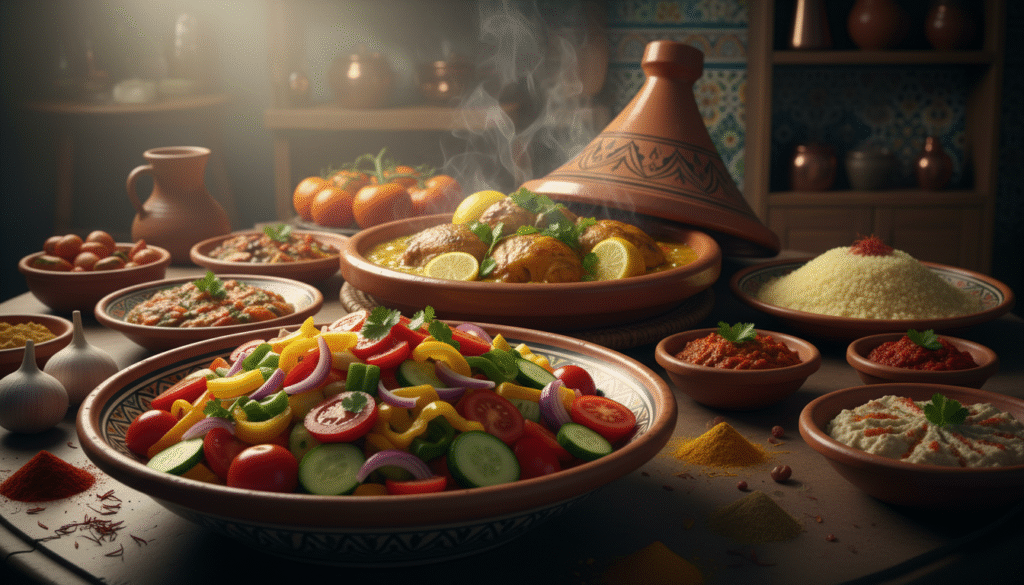
Did you know Moroccan cuisine has both health benefits and risks? It’s known for its rich flavors and nutrients. But, like any food, it has its own set of risks. We’ll look at the good and the bad of traditional Moroccan dishes.
Nutritional Benefits
Traditional Moroccan food is full of nutrients. It uses fresh ingredients, vegetables, and whole grains. Dishes like tagines and couscous are not just tasty but also full of vitamins and minerals.
Many Moroccan dishes are made with healthy ingredients. Olive oil, fresh herbs, and vegetables add to the diet’s healthiness. Whole grains like couscous and barley provide fiber and complex carbs.
Potential Risks
Despite its health benefits, Moroccan cuisine has risks. Spices and marinades can increase sodium levels. Some dishes have high saturated fats.
Some dishes, cooked in clay pots, might have contaminants. Food handling and storage can also lead to illnesses.
| Dish | Nutritional Benefits | Potential Risks |
|---|---|---|
| Tagine | Rich in vegetables and lean proteins | High sodium content due to spices and marinades |
| Couscous | Good source of complex carbohydrates and fiber | May be overcooked, leading to a loss of nutrients |
| Harira | High in protein and fiber | Can be high in salt and potentially lead to high blood pressure |
Knowing the good and bad of Moroccan cuisine helps you make better choices. Enjoying a tagine or couscous can be healthy if you know what’s in it and how it’s made.
Gastrointestinal Issues Related to Food Safety
Keeping food safe is key to avoiding stomach problems, like those found in Moroccan dishes. Stomach issues can come from bad food or how it’s handled.
Common Symptoms and Causes
Food safety problems can show up as diarrhea, stomach pain, or vomiting. These signs often come from bad bacteria, viruses, or parasites in food.
- Bacterial contaminants: Salmonella, E. coli, and Campylobacter are common bacteria that can cause gastrointestinal issues.
- Viral infections: Norovirus and Rotavirus can lead to severe gastrointestinal symptoms.
- Parasitic threats: Parasites like Giardia and Cryptosporidium can cause prolonged gastrointestinal problems.
Vulnerable Populations
Some groups face a higher risk of stomach problems from bad food. These include:
- Children, due to their developing immune systems
- Older adults, who may have weakened immune systems
- People with chronic illnesses, such as diabetes or HIV/AIDS
- Pregnant women, who are more susceptible to foodborne illnesses
Treatment and Prevention
To avoid stomach problems from bad food, follow good food handling and hygiene. Here’s how:
- Handle food safely: Make sure food is stored, cooked, and reheated right.
- Maintain hygiene: Wash hands often, before eating or cooking.
- Avoid cross-contamination: Keep raw and cooked foods apart to stop bacteria spread.
- Stay informed: Know about food recalls and safety notices in your area.
By sticking to these tips and being aware of risks, you can lower your chance of getting stomach problems from bad food.
Role of the Government in Enhancing Food Safety
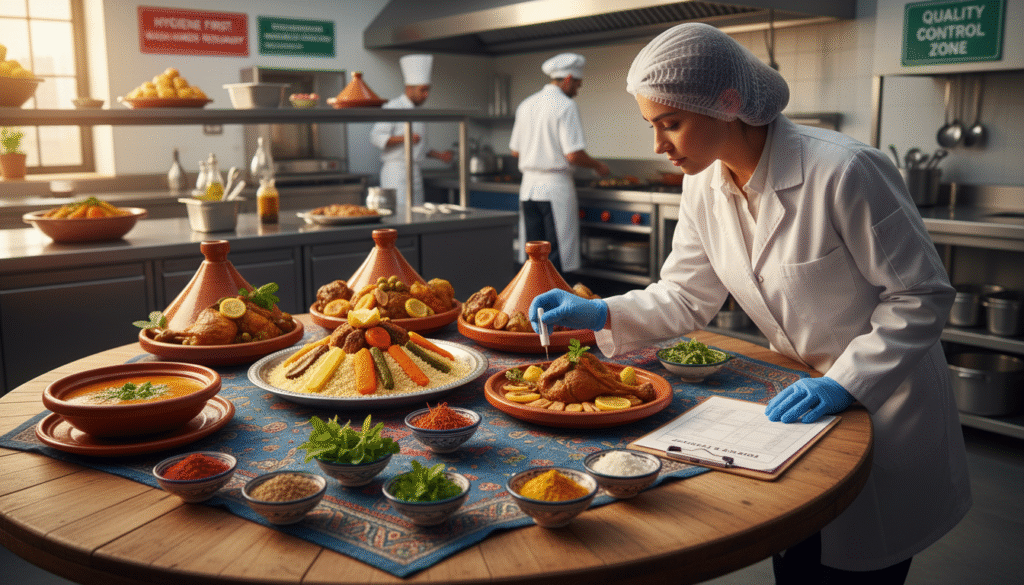
The Moroccan government has launched a big plan to improve food safety. This shows their commitment to keeping people healthy and safe food. It’s all about making sure the food we eat is good for us.
Policy Initiatives
The government has brought in new rules to make food safer. They have made food handling and preparation stricter. They also check food places more often and teach food handlers how to do things right.
Key Policy Highlights:
- Enhanced inspection protocols for food establishments
- Stricter regulations on food handling and preparation
- Training programs for food handlers
Funding and Support Programs
The government has put a lot of money into food safety. This money goes to better facilities, testing, and research. It also helps farmers and food makers follow the new rules.
| Program | Description | Funding Allocation |
|---|---|---|
| Infrastructure Upgrade | Upgrading facilities to meet new food safety standards | $1 million |
| Laboratory Testing Enhancement | Improving testing capabilities for foodborne pathogens | $500,000 |
| Research and Development | Supporting research into new food safety technologies | $750,000 |
Collaboration with International Bodies
Morocco works with global groups to get better at food safety. They team up with the World Health Organization (WHO) and the Food and Agriculture Organization (FAO). This helps them follow international food safety rules.
By teaming up, Morocco wants to make its food safety better. This makes sure food in Morocco is safe for everyone. It also helps Morocco’s reputation as a reliable food source.
Innovations in Food Safety Practices
Morocco is leading the way in food safety, using new tech and rules to stop food illnesses. These steps are making food safer and teaching people about safety in handling food.
Technological Advancements
New tech is key in Morocco’s food safety efforts. Blockchain technology helps track food from start to finish. This makes it easier to spot and fix any safety issues fast.
Smart refrigeration systems also play a big role. They keep food at the right temperature, cutting down on spoilage and contamination risks.
Success Stories
There are many success stories in Morocco. For example, a big food company started a food safety program. They did regular checks and trained their staff. This move greatly cut down on food illnesses linked to their products.
| Innovation | Impact | Benefit |
|---|---|---|
| Blockchain Technology | Improved supply chain transparency | Enhanced food safety |
| Smart Refrigeration Systems | Optimal storage conditions | Reduced spoilage and contamination |
| Food Safety Management Systems | Regular audits and employee training | Reduced incidence of foodborne illnesses |
Future Directions
Morocco is set to keep improving food safety with new tech like artificial intelligence and Internet of Things (IoT) devices. These tools will help monitor and manage food safety risks better.
There’s also a push for public-private partnerships to boost food safety efforts. Working with global groups and using the best practices worldwide will help Morocco keep raising its food safety standards.
Public Health Campaigns and Education
Public health campaigns and education are key in Morocco for food safety. They help make our food environment safer and healthier. By understanding their importance, you can help too.
Community Outreach Programs
Community outreach programs teach people about food safety. They include workshops, seminars, and handing out info materials. For example, the Moroccan Ministry of Health has started programs to teach about traditional Moroccan dishes and how to cook them safely.
You can join or start community outreach programs in your area. This way, you can help spread the word about food safety. It’s important for our gastrointestinal health concerns.
Educational Resources Available
There are many educational resources for food safety. You can find online guides, brochures, and videos. They teach you how to handle food safely every day.
- Online courses on food safety
- Printed materials such as brochures and posters
- Workshops and training sessions
Engaging Local Communities
It’s important to engage local communities in food safety. By working with local leaders and members, we can share messages better. This can be done through local events, social media, and teaming up with local businesses.
Together, we can build a culture of food safety in Morocco. This will help lower risks of gastrointestinal health concerns. And it will make our environment healthier for everyone.
Conclusion: The Path Forward for Food Safety and GI Issues
Keeping food safe and avoiding stomach problems in Morocco is a big challenge. It needs work from everyone involved. Moroccan food, though delicious and varied, can sometimes be risky. This is because of how food is handled and the rules in place.
Sustained Efforts for a Safer Food Environment
It’s important to keep working on making food safer. This job is for the government, food makers, and people eating food. Together, we can lower the risk of getting sick from food.
Actionable Steps for Stakeholders
People like policymakers, food makers, and those eating food need to take steps to make food safer. They should follow food safety rules, use the best ways to handle food, and tell others why food safety is key. This helps with stomach problems.
A Vision for Improved Food Safety
Working together and staying focused on food safety can really help Morocco. It will make people healthier and make eating out better. You’ll be able to enjoy Moroccan food without worry.