
How Women Can Avoid Harassment
Knowing how to protect yourself is key in today’s world. You might wonder if you’re doing enough to stay safe every day.
Being safe isn’t just about knowing what’s around you. It’s also about being ready and taking action. Learning good strategies can help lower your risk of harassment or danger.
Understanding women empowerment and using practical safety tips can change your life. This article will show you how women can avoid harassment and how to improve your safety and well-being.
Understanding Harassment and Its Forms
Learning about harassment is key to stopping it. We need to know its different types and where it happens. It’s a big problem that affects many people, making it important for gender equality and safety for all.
Definition of Harassment
Harassment is unwanted behavior that makes someone feel scared, belittled, or offended. It can be words, actions, or physical contact. Knowing this helps us spot and stop harassment.
Types of Harassment
There are many kinds of harassment, like sexual harassment, bullying, and cyberbullying. Sexual harassment is unwanted sexual actions or requests. Bullying is repeated behavior meant to scare or shame someone. Cyberbullying happens online, through social media or email, and includes threats or hate speech.
Social Context of Harassment
The setting where harassment happens matters a lot. Things like culture, work environments, and social media can help or hurt. For example, places with strict harassment rules and respect for everyone are safer. But, online, people might feel brave to be mean because they’re anonymous.
Knowing about harassment helps us stay safe and respect others. This knowledge helps us create a safer world, where everyone is treated with respect and dignity.
Recognizing Warning Signs of Possible Harassment
Knowing the signs of harassment is key to staying safe. Being alert and aware of your area can lower harassment risks. We’ll look at the main signs that might mean trouble.
Behavioral Red Flags
Some behaviors can hint at a harasser. Watch for persistent and unwanted attention, intrusive questioning, or unwanted physical contact. Be wary of people who cross personal boundaries or act too controlling.
- Unwanted or inappropriate comments
- Staring or leering
- Following or stalking
Environmental Cues
Your surroundings also matter for safety. Places that are poorly lit, isolated, or crowded might be risky. Knowing your area and avoiding danger spots helps keep you safe.
| Environmental Factor | Risk Level | Precaution |
|---|---|---|
| Poor Lighting | High | Avoid walking alone at night |
| Isolated Areas | High | Stay in well-populated areas |
| Crowded Spaces | Moderate | Be aware of your belongings |
Trusting Your Instincts
Your gut feelings are very important in spotting harassment. If you feel uneasy or something doesn’t feel right, trust your instincts. This might mean leaving the situation or getting help from someone you trust.
By watching for behavioral signs, knowing your environment, and trusting your gut, you can greatly improve your safety. Stay alert and take steps to keep yourself and others safe.
Empowering Yourself with Knowledge: how women can avoid harassment ?
Knowing your rights and the laws that protect you is key to women’s rights advocacy and women empowerment. Empowered women can better spot and handle harassment.
Understanding Your Rights
You have the right to work, study, and live without harassment. Learn about the laws in your area that guard you from harassment. This includes sexual harassment, bullying, and cyberbullying.
- Know the definition of harassment under the law.
- Understand the procedures for reporting harassment.
- Familiarize yourself with the possible penalties for harassers.
Local Laws and Resources
Local laws and resources are vital for harassment victims. It’s essential to know where to turn for help.
- Find local groups that offer support and counseling for harassment victims.
- Learn about the legal aid services in your area.
- Know how to reach emergency services if you’re being harassed.
The Importance of Education
Education is a strong weapon against harassment. By learning and teaching others, you help build a culture of respect and understanding.
- Join workshops or training sessions on women’s rights advocacy.
- Share your knowledge to promote empowerment.
- Support programs that aim to stop harassment.
By educating yourself, you become a stronger voice for yourself and others. This helps make our community safer and more respectful.
Setting Personal Boundaries
Setting personal boundaries is a powerful way to protect yourself from harassment. By setting clear limits, you tell others what you expect. This keeps you safe and well.
Knowing your comfort zone and speaking up is key. It stops harassment and boosts your confidence.
Communicating Boundaries Clearly
To share your boundaries well, be direct and strong. Use “I” statements to share your feelings without blame. Saying “I feel uncomfortable when…” sets a clear boundary without conflict.
Here are tips for clear communication:
- Be specific about what you are and aren’t comfortable with.
- Use a firm but polite tone.
- Maintain eye contact to show you’re serious.
Assertiveness Training
Assertiveness training helps you set and keep boundaries. It teaches you to speak up confidently. This stops harassers and strengthens relationships.
Key parts of assertiveness training include:
| Skill | Description | Benefit |
|---|---|---|
| Using a strong tone | Speaking clearly and firmly | Conveys confidence and seriousness |
| Setting clear expectations | Defining what you are and aren’t comfortable with | Prevents misunderstandings |
| Maintaining assertive body language | Using positive non-verbal cues like eye contact | Reinforces your message |
Techniques for Saying No
Saying no is key to keeping your boundaries. It’s about refusing requests clearly and respectfully. It’s not just a simple “no.”
Here are ways to say no effectively:
- Be direct: Avoid beating around the bush.
- Use a polite but firm tone: Show respect while being clear.
- Offer an explanation (optional): Providing a reason can help, but it’s not always necessary.
Mastering these techniques and practicing assertiveness strengthens your boundaries. It’s not about being confrontational. It’s about being clear and confident in your interactions.
Utilizing Technology for Safety
In today’s world, technology is a big help in keeping you safe. There are many tools and resources out there. You can use them to protect yourself and stay safe.
Safety Apps and Devices
There are many safety apps and devices to help you. These include apps that let you quickly send alerts to friends and family in emergencies. There are also wearable devices that can detect falls or send distress signals. And, there are GPS tracking devices that can find you if you’re in danger.
- Safety Apps: Apps like bSafe and Life360 let you share your location with trusted contacts. They also alert them in emergencies.
- Wearable Devices: Devices like Apple Watch and Fitbit have features like fall detection and emergency SOS.
- GPS Tracking Devices: Devices like Garmin inReach let you send messages and share your location even without cell service.
Social Media Precautions
Social media is great for staying in touch, but be careful what you share. Don’t post your address, phone number, or travel plans. Make sure your privacy settings are right and limit who sees your posts and personal info.
| Social Media Tip | Description |
|---|---|
| Limit Personal Information | Avoid sharing sensitive details like your address or phone number. |
| Adjust Privacy Settings | Control who can see your posts and personal information. |
| Be Cautious with Check-ins | Avoid checking in at your home or other sensitive locations. |
Sharing Your Location
Sharing your location can be both good and bad. It’s helpful in emergencies or when meeting friends. But, it can also risk your privacy and safety. Be careful who you share your location with.
- Temporary Sharing: Many apps let you share your location temporarily. This is useful for short-term needs.
- Permanent Sharing: Be careful about sharing your location permanently. It can lead to privacy problems.
By being smart about technology and using safety tools, you can greatly improve your safety and security.
Building a Support Network
Creating a strong support network can greatly improve your safety and well-being. A good support system offers emotional support and helps you deal with harassment. It gives you the tools you need to face challenges.
Trusted Friends and Allies
Finding trusted friends and allies is key to your support network. These people get your concerns and support you. Identifying such allies can be easy by talking to friends, family, or coworkers who have shown empathy before.
Expanding your circle by joining groups or attending events focused on women’s rights advocacy is also helpful. This not only grows your support network but also connects you with others who face similar issues.
Joining Support Groups
Joining support groups can be life-changing. It gives you a safe place to share your story and get support. These groups, filled with people who understand you, offer a chance for mutual support and empowerment. Look for local or online groups that focus on women’s empowerment and stopping harassment.
Being part of these groups makes you feel less alone and more supported. It’s also a chance to learn from others and find new ways to handle harassment.
Professional Resources
Getting help from professionals is also important for your support network. This includes counselors, legal advisors, and others who know about harassment and women’s rights. Don’t hesitate to seek professional help when you need it.
Many organizations offer free or low-cost help for women facing harassment. Look up local resources and save their contact info for when you need it.
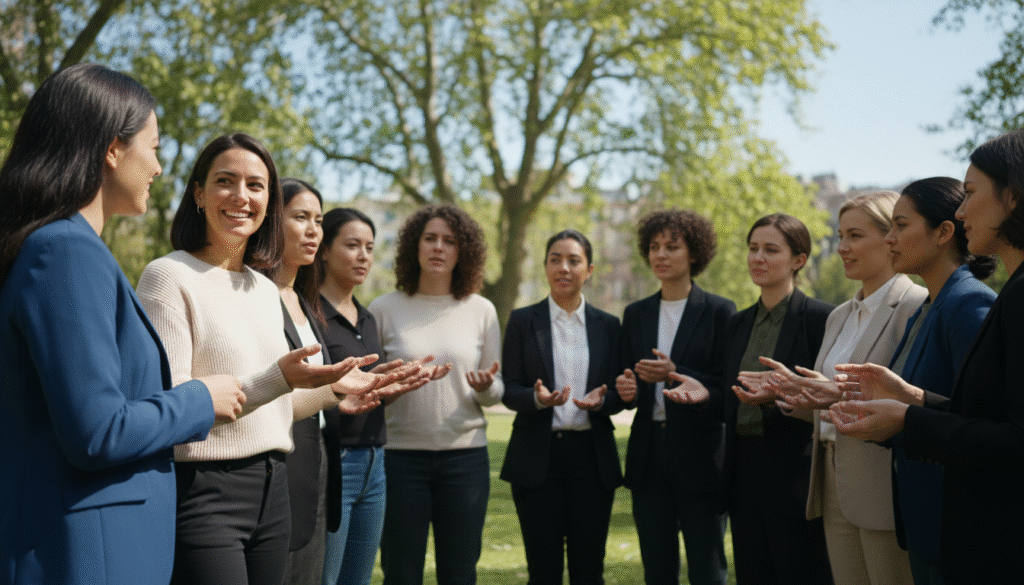
By creating a diverse and strong support network, you arm yourself with knowledge, resources, and a community to fight harassment. Remember, you’re not alone, and many people are ready to support you.
Practicing Situational Awareness
Situational awareness is your first defense against harassment. Knowing your surroundings can lower your risk of becoming a victim. It’s about understanding your environment and the people in it.
Staying Alert to Your Surroundings
To stay alert, avoid distractions like using your phone in isolated areas or walking with headphones on. Keep an eye on the people around you and notice any unusual behavior. Trust your instincts; if a situation feels off, it’s okay to remove yourself from it.
Avoiding Risky Situations
Avoiding risky situations is key to preventing harassment. Choose well-lit and populated paths when walking, even at night. Be cautious when engaging with strangers or accepting rides from people you don’t know well.
The Role of Body Language
Your body language can also deter harassers. Maintain confident body language by standing tall, making eye contact, and avoiding fidgeting. This shows you’re aware of your surroundings and less vulnerable.
By practicing situational awareness, you’re taking a proactive step in self-defense for women. It’s about being prepared and knowing how to react in various situations. Stay safe by staying informed and aware.
Developing Self-Defense Skills
Self-defense training is more than just learning moves. It’s about gaining confidence and being aware. Learning to defend yourself boosts your safety and empowerment.
Types of Self-Defense Classes
There are many self-defense classes out there. They meet different needs and likes. Here are some popular ones:
- Krav Maga: A practical and efficient self-defense system developed for the Israeli military.
- Brazilian Jiu-Jitsu: A martial art that focuses on ground fighting, submission holds, and joint locks.
- Cardio Kickboxing: A high-energy workout that incorporates elements of boxing and martial arts.
When picking a self-defense class, think about what you’re comfortable with and your goals. Look for classes made for women. They often teach effective moves against common attacks.
Mental Preparedness
Mental readiness is as key as physical skills. Knowing your surroundings and trusting your gut can keep you safe. Practice mindfulness and stay alert to improve your awareness.
Also, knowing how attackers think helps you avoid trouble. Self-defense classes teach you to stay calm and make fast, smart choices.
Tools and Equipment that Might Help
While you learn self-defense moves, some tools can add extra safety. Here are a few:
- Pepper spray: A non-lethal deterrent that can stop an attacker.
- Personal alarms: Loud devices that can draw attention and scare off threats.
- Smartphone apps: Apps that let you quickly alert friends, family, or authorities in an emergency.
It’s vital to know the laws about self-defense tools in your area before using them. Learn about local laws to use these tools legally and effectively.
Advocating for Safe Spaces
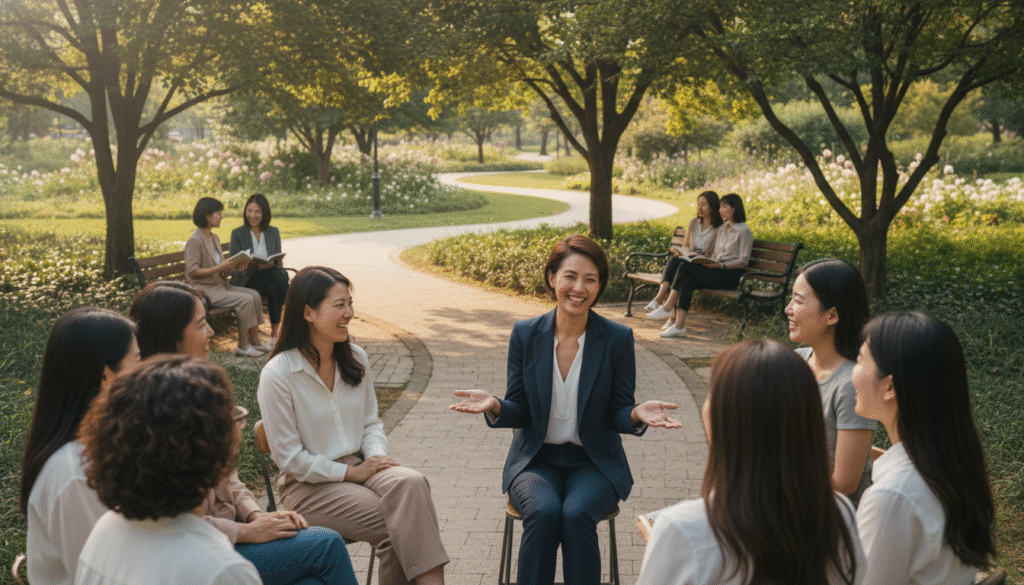
Creating a safe environment is a team effort. It needs everyone’s help, from individuals to big institutions. Together, we can stop harassment and make sure everyone feels safe and respected.
Importance of Safe Environments
Safe places are key for good interactions and relationships. They let people feel at ease and confident, without fear of harm. These spaces are vital for our well-being.
When we feel safe, we join in more with our communities. This makes our communities more lively and welcoming. So, fighting for safe spaces is important for everyone’s safety and for building strong communities.
Speaking Up About Harassment
Talking out against harassment is a big step in stopping it. It’s hard, but it’s essential for a culture that doesn’t accept such behavior. By speaking up, we help prevent more incidents and support those who have been harassed.
It’s important to do this safely and constructively. Focus on the behavior, not personal attacks. This keeps the atmosphere positive and respectful. Getting training and support can help us speak up better.
Collaborating with Institutions
Places like workplaces and schools are key in making safe spaces. They can do this by setting rules against harassment and supporting those affected. Working together, we can make strategies to prevent harassment more effective.
- Developing clear policies against harassment
- Providing training and resources for employees or students
- Ensuring there are clear and safe reporting mechanisms
By teaming up, we can make safer and more supportive places. This effort is vital for creating safe spaces for all.
Reporting Harassment Effectively
Reporting harassment is a key step in stopping it from happening again. It’s important to know how to report it when you see or experience it.
When and How to Report
Knowing when and how to report harassment is very important. It’s best to report it right away. This way, the details are clear and evidence is kept safe.
- Identify the correct reporting channel: This could be HR, a supervisor, or a designated reporting hotline.
- Gather information: Note the date, time, location, and details of the incident, including any witnesses.
- Use clear and concise language: When making your report, be straightforward about what happened.
Keeping Records of Incidents
Keeping detailed records of harassment incidents is very important. It helps support your report and any actions that follow. Save emails, messages, or any other communication related to the incident.
| Record Type | Description | Importance |
|---|---|---|
| Date and Time | Details of when the incident occurred | High |
| Location | Where the incident took place | High |
| Witnesses | Names and contact information of witnesses | Medium |
| Evidence | Any supporting evidence like messages or recordings | High |
Supporting Others Who Report
Supporting those who report harassment is key. It helps build a culture of respect and solidarity. As an ally, you can be a supportive listener and encourage others to speak up.
By understanding how to report harassment, you help prevent it. Every report helps make your community and workplace safer and more respectful for everyone.
Cultivating a Positive Mindset
Empowering women begins with a positive mindset. This mindset helps them face challenges and succeed. It’s not just being optimistic. It’s about being resilient, confident, and valuing oneself.
Building Confidence and Resilience
Confidence and resilience are key for women to tackle obstacles. There are several ways to build these:
- Practicing self-care: Taking care of your health.
- Setting achievable goals: Breaking down big goals into smaller tasks.
- Surrounding yourself with positivity: Being with supportive people.
By focusing on these, women can grow stronger and better handle tough times.
Seeking Counseling and Support
Seeking help is a sign of strength, not weakness. It gives women the tools to deal with hard situations.
- Professional counseling offers a safe space to talk and find solutions.
- Support groups provide a community that understands and supports.
These resources are key in helping women become more resilient and confident.
The Power of Community
The power of community is huge. Being part of a supportive group helps women a lot.
- Communities give a sense of belonging and connection.
- They offer chances to learn and grow together.
- Supportive communities help fight against harassment and discrimination.
By being part of their communities, women can help create a culture of respect and equality.
Continuing the Conversation
As we wrap up our talk on avoiding harassment, it’s key to keep the conversation going. You can help make a safe space by joining awareness campaigns and teaching others about stopping harassment.
Engaging in Awareness Campaigns
Get involved in local campaigns about harassment prevention strategies. These efforts can boost community awareness and build a culture of respect.
Educating Others
Spread the word about recognizing signs of harassment and setting boundaries. Teaching others helps make our community safer and more respectful.
Fostering a Culture of Respect
Work towards a culture of respect by promoting good behavior and supporting those who’ve faced harassment. Together, we can build a world where everyone feels safe and valued.