Hygiene in Morocco: Food, Water & Cleanliness
Are you planning a trip to Morocco? This country is full of culture and lively cities. But, you might be thinking: Is the food and water safe for me? Knowing about local hygiene is key for a fun and healthy trip.
Understanding a foreign country’s health practices can be tough. But, knowing what to expect helps a lot. Morocco has its own hygiene standards that visitors should know about.
In this guide, we’ll cover the basics of staying clean. We’ll talk about food safety, finding clean water, and keeping things clean. This way, you’ll be ready for your adventure.
Understanding the Importance of Hygiene in Morocco
Hygiene in Morocco is influenced by history and culture. It’s linked to the country’s rich past and Islamic customs. These customs stress the importance of purification.
Historical Context of Hygiene Practices
Morocco’s location has shaped its hygiene practices. It has been a meeting point for many cultures. Traditional hammams, or public baths, have been a key part of Moroccan hygiene for centuries. They serve as places for cleaning and socializing.
Islamic customs also play a big role in Morocco’s hygiene. The focus on cleanliness and purification in Islam has made hygiene a big part of Moroccan culture. This is seen in their daily routines, which include regular washing.
Cultural Beliefs Surrounding Cleanliness
Cleanliness in Morocco is deeply rooted in Islam and tradition. Cleanliness is seen as a spiritual act as well as a physical one. Many believe it’s key for both physical and spiritual health.
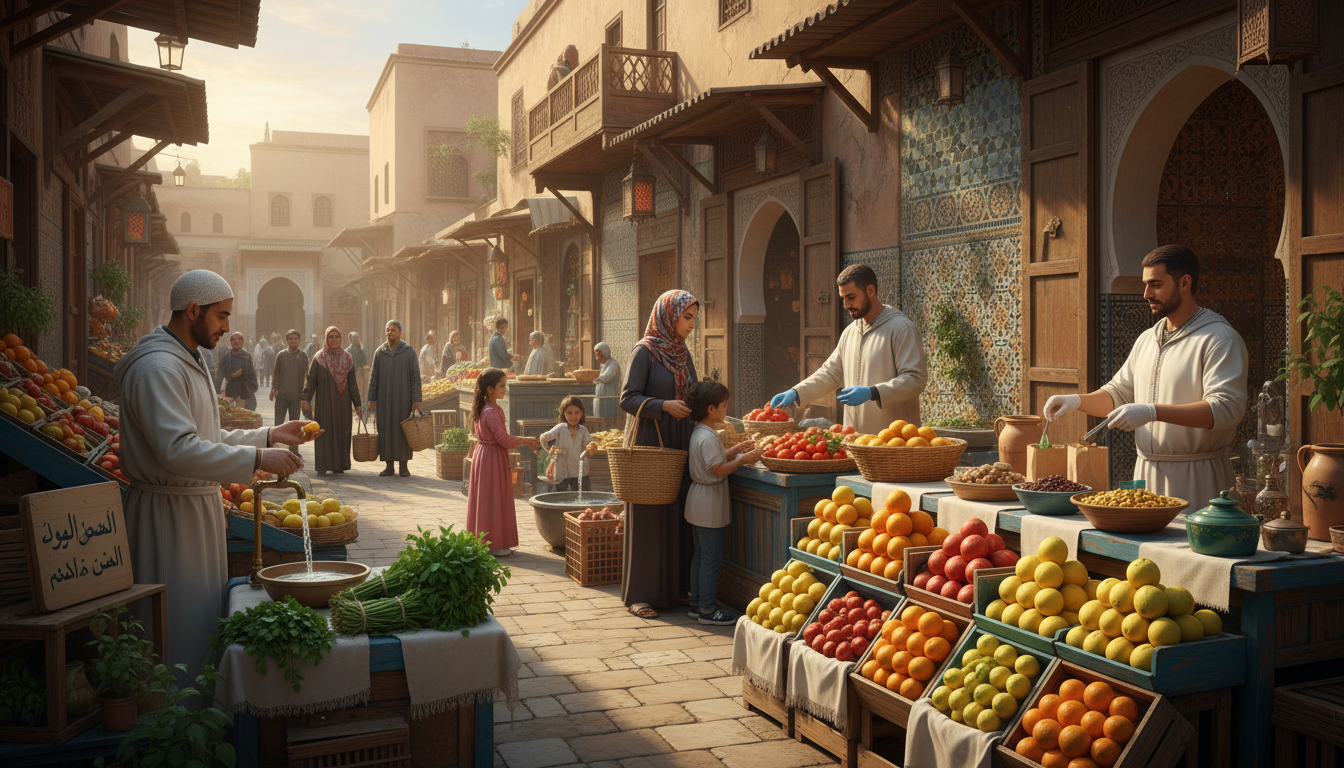
Cleanliness is also important in Morocco’s architecture and public spaces. Many cities and towns have been designed with cleanliness in mind. They have public fountains and washing facilities. This shows a culture that values hygiene and health.
Understanding Morocco’s history and culture of hygiene is important. It shows the value of hygiene education and disease prevention in the country. It also shows how cultural attitudes shape hygiene standards.
Hygiene Standards in Moroccan Restaurants
Exploring Moroccan cuisine means knowing about hygiene in local restaurants. Morocco has set up rules to keep restaurants clean, mainly in tourist spots.
The country’s food safety rules aim to protect people and make dining better. Food safety regulations in Morocco cover how food is handled, stored, and prepared. Restaurants must follow these rules to keep their customers safe and healthy.
Food Safety Regulations
Moroccan authorities have strict food safety rules. They regularly check restaurants and food places. These checks help find and fix any hygiene problems, making sure restaurants meet the standards.
Some important parts of Morocco’s food safety rules include:
- Correct food storage and handling
- Regular cleaning and sanitizing of kitchen and dining areas
- Training staff on hygiene and food safety
Popular Dishes and Their Hygiene Protocols
Moroccan food is famous for its rich tastes and variety. Dishes like tagine and couscous are made with great care for hygiene. Restaurants follow strict hygiene rules to make sure these dishes are safe to eat.
For example, making tagine involves slow-cooking meat and veggies in a clay pot. Restaurants keep things clean by:
- Using fresh ingredients and storing them right
- Keeping the cooking area clean
- Serving food at the right temperature
By sticking to these hygiene rules, Moroccan restaurants offer a safe and fun place to eat.
The Quality of Drinking Water in Morocco
Access to clean drinking water is key in Morocco, for both locals and visitors. The country has worked hard to improve its water systems. But, the water quality can change based on where you are.
In big cities like Marrakech and Rabat, the tap water is usually safe to drink. This is thanks to the country’s water treatment efforts. Yet, it’s wise to stick to bottled or filtered water to dodge waterborne illnesses. Hotels and eateries often offer bottled water, helping tourists stay hydrated.
Sources of Safe Drinking Water
There are many ways to get safe drinking water. Bottled water is easy to find in shops and markets. Also, many places use water purification systems to make sure the water is safe.
Water Purification Methods include boiling, using filters, or purification tablets. These methods can get rid of harmful stuff in the water, making it safe to drink.
Importance of Water Purification
Water purification is key to avoiding waterborne diseases like cholera, typhoid, and dysentery. These diseases can be very serious and are a risk with untreated or dirty water.
Knowing where to find safe drinking water and why purification is important helps you stay safe. Whether you drink bottled water or use a purification method, being careful with your water is vital for your health in Morocco.
Personal Hygiene Practices among Moroccans
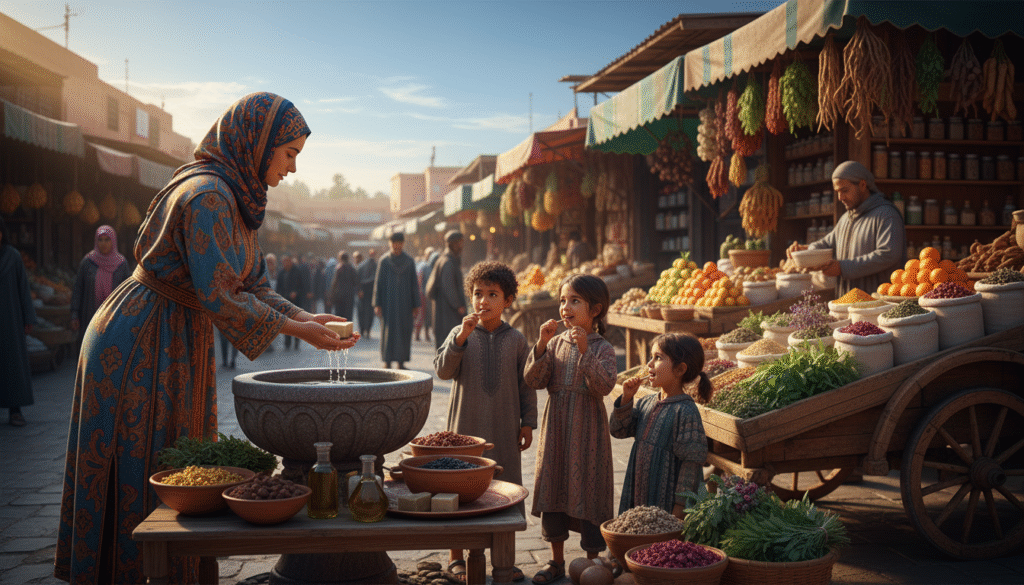
Exploring Morocco, you’ll see how personal hygiene is a big part of daily life. It’s shaped by both old traditions and new ways. Knowing about these habits can give you a deeper look into the local culture. It also helps you get along better with the people there.
Daily Routines and Customs
In Morocco, people mix old and new hygiene habits every day. Many start with a visit to the hammam (public bath). This tradition is not just for cleaning but also for socializing.
After washing up, they might use natural exfoliants and herbal scrubs. These are thought to be good for health. At the same time, they also use modern hygiene products. This shows how Morocco balances old and new ways.
Traditional vs. Modern Hygiene Practices
Morocco’s mix of old and new hygiene shows its rich culture and openness to change. Even though visiting the hammam is popular, new hygiene systems and rules have also made a big difference.
| Practice | Traditional | Modern |
|---|---|---|
| Bathing | Hammam (public baths) | Private bathrooms with modern fixtures |
| Exfoliation | Natural exfoliants and herbal scrubs | Commercial exfoliating products |
| Hygiene Products | Herbal and natural products | Modern hygiene products with advanced formulations |
By learning and respecting these hygiene habits, you can make your time in Morocco better. You’ll also build strong bonds with the people there.
Public Hygiene Facilities in Urban Areas
Urban Morocco has made big strides in public hygiene, making city trips more enjoyable. As you walk through busy streets, you’ll see many public areas are clean. This shows a strong focus on keeping things clean and sanitary.
Availability of Bathrooms and Toilets
In cities like Marrakech, Rabat, and Casablanca, public bathrooms and toilets are getting more common. They’re found in tourist spots, public transport, and shopping malls. You’ll find clean, well-stocked facilities, but it’s wise to have local money for any fees.
- Many public restrooms now have modern features like toilet paper and soap.
- Some cities have pay-to-use toilets to keep them clean and well-maintained.
- Tourist info centers often give out maps and guides to public restrooms.
Cleanliness of Public Spaces
The cleanliness of public areas in urban Morocco is improving. Parks, plazas, and other public spots are usually kept tidy. Municipal teams work hard to keep these places free of trash and mess.
Key initiatives include:
- Regular cleaning schedules for public areas.
- Waste sorting bins are installed to encourage recycling.
- Community programs to raise awareness about cleanliness.
While there’s more work to do, the progress in public hygiene is clear. As you explore Morocco’s cities, you’ll notice the efforts to create a cleaner, more welcoming environment.
Managing Waste and Pollution in Cities
Managing waste and pollution is a big challenge in urban Morocco. As cities grow, the need for good waste management gets bigger. You’ll see efforts to better waste collection and encourage community cleanliness.
Waste Collection Services
Waste collection services are key to keeping cities clean. Efficient waste collection stops trash from piling up in streets. Many cities have set waste collection times, but how well they work can vary.
In some places, new waste management tech is being used to make things better.
Community Initiatives for Cleanliness
Community efforts are vital for keeping cities clean. Local organizations and community groups run clean-up events and teach about hygiene. You can join or watch these efforts.
They not only keep places tidy but also teach the value of staying clean.
These community projects are key to helping waste collection services. They make people feel responsible for their community’s cleanliness.
Some notable community initiatives include:
- Regular clean-up events in public spaces
- Educational workshops on waste management and hygiene
- Collaboration with local businesses to reduce waste
Supporting these efforts helps keep Moroccan cities clean and healthy.
Health Education and Hygiene Awareness
Exploring Morocco’s hygiene approach reveals a detailed strategy. It includes health education and awareness. This is key to fostering a clean culture and stopping disease spread.
Programs Promoting Hygiene
Many programs aim to boost hygiene habits in Morocco. They teach the public why hygiene matters and give them tools to stay clean every day.
Key initiatives include:
- Public awareness campaigns to educate citizens about hygiene best practices
- Workshops and training sessions for community leaders
- Collaboration with local health organizations to provide resources and support
Role of Schools in Educating Youth
Schools are essential in teaching kids about hygiene. By adding hygiene lessons to the curriculum, schools shape the next generation’s view on cleanliness and health.
Some of the ways schools promote hygiene education include:
- Incorporating hygiene topics into health classes
- Organizing cleanliness drives and hygiene-related activities
- Providing students with resources and materials to practice good hygiene
By teaching youth about hygiene, Morocco is building a healthier future for its people.
Impact of Tourism on Hygiene Standards
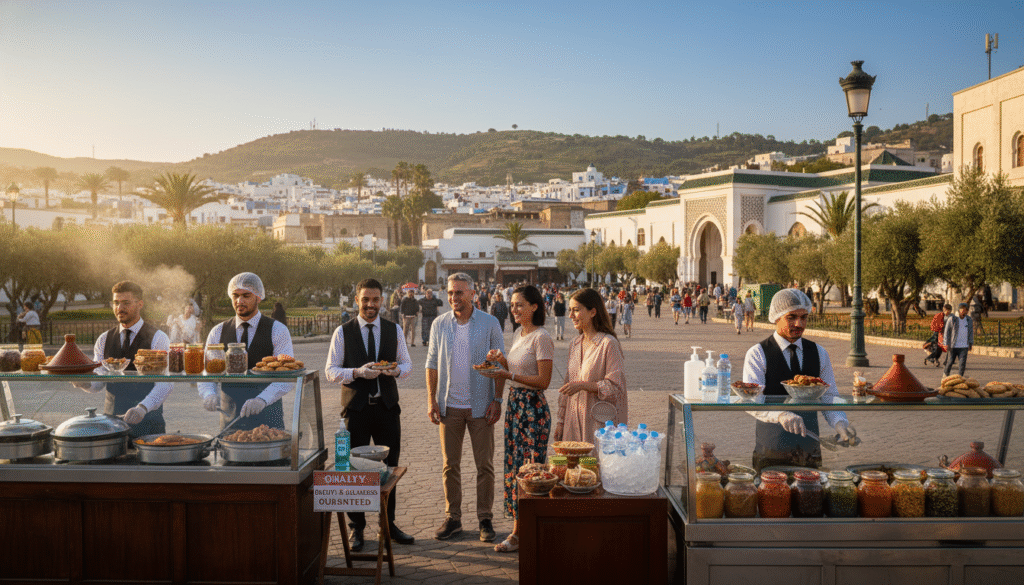
The rise in tourists in Morocco has boosted hygiene standards in busy spots. As a visitor, you help shape local cleanliness by what you expect and do.
Tourist Expectations and Local Responses
Tourists usually expect places to be clean and hygienic. To meet these needs, local businesses and authorities have worked hard. For example, eateries in tourist zones follow strict cleaning rules, knowing visitors will check their places.
Local responses to tourist expectations include:
- Enhanced cleaning schedules
- Improved waste management
- Training staff in hygiene practices
Case Studies of Popular Tourist Areas
Places like Marrakech and Fez have seen big improvements in cleanliness thanks to tourism. Here are some key facts:
| City | Pre-Tourism Hygiene Rating | Post-Tourism Hygiene Rating |
|---|---|---|
| Marrakech | 6/10 | 8.5/10 |
| Fez | 5.5/10 | 8/10 |
Both cities have made big leaps in cleanliness. This betterment isn’t just for tourists but also benefits the local community.
Understanding how tourism affects cleanliness shows the effort locals put in to welcome visitors while keeping their culture alive. As tourism keeps growing, cleanliness in Morocco will likely get even better, making it a cleaner and more fun place for visitors in the future.
Challenges to Maintaining Hygiene in Rural Areas
Rural Morocco faces unique hygiene challenges. These challenges go beyond personal habits. They involve infrastructure and cultural context too.
Access to Clean Water and Sanitation
Getting clean water and proper sanitation is hard in rural Morocco. Many rely on wells or rivers, which can be dirty. Water treatment facilities are rare, making safe drinking water hard to find.
Clean water access is key to hygiene. Without it, people are more likely to get sick. Improving water systems and infrastructure is vital for better hygiene.
| Region | Access to Clean Water (%) | Sanitation Facilities (%) |
|---|---|---|
| Rural Morocco | 60 | 40 |
| Urban Morocco | 90 | 80 |
Cultural Attitudes toward Hygiene
Cultural views shape hygiene practices in rural areas. Traditional beliefs can affect how people see and practice hygiene. You might see customs that mix with modern hygiene standards.
It’s important to understand and respect these cultural views. This way, you can see the complexity of hygiene in rural areas. It’s not just about changing habits but also fitting hygiene with cultural values.
Exploring hygiene challenges in rural Morocco shows we need a broad approach. We must improve infrastructure, teach about hygiene, and respect cultural views.
Future Directions for Enhancing Hygiene in Morocco
Morocco is working hard to solve its hygiene problems. A mix of strategies is being used to boost public health. This includes better hygiene infrastructure, education, and community projects.
Government Initiatives and Policies
The government is key in Morocco’s hygiene future. It’s making laws to manage waste better, get more clean water, and improve sanitation. These steps are essential for a cleaner place.
Role of NGOs and Community Organizations
NGOs and community groups are also playing big roles. They help with education and support local projects. Their work is making a big difference in keeping the country clean.
Seeing these efforts helps us understand the big challenge Morocco faces. The government, NGOs, and communities are all working together. Their combined efforts are vital for a healthier Morocco.