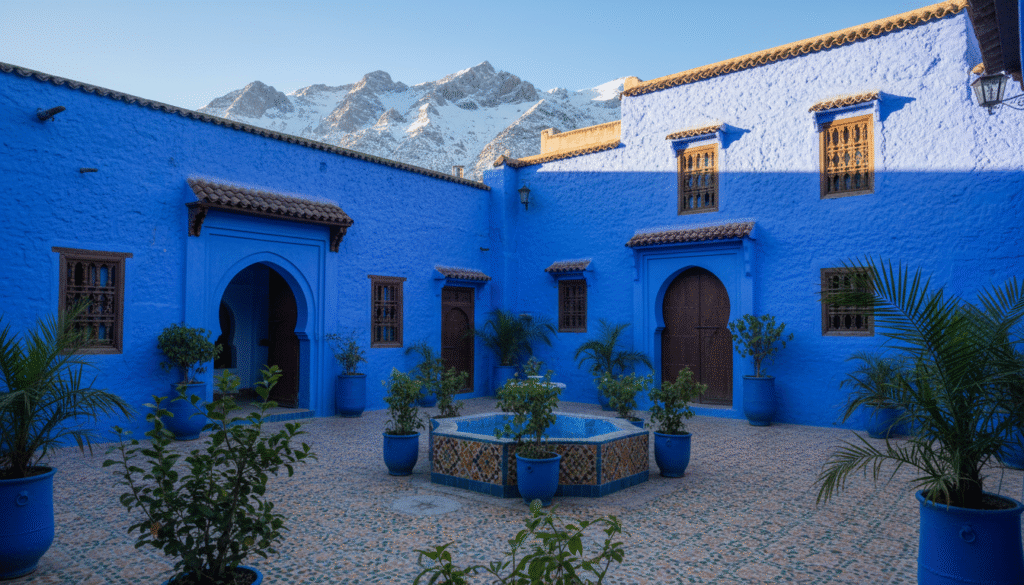
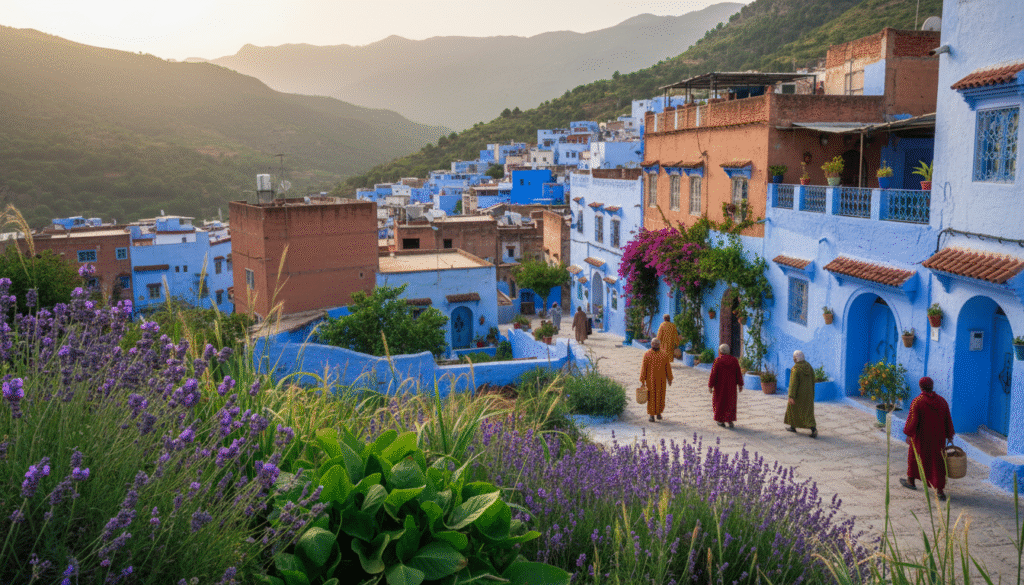
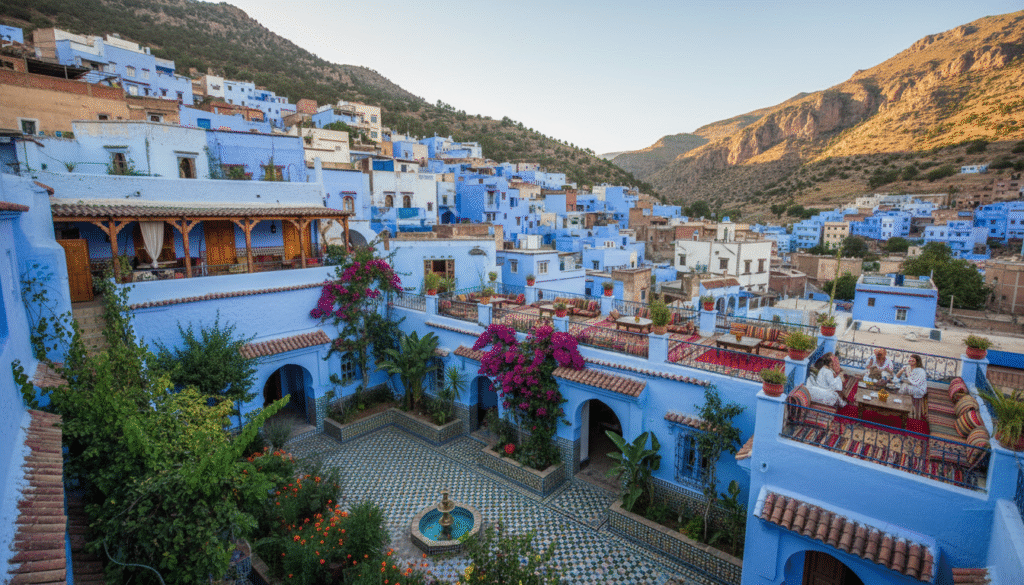
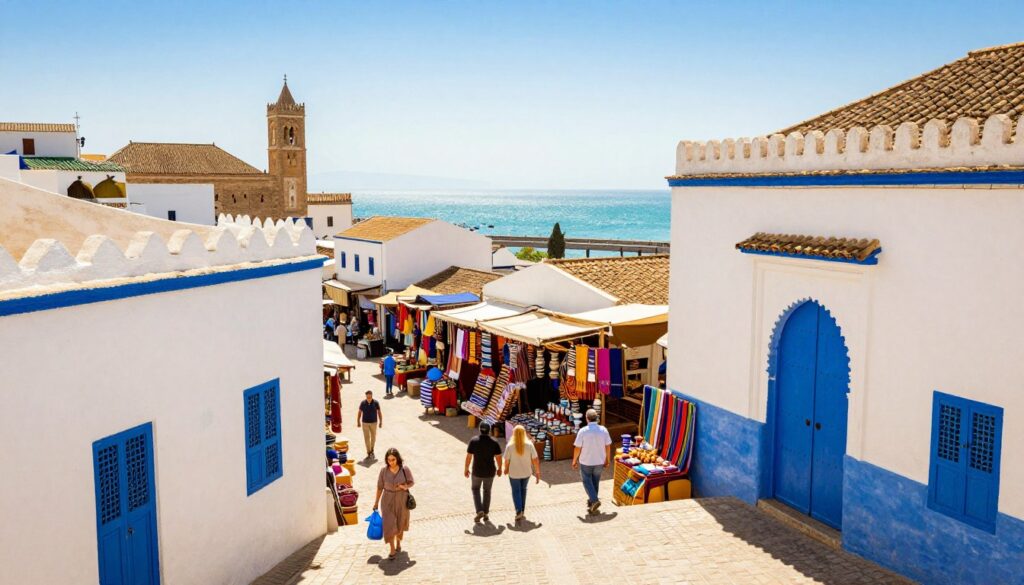
Nestled in the Rif Mountains, a hidden gem awaits your arrival. With its stunning blue-painted buildings, this charming town is a photographer’s paradise and a cultural haven.
As you wander through the narrow streets, you’ll be captivated by the unique blend of Moroccan and Mediterranean influences. Our Chefchaouen guide will help you navigate this picturesque town. You’ll explore its rich history, vibrant culture, and breathtaking natural beauty.
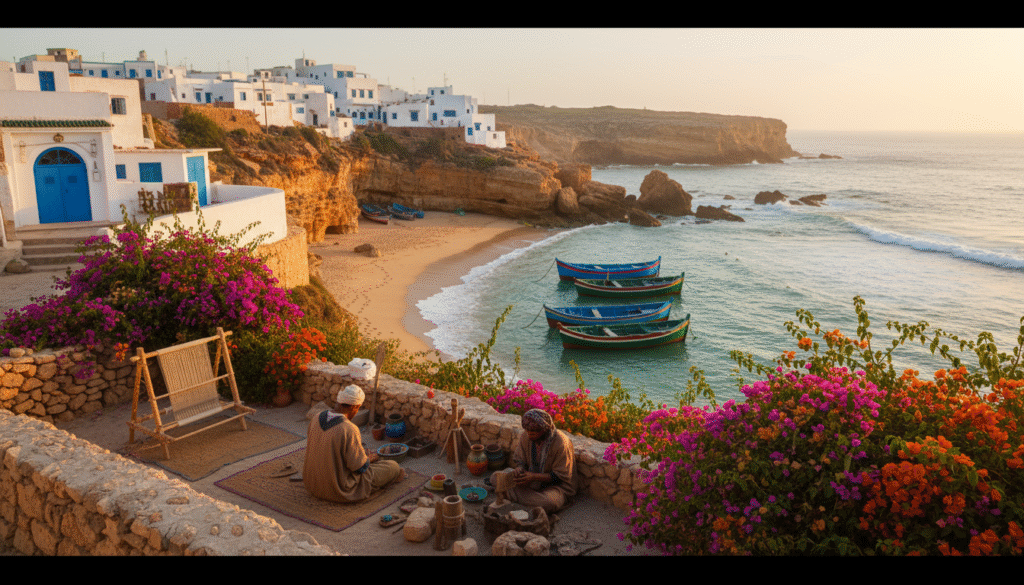
Whether you’re drawn to the allure of Essaouira’s coastal charm or the mystique of the blue city, you’ll find that this destination promises an unforgettable experience.
Why You Should Visit Chefchaouen
Discover the enchanting town of Chefchaouen, where blue-painted buildings cascade down a mountain slope. This charming town, nestled in the Rif Mountains of Morocco, is a treasure trove of experiences. From its unique architecture to its rich cultural heritage and breathtaking natural scenery, Chefchaouen is a destination that promises to captivate your senses and leave you with unforgettable memories.
Experience the Unique Blue Architecture
One of the most striking features of Chefchaouen is its blue-painted architecture. The town’s buildings, stairs, and even streets are adorned with various shades of blue. As you wander through the town’s narrow alleys, you’ll be surrounded by the calming effects of blue, making for a truly unique and Instagram-worthy experience. The blue architecture is not just aesthetically pleasing; it’s also a reflection of the town’s history and cultural influences.
Embrace the Rich Culture and History
Chefchaouen is steeped in history and culture, making it a wealth of experiences for visitors. The town’s Kasbah, with its well-preserved architecture and beautiful gardens, is a must-visit attraction. You can also explore the local museums, which provide insights into the region’s history, culture, and traditions. Engaging with the local community, you’ll find that the residents of Chefchaouen are warm and welcoming, eager to share their stories and customs with visitors.
Enjoy Outdoor Activities and Scenery
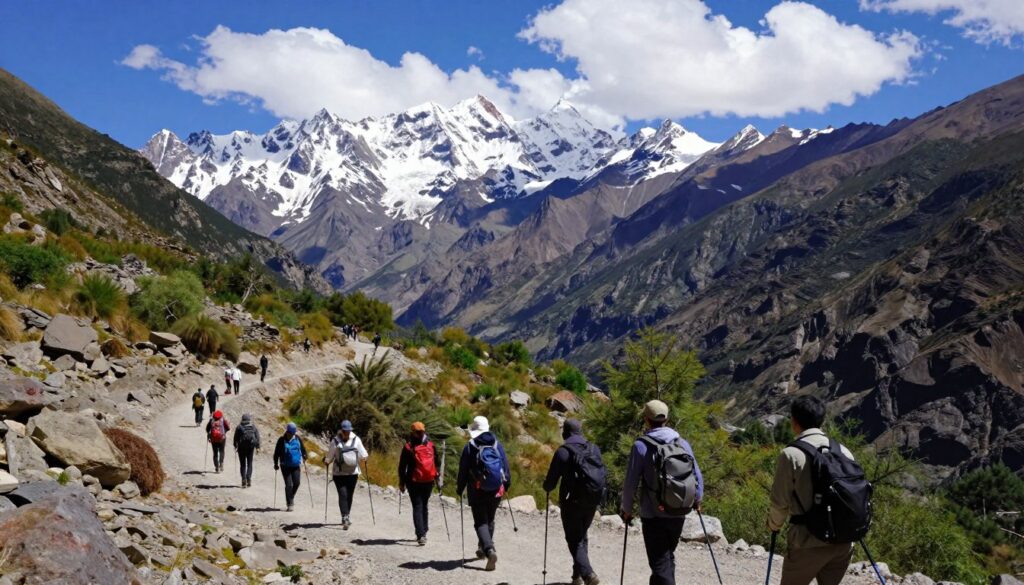
Surrounded by the majestic Rif Mountains, Chefchaouen is a paradise for outdoor enthusiasts. Hiking trails of varying difficulty offer breathtaking views of the town and the surrounding landscape. You can also explore the nearby waterfalls, caves, and villages, each providing a unique perspective on the region’s natural beauty and cultural heritage. Whether you’re an avid hiker or simply looking to enjoy the scenery, Chefchaouen has something for everyone.
Getting to Chefchaouen
Planning a trip to Chefchaouen is an exciting adventure. Getting there is easier than you think. You can fly into nearby airports or take the bus through scenic routes. Your journey to this charming town is just the beginning.
Travel Options: Flights and Buses
The most convenient way to reach Chefchaouen is by flying into Tangier Ibn Battouta Airport. It’s the closest international airport. From Tangier, you can take a bus or hire a private transfer to Chefchaouen.
Or, you can fly into Chefchaouen’s nearest airport, Cherif Al Idrissi Airport, in Al Hoceima. Though flights may be limited. Bus services like CTM and Supratours operate from major cities like Marrakech and Tangier. They offer a comfortable and relatively affordable option.
Best Routes for Scenic Views
For those who enjoy scenic views, taking the bus from Tangier or Tetouan is great. The route winds through the Rif Mountains, with breathtaking views. If you’re driving, the route from Tetouan to Chefchaouen is scenic. You’ll see picturesque villages and stunning landscapes along the way.
Take the bus from Tangier for a relaxed journey with scenic views.
Drive from Tetouan for a more adventurous route with stops at local villages.
Arrival Tips for First-time Visitors
Upon arrival, have your accommodation details handy. Some riads and hotels offer shuttle services or can provide directions. Be prepared for a short hike or a few minutes’ drive from the bus station to your final destination. Chefchaouen is a bit spread out. Don’t forget to exchange some currency. Not all places accept credit cards or foreign currency.
Tips for a smooth arrival:
Have your accommodation contact information ready.
Bring some local currency for initial expenses.
Be prepared for a short hike or drive to your final destination.
Navigating the City: A Helpful Map
Chefchaouen is small and easy to explore on foot. You can find many walking routes that show off the city’s best spots. A good map can make your visit even better.
Recommended Walking Routes
There are special walking routes in Chefchaouen. They take you through the city’s heart, showing its most beautiful parts.
The Kasbah Route goes through the historic fortress and its gardens. It gives you a peek into the city’s past.
The Blue City Tour is perfect for seeing Chefchaouen’s famous blue buildings.
The River Walk is a calm path along the river. It’s great for a relaxed walk.
Key Landmarks to Explore
Chefchaouen has many landmarks you should see. Here are a few:
The Kasbah Museum is in the historic fortress. It teaches you about the area’s history and culture.
The Grand Mosque is known for its beautiful design. It’s a key spot to visit.
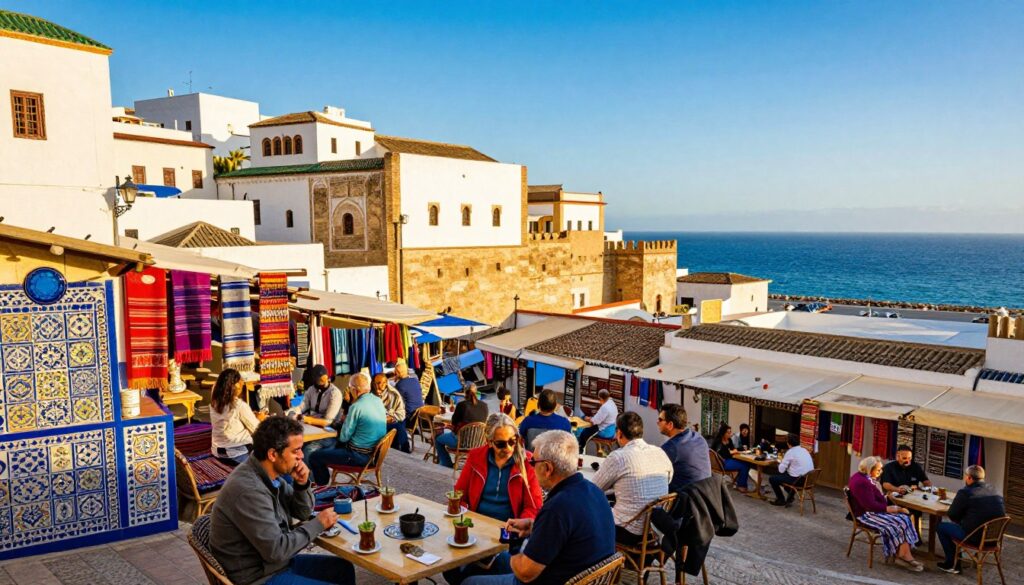
Plaza Uta el-Hammam is a lively square. It’s full of cafes and shops, perfect for watching people.
Hidden Gems Off the Beaten Path
Chefchaouen also has secret spots to find. Here are a few:
Secret Gardens are hidden in quiet spots. They offer a peaceful place to relax.
Local Artisan Workshops let you see traditional crafts being made.
Scenic Overlooks give amazing views of the mountains.
By exploring these routes and spots, you’ll see Chefchaouen’s true beauty. Whether you love history, architecture, or just enjoying the vibe, Chefchaouen has it all.
Where to Stay in Chefchaouen
Chefchaouen is a hidden gem in the Rif Mountains. It has many places to stay, from luxury to budget-friendly options. Whether you want a fancy stay or something more affordable, Chefchaouen has it all.
Luxury and Charm: Hotels and Riads
Looking for luxury? Chefchaouen’s riads and hotels mix old charm with modern comfort. They are in beautifully restored buildings, giving you a peek into the city’s history.
Top Recommendations:
Riad Dar Nour: A beautifully restored riad with a calm atmosphere and amazing views.
Hotel La Maison Bleue: A charming hotel with blue architecture, capturing Chefchaouen’s spirit.
Budget-Friendly Options
Travelers on a tight budget will find many affordable places in Chefchaouen. From hostels to budget hotels, there’s something for everyone without spending too much.
Affordable Picks:
Hostel La Casa de los Abuelos: A cozy hostel with a friendly vibe, great for meeting new people.
Hotel El Fath: A budget hotel with clean, comfy rooms.
Luxury Stays for a Special Experience
For a memorable stay, choose one of Chefchaouen’s luxury spots. These places offer great amenities and services, making your stay unforgettable.
Luxury Hotel
Amenities
Price Range
Riad La Belle Etoile
Private pool, spa services, gourmet dining
$200-$300 per night
Hotel Casa Mirador
Rooftop pool, panoramic views, personalized service
$250-$400 per night
Planning your trip? You might also want to look into Essaouira tours and Essaouira accommodations. They offer a chance to explore Morocco’s stunning coastal towns.
Dining in Chefchaouen
Dining in Chefchaouen is an adventure. The city’s food scene is a mix of traditional Moroccan flavors and new twists. It’s a true reflection of Chefchaouen’s rich culture.
Traditional Moroccan Cuisine to Try
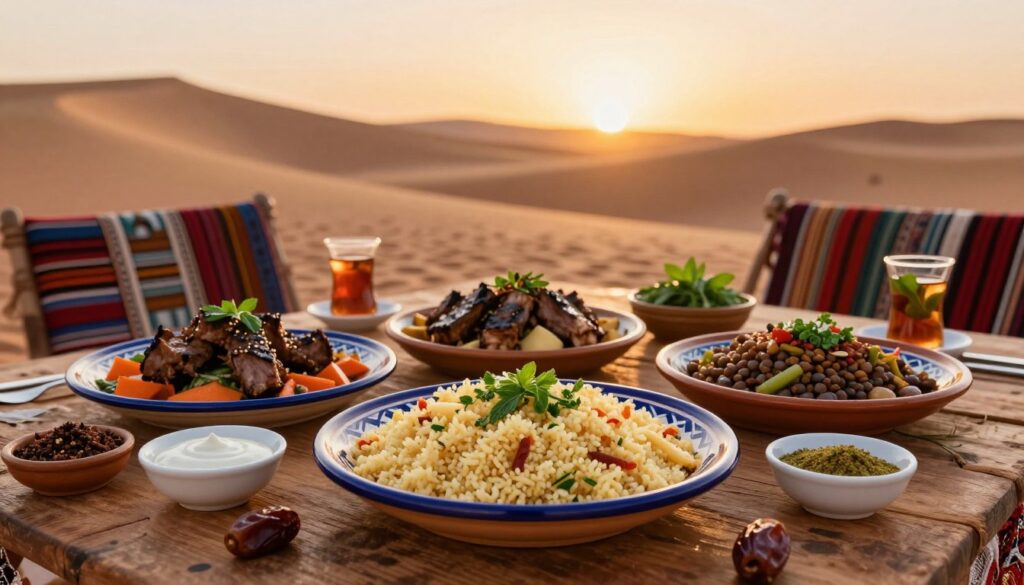
In Chefchaouen, you must try the local dishes. Tagine, a slow-cooked stew, is a must-try. Also, don’t miss couscous with vegetables and meat, and pastilla, a savory pie with layers of pastry, meat, and spices.
Tagine: A slow-cooked stew made with meat, vegetables, and dried fruits.
Couscous: A traditional North African dish made from semolina flour, often served with vegetables and meat.
Pastilla: A savory pie made with layers of flaky pastry, meat, and spices.
Top Restaurants and Cafés
Chefchaouen has many restaurants and cafés. Each offers a unique dining experience. Here are some top spots:
Restaurant La Maison: Known for its traditional Moroccan cuisine and cozy atmosphere.
Café Clock: A popular spot for breakfast and lunch, with a range of international and local dishes.
Restaurant Aladin: A family-run restaurant serving delicious tagines and other Moroccan specialties.
Local Markets for Unique Treats
Exploring Chefchaouen’s local markets is a must. The Souk (market) is perfect for trying unique treats like makroud (dates and almond pastry) and ghriba (a type of shortbread). Don’t forget to try the local honey and fresh fruits too.
Souk: The main market in Chefchaouen, with a variety of local goods and treats.
Makroud: A traditional pastry made with dates and almonds.
Ghriba: A type of shortbread often flavored with nuts or honey.
Things to Do in Chefchaouen
As you explore Chefchaouen, you’ll find a mix of history, culture, and nature. This town in the Rif Mountains has something for everyone. You can choose from a variety of activities that match your interests.
Explore the Kasbah Museum
The Kasbah Museum is a key spot in Chefchaouen. It gives you a peek into the town’s past and culture. Located in the 17th-century Kasbah, it has artifacts like traditional clothes, jewelry, and weapons. These items show the region’s history and traditions.
Wander the Blue Streets and Alleys
Walking through Chefchaouen’s blue streets is a joy. The town’s blue buildings make it look like a dream. You’ll find hidden spots, like small shops and eateries, as you wander.
Hiking in the Rif Mountains is a must for outdoor lovers. There are trails for all levels, from easy walks to tough hikes. Along the way, you’ll see amazing views of Chefchaouen and the valley below.
Activity
Location
Duration
Visit Kasbah Museum
Kasbah, Chefchaouen
1-2 hours
Wander Blue Streets
Old Medina, Chefchaouen
2-3 hours
Hike in Rif Mountains
Rif Mountains
4-6 hours
Shopping in Chefchaouen
Shopping in Chefchaouen is a unique experience. The vibrant souks and artisan shops are filled with Moroccan handicrafts and souvenirs. These items show off the local culture and skill.
Souks and Artisan Shops
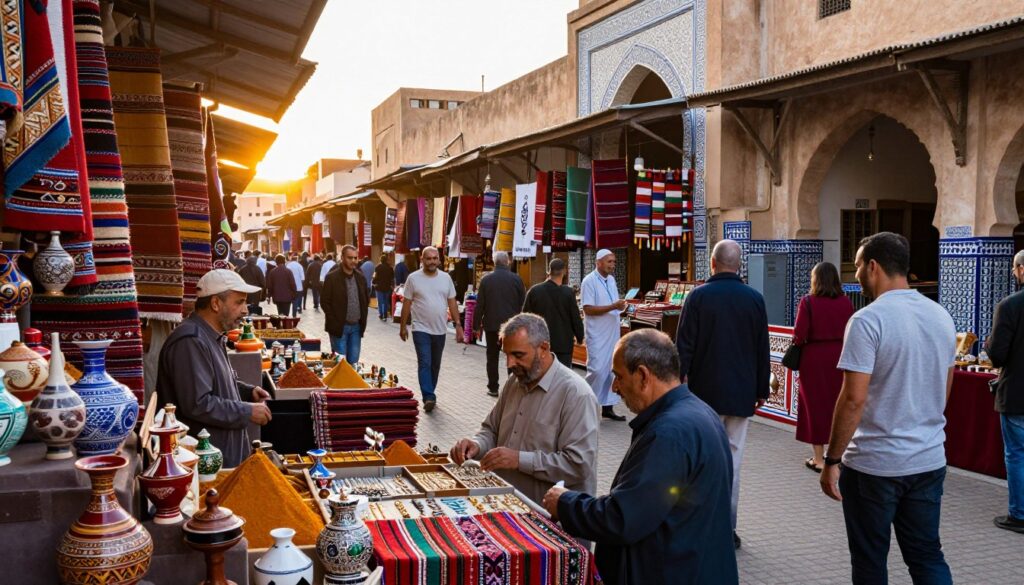
The souks in Chefchaouen are a must-see. They offer a wide range of products, from handmade jewelry to woven textiles. Look out for:
Hand-painted ceramics
Traditional Berber jewelry
Colorful woven baskets
Hand-carved wooden items
Unique Moroccan Handicrafts
Chefchaouen is famous for its unique handicrafts. These make great souvenirs or gifts. Some standout items include:
Handmade Rugs: These rugs are vibrant and detailed, showing off Moroccan craftsmanship.
Traditional Clothing: Find traditional items like djellabas and kaftans in the local markets. They are stylish and culturally important.
Local Artwork: See unique art pieces by local artists. They show the beauty and culture of Chefchaouen.
Tips for Bargaining and Buying
Bargaining is a big part of shopping in Chefchaouen. Here are some tips to help you:
Be ready to negotiate prices.
Know the market value of items you want.
Don’t hesitate to walk away if the price is too high.
Getting to know the seller can help you get a better deal.
By using these tips and exploring the markets, you can find unique souvenirs. You’ll also get to experience Chefchaouen’s rich cultural heritage.
Best Time to Visit Chefchaouen
Planning a trip to Chefchaouen means knowing the best time to go. The weather, local events, and tourist numbers all change with the seasons. This affects your experience greatly.
Seasonal Weather and Climates
Chefchaouen has a mild Mediterranean climate, making it nice all year. Spring (March to May) is mild and wildflowers bloom, perfect for outdoor adventures. Summer (June to August) is warmer, drawing more visitors, but it’s also relaxed.
Autumn (September to November) has nice weather and fewer people, ideal for a calm visit. Winter (December to February) is cooler and wetter, but you can enjoy local culture without the crowds.
Events and Festivals You Don’t Want to Miss
Chefchaouen has many events and festivals all year. The Chefchaouen International Film Festival happens in summer, drawing global visitors. Remember to check Essaouira travel tips for a beach day in Essaouira.
The Spring Festival celebrates flowers with music and food.
Ramadan brings the community together with special meals and decorations.
The Autumn Festival honors the harvest with dances and crafts.
Crowds: When to Go for Peace
To avoid crowds, visit in the shoulder season, April to May and September to October. These times have nice weather and a calm vibe. Summer is busier, with schools on break and family vacations.
Choosing the right time for your visit can make your trip to Chefchaouen more enjoyable and peaceful.
Safety Tips and Local Etiquette
Exploring Chefchaouen’s streets is fun, but knowing local customs and safety tips makes it even better. You might also want to visit Essaouira. There, you can learn about its history and take part in guided tours.
Staying Safe
Stay alert, mainly in busy spots. Always keep your valuables close and watch out for pickpockets.
Cultural Sensitivity
Dressing modestly is key in Chefchaouen. Make sure to cover your shoulders and knees. Learning a few Arabic and Berber phrases shows respect for the community.
Helpful Phrases
Learn simple greetings like “Marhaba” (hello) in Arabic and “Sawt” (hello) in Berber. It helps you connect with locals and makes your trip more meaningful.
Chefchaouen is a stunning gem in the Rif Mountains. It has blue-washed buildings and a rich culture. Walking its narrow streets, you’ll find a mix of nature and culture.
Picture walking through a town with blue-painted buildings on a mountainside. Chefchaouen, the Blue Pearl, is a secret in Morocco. It’s perfect for those looking for a unique place.
In Chefchaouen, you’ll find hidden gems like tasty food and stunning views. Prepare to fall in love with Chefchaouen, a true Moroccan treasure.
Introduction to Chefchaouen
Chefchaouen is a hidden gem in the Rif Mountains. It’s a charming town in northern Morocco. It offers a mix of cultures, history, and natural beauty.
Brief History of Chefchaouen
Chefchaouen was founded in the 15th century by Ali ibn Rashid al-Alami. It has been a refuge for Moors from Spain and Jews fleeing persecution. This diversity has shaped the town’s architecture, cuisine, and traditions.
The town’s architecture shows a blend of Andalusian, Arab, and European styles. Its blue buildings, narrow streets, and hidden squares add to its charm.
Year
Event
Significance
1471
Founding of Chefchaouen
Ali ibn Rashid al-Alami establishes the town as a refuge
16th century
Moors from Spain settle in Chefchaouen
Influence on architecture, cuisine, and culture
20th century
Tourism development
Increased accessibility and infrastructure for visitors
Why Visit Chefchaouen?
Chefchaouen is a must-see for anyone wanting to experience Morocco’s authentic charm. It offers a unique blend of cultures, rich history, and stunning natural beauty.
Here are some reasons to visit Chefchaouen:
Explore the town’s blue-painted buildings and narrow streets
Experience the local cuisine, including traditional Moroccan dishes
Visit the surrounding Rif Mountains and enjoy outdoor activities such as hiking
Immerse yourself in the local culture and traditions
In conclusion, Chefchaouen is a hidden gem that offers a unique and unforgettable experience. It’s perfect for history buffs, culture enthusiasts, and outdoor lovers alike.
Getting to Chefchaouen
Getting to Chefchaouen is simple, with many ways to travel. This authentic Moroccan coastal town draws lots of visitors. Plan your trip well to make it smooth and fun.
Best Ways to Reach the City
The closest airport is in Tangier, a big city in Morocco. From there, you can take a bus or taxi to Chefchaouen. Several bus companies offer comfortable and affordable rides.
Take a flight to Tangier Ibn Battouta Airport.
From the airport, transfer to the city center using a taxi or bus.
Board a bus or hire a private taxi to Chefchaouen.
Travel Tips for International Visitors
International visitors should plan early, mainly during busy times. Make sure you have the right travel documents, like a valid passport and any needed visas for Morocco.
Travel Documents: Check your passport’s expiration date and get a Moroccan visa if you need one.
Booking in Advance: Book your flights and places to stay early. This helps avoid high prices and sold-out spots.
Exploring the Blue Streets
Walking through Chefchaouen’s streets, you’ll find yourself in a world of peace. The blue buildings create a dreamy scene that’s both soothing and beautiful. You can get lost in the narrow alleys, finding hidden spots and experiencing the local way of life.
Iconic Blue Buildings
Chefchaouen is famous for its blue buildings. They’re not just pretty; they also hold a deep history and legend. The blue color is thought to connect the town to the sky and heavens. You’ll see different blues, from light sky tones to deep cobalt, making the town even more special.
The blue buildings are a must-see attraction, and you can spend hours admiring and taking photos.
Hidden Gems in the Medina
The medina of Chefchaouen is full of hidden treasures. You’ll find quiet plazas, traditional cafes, and shops with handmade crafts. Exploring these spots gives you a real look at the town’s culture and daily life.
Take a moment to sit in one of the secluded plazas and soak in the atmosphere; it’s an experience you won’t soon forget.
Aspect
Description
Tips for Visitors
Iconic Blue Buildings
Buildings painted in various shades of blue, creating a unique landscape.
Take your time to appreciate the different shades and angles of the blue buildings.
Hidden Gems
Secluded plazas, traditional cafes, and local shops within the medina.
Explore the narrow alleys to discover these gems; don’t hesitate to ask locals for recommendations.
Local Culture
Rich cultural heritage reflected in the architecture, food, and daily life.
Engage with locals, try traditional food, and visit during local festivals to experience the culture fully.
Local Cuisine and Dining Options
In Chefchaouen, you’ll find a mix of Moroccan and Mediterranean flavors. The city’s food reflects its rich culture and location in the Rif Mountains.
The city’s food scene focuses on fresh ingredients, spices, and traditional cooking. Walking the blue streets, you’ll find many family-run places and street food stalls. They offer a variety of tasty dishes.
Must-Try Dishes in Chefchaouen
Don’t miss out on trying local specialties in Chefchaouen. Some dishes you should try are:
Tagines: slow-cooked stews with meat, veggies, and dried fruits, cooked in clay pots.
Couscous: a North African dish from semolina flour, served with veggies, meat, and sauce.
Pastilla: a savory pie with flaky pastry, meat, onions, and spices.
Recommended Restaurants
Chefchaouen has many restaurants, from local to international. Here are some top picks:
Restaurant Name 1: serves traditional Moroccan dishes in a cozy setting.
Restaurant Name 2: offers international dishes like Italian and French.
Restaurant Name 3: a family-run place with homemade tagines and couscous.
When eating in Chefchaouen, try local drinks like fresh mint tea or Moroccan coffee. Explore the city’s food scene and enjoy the unique tastes of this Moroccan gem.
Outdoor Activities in Chefchaouen
Chefchaouen is more than its blue buildings. It’s a paradise for those who love the outdoors. Near the Rif Mountains, it offers many activities for all kinds of adventurers.
Hiking in the Rif Mountains
The Rif Mountains around Chefchaouen have many hiking trails. You can pick from easy day hikes to tough multi-day treks. These trails show off stunning views and let you see rural Morocco.
Popular spots include the peak of Jebel Lakhdar for amazing views. And the hike to Tissouka village, with its beautiful landscapes.
Exploring the Akchour Waterfalls
Visiting the Akchour Waterfalls is a must in Chefchaouen. These waterfalls are in a valley with mountains and greenery. You can hike there and have a picnic in nature.
The waterfalls are perfect for relaxing and enjoying nature. You can also check out the nearby gorges and valleys for more fun.
Whether you’re a seasoned hiker or just want a casual walk, Chefchaouen has something for you. So, grab your hiking boots and explore the natural wonders of this remote Moroccan region.
Cultural Insights
As you explore Chefchaouen’s streets, you’ll find a rich cultural heritage. This Moroccan town’s mix of Berber, Arab, and Spanish influences makes it special. It’s a place worth exploring.
Understanding Local Traditions
Chefchaouen is famous for its warm welcome. Visitors often get to share meals and activities in local homes. To truly experience the culture, respect the community’s customs and traditions.
Some key aspects of local traditions to be aware of include:
Respect for elders is deeply ingrained in the culture.
Traditional clothing is worn on special occasions.
Local cuisine brings people together.
Festivals and Events to Experience
Chefchaouen celebrates its culture with various festivals and events. The Chefchaouen Cultural Festival is a highlight. It showcases the town’s history, music, and art. Enjoy traditional performances, local food, and crafts during this lively festival.
Don’t miss the Mawazine Festival, even though it’s more famous in Rabat. Chefchaouen’s cultural events and local celebrations during religious holidays are also worth seeing.
By diving into these cultural experiences, you’ll understand Chefchaouen’s heritage better. You’ll also make unforgettable memories of your visit to this secluded Moroccan coastal getaway.
Shopping in Chefchaouen
Shopping in Chefchaouen is an exciting adventure. You’ll find hidden gems and unique treasures in the local markets and souks. The town is a shopper’s dream, with vibrant markets full of local handicrafts. You can find everything from woven textiles to handmade jewelry.
What to Buy in the Local Markets
In Chefchaouen’s markets, you’ll discover goods that show off the local culture and traditions. Some top items to look for include:
Handmade Jewelry: Unique pieces with traditional Moroccan designs and motifs.
Woven Textiles: Colorful fabrics and blankets great for souvenirs or personal use.
Local Artwork: Paintings and crafts that highlight Chefchaouen’s beauty and surroundings.
Traditional Clothing: Intricate garments that showcase Moroccan craftsmanship.
Best Souks to Explore
Chefchaouen has several souks worth visiting. Here are some of the best ones:
Souk el Jabal: Known for its variety of local goods, including handicrafts and fresh produce.
Souk el Had: A bustling market with a range of products, from clothing to home decor.
Plaza de España: A vibrant square with shops and cafes, ideal for a leisurely stroll.
When you visit these souks, be ready to haggle and enjoy the lively atmosphere. Shopping in Chefchaouen is more than just buying souvenirs. It’s a chance to connect with the local culture and community.
Accommodations in Chefchaouen
Chefchaouen offers a variety of places to stay, from affordable guesthouses to luxurious riads. You can find a cozy spot in the medina or a secluded spot with amazing views. There’s something for everyone.
Luxury and Budget Options
Chefchaouen has options for every budget. For a fancy stay, choose a riad with spas and fine dining. For a budget-friendly option, guesthouses offer a cozy and affordable place to rest.
The city’s wide range of accommodations makes it perfect for all travelers. Whether you’re on a romantic trip or a family vacation, you’ll find the right place.
Top-Rated Hotels and Riads
Here are some of the best places to stay in Chefchaouen:
Hotel/Riad Name
Location
Avg. Price per Night
Riad Dar Akbour
Medina
$80
Hotel Les Gîtes de Chefchaouen
Outskirts
$60
Riad El Farouk
Medina
$100
These places blend traditional charm with modern comforts. They ensure a memorable stay in Chefchaouen.
Think about the location and amenities when picking your stay. Medina stays offer a deep dive into local culture. Stays outside the city center are more laid-back.
Choosing the right place to stay is key to enjoying Chefchaouen. It makes your visit unforgettable.
Day Trips from Chefchaouen
Day trips from Chefchaouen let you see Morocco’s countryside. You’ll find unexplored seaside villages and more. The area around this town is full of natural beauty and culture. It’s perfect for those who want to see more than the usual tourist spots.
Nearby Attractions Worth Visiting
The Akchour Waterfalls are a highlight of day trips from Chefchaouen. They are surrounded by greenery and offer a peaceful break. Another spot is the Oued Fersat River, where you can walk by the river and enjoy the views.
Suggested Itineraries
Here are some day trip plans:
See the Akchour Waterfalls and have a picnic in the countryside.
Walk along the Oued Fersat River and enjoy the scenery.
Visit Taghazout for its unexplored Moroccan seaside villages and surfing.
These plans show you different sides of Morocco. You’ll see the area’s beauty in a new way.
Conclusion: Why Chefchaouen Should Be on Your Itinerary
Exploring Morocco, Chefchaouen is a must-see. It offers an experience you won’t forget. With its blue buildings and rich culture, it’s a key spot to see the country’s true beauty.
Key Highlights of Your Visit
Walk the medina’s narrow streets and see the colors and traditions. Don’t miss the blue buildings and hidden spots. Try the local food at top restaurants.
For adventure, hike in the Rif Mountains or visit Akchour Waterfalls. They’re great for exploring.
Final Tips for a Memorable Trip
Plan your visit for festivals and events to see local culture. Bargain in souks for unique souvenirs. Chefchaouen is also a great base for more Moroccan coastal secrets.
With its mix of culture, history, and nature, Chefchaouen will impress you. Follow this guide for amazing memories in this Moroccan gem.
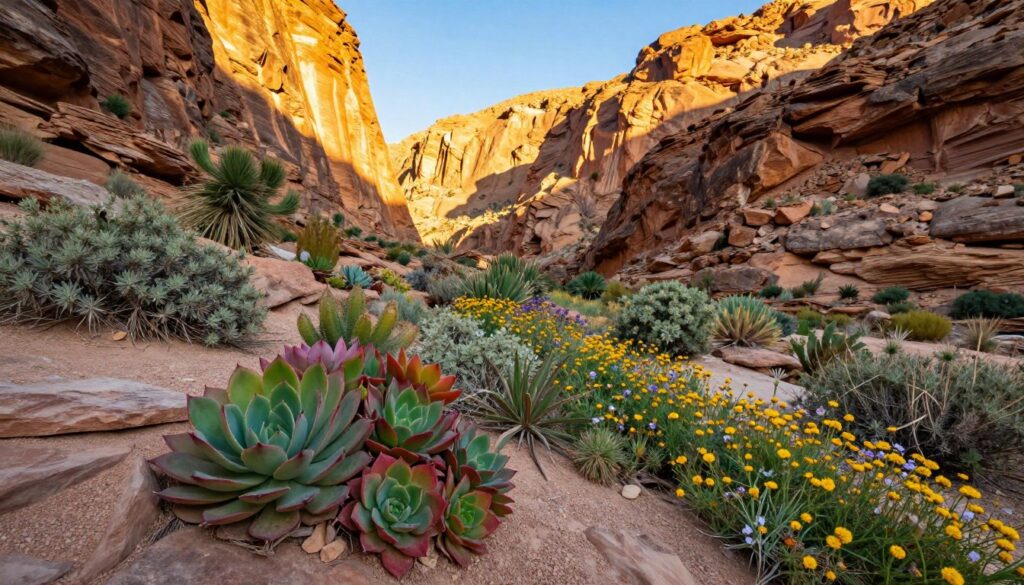
The Todra Gorge is a natural wonder in Morocco’s Atlas Mountains. It’s a stunning canyon carved by the Todra River. It stretches over 15 kilometers and goes as deep as 1,000 feet.
Explore the majestic Todra Gorge with our guide. It’s made for an unforgettable hiking adventure. We’ll share expert tips and must-see sights as you journey through Morocco’s stunning landscape.
Introduction to Todra Gorge
Todra Gorge is in the heart of Morocco’s Atlas Mountains. It’s a paradise for hikers. Before you start your adventure, it’s good to know why it’s so special.
What You Need to Know About Todra Gorge
Todra Gorge is famous for its towering cliffs and crystal-clear rivers. It’s also home to a wide variety of wildlife. There are many hiking routes for all hikers, from beginners to experts.
Whether you want a calm walk or a tough trek, Todra Gorge has it all. The area is not just a natural wonder. It’s also rich in culture, thanks to the local Berber communities.
Why Hiking Here is a Must
Hiking in Todra Gorge is an unforgettable experience. The trails give you stunning views and a chance to see unique plants and animals. For those who love Todra Gorge trekking, it’s a deep dive into Morocco’s natural beauty.
With many hiking routes in Todra Gorge, you can pick the one that fits your style. This makes your adventure in one of Morocco’s most beautiful spots unforgettable.
Getting to Todra Gorge
Getting to Todra Gorge is the first step in experiencing one of Morocco’s most stunning natural wonders. Planning your trip is essential to ensure a smooth and enjoyable journey.
Todra Gorge is accessible from major cities in Morocco, including Marrakech and Fez. The gorge is located in the eastern part of the High Atlas Mountains. This makes it a bit of a trek from the larger cities. But the scenic views along the way make it well worth the effort.
Best Travel Routes from Major Cities
If you’re traveling from Marrakech, the most common route is to take the N9 highway towards Errachidia. From Errachidia, you’ll continue on the R702 road until you reach Tinerhir. Then, follow the signs to Todra Gorge. This journey can take around 7-8 hours by car, depending on traffic and road conditions.
From Fez, you can take the N8 towards Midelt, then continue on the R317 towards Errachidia. Follow the same route as from Marrakech. The drive from Fez is approximately 6-7 hours.
Transportation Options in the Area
Once you arrive in the vicinity of Todra Gorge, you have several transportation options to get around. Rental cars are a popular choice, giving you flexibility and the ability to explore the surrounding areas at your own pace.
For those without a rental car, local taxis and buses are available. They provide a more affordable and authentic experience. You can also consider hiring a private driver for the day to take you to the gorge and other nearby attractions.
When planning your transportation, keep in mind that public transport options may be limited, even in the evenings. So, it’s a good idea to plan ahead.
Best Time to Hike Todra Gorge
Planning a hike in Todra Gorge? Knowing the weather is key. It has a Mediterranean climate with warm summers and cool winters. This knowledge is essential for a great hike.
Seasonal Weather Patterns
Todra Gorge’s weather changes with the seasons, affecting your hike.
In spring (March to May), the weather is nice, with highs around 25°C (77°F). It’s perfect for hiking. Summer (June to August) is hot, with highs over 35°C (95°F), making it tough for some.
Fall (September to November) brings mild temperatures, from 15°C to 25°C (59°F to 77°F). It’s great for hiking. Winter (December to February) is cool, with lows around 5°C (41°F), getting chilly in the mornings and evenings.
Peak Hiking Months
The best times to hike are March to May and September to November. The weather is mild, and there are fewer people than in summer.
Month
Average High Temperature
Average Low Temperature
Hiking Conditions
March
22°C (72°F)
10°C (50°F)
Excellent
April
25°C (77°F)
12°C (54°F)
Excellent
May
28°C (82°F)
15°C (59°F)
Good
September
28°C (82°F)
15°C (59°F)
Excellent
October
25°C (77°F)
12°C (54°F)
Excellent
November
20°C (68°F)
8°C (46°F)
Good
Choose these peak months for the best Todra Gorge has to offer.
Preparation for Your Hike
To enjoy your Todra Gorge hike, getting ready is key. This includes your gear and getting in shape. Good preparation makes your hike safer and more fun.
Essential Gear to Bring
Choosing the right gear is vital for a great Todra Gorge hike. Here’s what you should pack:
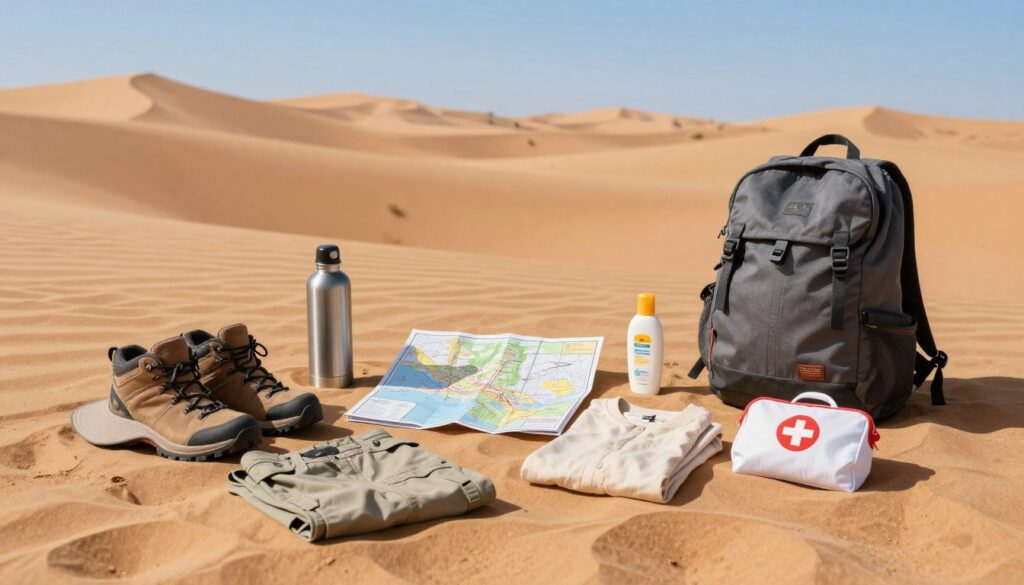
Sturdy hiking boots or shoes with good grip
Comfortable, breathable clothing suitable for hiking
A hat, sunglasses, and sunscreen for sun protection
A water bottle or hydration pack to stay hydrated
A first-aid kit with basic medical supplies
A map and compass or a GPS device for navigation
Gear
Description
Importance Level
Hiking Boots
Sturdy boots with good grip for navigating rugged terrain
High
Water Bottle/Hydration Pack
Staying hydrated is key; pick what works best for you
High
First-Aid Kit
A basic kit should include bandages, antiseptic wipes, and pain relievers
Medium
Map and Compass/GPS
For navigating the trails; consider a GPS for better accuracy
High
Physical Fitness Considerations
Your physical fitness is important for hiking. Todra Gorge’s terrain and weather can be tough. Here are some tips to get ready:
Start a cardio workout a month before to boost your endurance.
Do strength training to strengthen your legs.
Practice hiking with a backpack to get used to the weight.
By focusing on your fitness and packing the right gear, you’ll be ready for Todra Gorge’s adventures.
Hiking Trails in Todra Gorge
Planning your adventure in Todra Gorge? You’ll find many hiking trails to suit all skills and interests. The gorge’s stunning beauty and varied landscapes make for a unique hiking experience.
Overview of Popular Hiking Routes
Todra Gorge boasts a variety of hiking routes, each with its own charm. Some top trails include:
The Todra Gorge Trail, a challenging hike through the gorge’s heart. It offers stunning views of cliffs and valleys.
The Berber Village Trail, a leisurely hike that lets you explore local culture and scenery. You’ll visit traditional Berber villages.
The Riverbed Trail, a scenic hike along the riverbed. It gives a unique view of the gorge’s natural beauty.
These trails are a great way to see Todra Gorge’s stunning landscapes, rich culture, and diverse wildlife.
Trail Difficulty Levels
The hiking trails in Todra Gorge vary in difficulty. There’s something for every hiker, from easy, family-friendly routes to challenging climbs for the experienced.
Trail Name
Difficulty Level
Distance
Todra Gorge Trail
Challenging
10 km
Berber Village Trail
Moderate
6 km
Riverbed Trail
Easy
4 km
When picking a trail, think about your physical abilities and experience. This ensures a safe and enjoyable hike.
What to Expect While Hiking
Starting your hike in Todra Gorge, you’ll see Morocco’s Atlas Mountains’ stunning beauty. This place is perfect for outdoor lovers, with exciting trails and amazing views.
Unique Flora and Fauna
The Todra Gorge is more than just a natural wonder. It’s also a home for many plants and animals. You’ll see different plants, some found only here. Look out for the Atlas Cedar, a tall tree that grows high up.
Stunning Scenic Views
Hiking Todra Gorge is all about the breathtaking scenery. You’ll see steep cliffs, narrow valleys, and the Todra River. Every step reveals dramatic vistas that you can’t miss.
But the views don’t stop at the gorge. The mountains around offer wide views of the landscape. Every step is a chance to see something new and beautiful.
Safety Tips for Hiking
Before you start hiking in Todra Gorge, remember safety first. It makes your hike better and keeps you safe from dangers.
Staying Hydrated and Sun Protection
It’s key to stay hydrated in Todra Gorge, more so in hot months. Drink lots of water before and during your hike. Bring a water filter or purification tablets too.
Protecting from the sun is also vital. Wear lightweight, breathable clothes that cover you. And don’t forget sunscreen with high SPF.
Sun Protection Measures
Description
Importance Level
Sunscreen
Apply broad-spectrum sunscreen with high SPF
High
Clothing
Wear lightweight, breathable clothing that covers skin
High
Hat and Sunglasses
Use a hat with a brim and sunglasses for extra protection
Medium
Navigating the Trails Safely
When hiking in Todra Gorge, pay close attention to your path. Bring a map and compass and know how to use them. Even marked trails can confuse you without these tools.
Use a GPS or a hiking app on your phone, but watch your battery. Let someone know your hiking plans, including where you’re going and when you’ll be back.
By following these safety tips, you’ll be ready to enjoy Todra Gorge’s trails safely.
Cultural Insights
As you hike through Todra Gorge, you’ll dive into the rich culture of the Berber people. The area is filled with Berber villages. Here, you can see their unique traditions and way of life.
Understanding Local Berber Culture
The Berber people have a culture shaped by their history, geography, and traditions. To truly appreciate their way of life, it’s essential to understand their customs and practices. Some key aspects of Berber culture include:
Their rich storytelling tradition, which passes down history and myths through generations.
The importance of hospitality, where guests are treated with great respect and warmth.
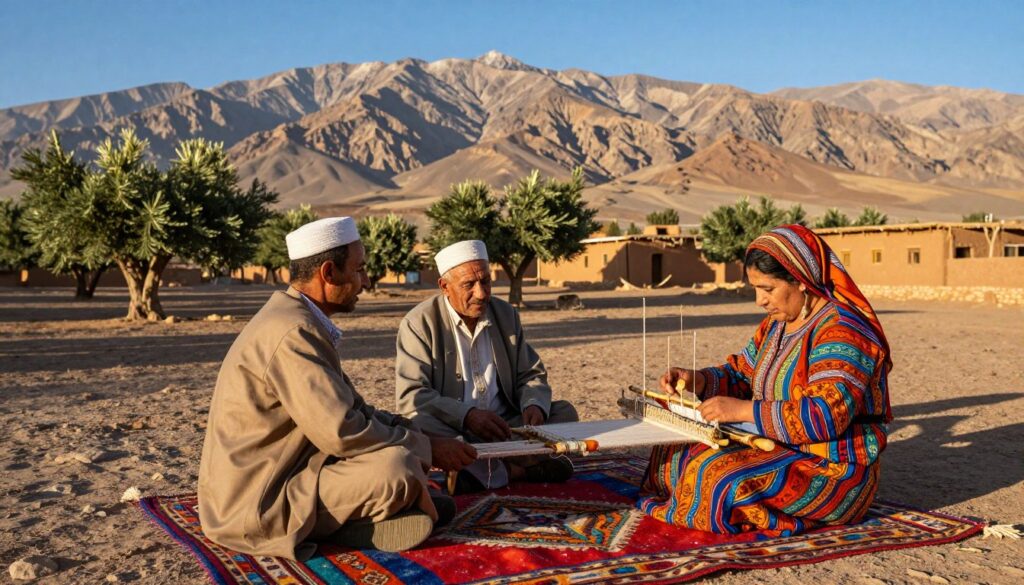
Their unique crafts, such as weaving and pottery, which are not only functional but also carry cultural significance.
Important Etiquette Tips
When interacting with the local Berber communities, it’s important to be respectful. Here are some important etiquette tips to keep in mind:
Be mindful of your attire; modest clothing is recommended to show respect for local norms.
Learn a few basic phrases in the local Berber dialect, such as greetings and expressions of gratitude.
When visiting villages or homes, ask for permission before taking photographs, and be respectful of any areas that may be considered private.
By being considerate of the local culture and customs, you can create meaningful connections with the people you meet. This will enhance your overall experience in Todra Gorge.
Nearby Attractions
Beyond Todra Gorge’s stunning views, the area is full of outdoor fun. You’ll find many activities and attractions to make your trip better.
Exploring the Surrounding Areas
The areas around Todra Gorge are full of natural beauty and culture. You can visit Berber villages to see how locals live and learn about their history. These villages show off the Berber people’s traditional architecture and crafts.
Immerse yourself in the local culture by visiting these villages. Here, you can meet friendly locals and enjoy their hospitality.
Other Outdoor Activities to Enjoy
There’s more to do than just hike in Todra Gorge and its surroundings. You can try water sports on nearby lakes, rock climbing, or take a relaxing walk through beautiful landscapes.
Activity
Location
Best Time
Rock Climbing
Todra Gorge
Spring and Autumn
Water Sports
Nearby Lakes
Summer
Leisure Walks
Surrounding Landscapes
Anytime
Make the most of your trip by trying these activities. Each one offers a special way to see Todra Gorge’s beauty and adventure.
Conclusion and Final Thoughts
As you finish your hike through Todra Gorge, the memories of Morocco’s natural beauty will stay with you. Hiking Todra Gorge is an experience that combines breathtaking scenery with rich cultural insights. It’s a must-visit destination for outdoor enthusiasts.
Recap of Key Experiences
You’ve navigated the gorge’s stunning trails and taken in the unique flora and fauna. You’ve also immersed yourself in the local Berber culture. The experience has been both exhilarating and enriching, giving you a deep connection with nature and the community.
Planning Your Next Adventure
As you reflect on your adventure, consider what other wonders Todra Gorge and its surroundings have to offer. Whether you’re planning a return trip or dreaming of your next adventure, the landscapes and cultures of this region will captivate you. Hiking Todra Gorge is just the beginning of your exploration.
Did you know the Sahara Desert is the world’s largest hot desert? It covers over 9,200,000 square kilometers. This vast area of sand dunes and oases is perfect for adventure seekers. Desert Tours in the Sahara offer a unique way to see its stunning landscapes.
Experience the excitement of Sandboarding down huge dunes or relax in a fancy desert camp. The Sahara has something for everyone. In this guide, we’ll show you the best Desert Tours and activities for your adventure.
Whether you’re an experienced traveler or seeking a new adventure, our guide to the Sahara Desert has you covered. It will help you prepare for an unforgettable trip.
Overview of the Sahara Desert
The Sahara Desert is the world’s largest hot desert. It combines geography, climate, and biodiversity in a unique way. It covers several North African countries, featuring vast sand dunes, oases, and rocky plateaus.
Geographic Features
The Sahara’s geography is diverse and complex. It boasts the Erg Chebbi dunes in Morocco, which stand out dramatically. The Atlas Mountains stretch across several countries, affecting local climates and ecosystems.
The Sahara’s landscape has been shaped by wind and water over millions of years. Its varied terrain supports different ecosystems, from arid plains to mountainous regions.
Geographic Feature
Description
Notable Locations
Sand Dunes
Vast expanses of sand shaped by wind
Erg Chebbi, Morocco
Oases
Fertile areas supported by natural water sources
Siwa, Egypt; Kufra, Libya
Rocky Plateaus
Elevated areas of rock, often barren and rugged
Atlas Mountains, Morocco
Climate and Weather Patterns
The Sahara Desert has an extreme climate. Temperatures can be very high during the day and drop sharply at night. It receives very little rainfall, with some areas getting as little as 0.6 inches (15 mm) a year.
The climate varies across the desert. The harmattan, a dry wind, blows across the region. Weather patterns are shaped by the desert’s size and geography, including the Atlas Mountains.
Flora and Fauna
Despite the harsh conditions, the Sahara Desert is home to diverse flora and fauna. Plants like cacti and acacia trees conserve water. Animals such as fennec foxes and dorcas gazelles have adapted to extreme temperatures.
The desert’s biodiversity is supported by its oases. These areas provide habitats for many species. Understanding the Sahara’s flora and fauna is key to appreciating its ecological balance.
Best Times to Visit the Sahara Desert
Planning your Sahara Desert trip? Knowing when to go is key, as the weather changes a lot. Some times are better than others for travelers due to the desert’s harsh conditions.
Seasonal Highlights
Spring and autumn are the best seasons to explore the Sahara. The weather is mild, and the views are stunning.
Spring (March to May) is when the desert blooms. Plants flower after the winter rains. Autumn (September to November) has warm days and cool nights. It’s perfect for camel rides and stargazing.
Festivals and Events
The Sahara Desert is more than sand dunes. It’s also home to lively cultures and festivals all year. The Merzouga Festival in Erg Chebbi is a highlight. It features local music, dance, and crafts.
Event
Location
Time of Year
Merzouga Festival
Erg Chebbi
March
Desert Festival
Erg Chigaga
October
Sahara Cultural Days
Various Locations
November
These festivals give you a peek into local culture. They’re a great way to see the Sahara beyond its dunes.
Popular Tours in the Sahara Desert
The Sahara Desert offers both guided tours and independent adventures. It’s known for its vast sand dunes, unique landscapes, and rich culture. This makes it a great spot for many different interests and travel styles.
Guided Tours
Guided tours make exploring the Sahara easy. Experienced guides show you the best spots, sharing stories about the desert’s history and culture. You’ll see remote oases, go on camel treks, and stay in desert camps.
One top guided tour is to Mount Toubkal, North Africa’s highest peak. It’s a hike with amazing views, perfect for those who love adventure.
Self-Drive Adventures
Self-drive tours give you freedom to explore. Rent a 4×4 to see the desert at your pace. You can stop at scenic spots and hidden gems.
Be ready for a self-drive trip with a reliable car, enough supplies, and knowledge of the terrain. Many tour operators help with vehicle rentals and suggest the best routes.
Family-Friendly Options
The Sahara is great for families, with fun activities for all ages. Family-friendly tours include camel rides, games, and cultural experiences. Some places even have special services for families with kids.
Plan your Sahara trip with your family’s ages and interests in mind. Many operators can customize tours for families, making sure everyone has a great time.
Accommodations in the Sahara Desert
The Sahara Desert offers a variety of places to stay, from luxury camps to simple Berber tents. Whether you want comfort, adventure, or a cultural experience, there’s something for everyone.
Luxury Desert Camps
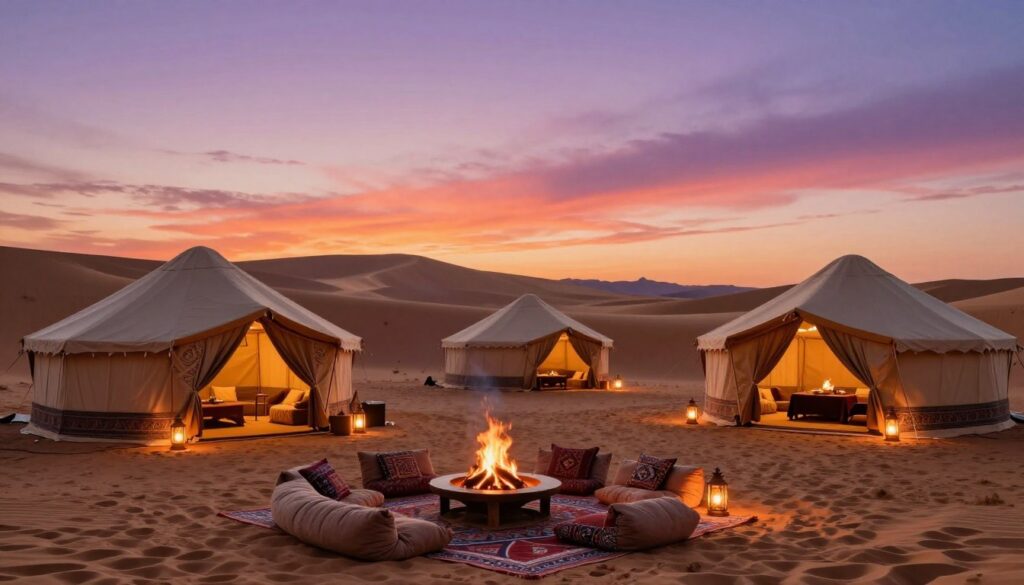
Luxury desert camps provide a high-end experience. Enjoy fine dining, comfortable rooms, and activities like camel trekking. These camps offer a serene setting, making your trip unforgettable.
Opulent accommodations with modern amenities
Fine dining experiences with local cuisine
Guided activities such as camel rides and desert safaris
Budget-Friendly Options
For those on a budget, the Sahara Desert has affordable stays. Budget-friendly options include hostels, guesthouses, and simple lodges. These places offer a basic but comfortable experience, letting you enjoy the desert without spending a lot.
Affordable rates without compromising on basic amenities
Opportunities to meet fellow travelers
Simple, yet comfortable lodging
Unique Stays
Staying in a Berber tent offers a unique experience. It lets you live like the local Berber communities, experiencing their traditions. It’s a chance to step away from modern life and connect with nature and culture.
Authentic Berber cultural experience
Immersive stay amidst natural desert landscapes
Opportunities to engage with local communities
Sandboarding in the Sahara
Sandboarding in the Sahara is more than an adventure. It’s a chance to see one of the world’s most unique places. The huge sand dunes offer a thrilling ride for those who dare or just want to see the desert’s beauty.
Popular Sandboarding Destinations
The Sahara Desert has many sandboarding spots, each with its own charm. Some top places include:
Erg Chebbi: Famous for its tall dunes, Erg Chebbi is a hit with sandboarders.
Erg Chigaga: Near the Draa Valley, Erg Chigaga offers a quiet sandboarding spot.
Merzouga: Known for easy access and varied slopes, Merzouga is a favorite.
Tips for Beginners
Here’s how to start sandboarding:
Take a lesson: Many tours offer lessons for newbies.
Wear protective gear: Helmets, knee pads, and gloves are key for safety.
Check the weather: Sandboarding is best in cooler times of the day.
Safety Precautions
Always put safety first when sandboarding. Here are some tips:
Assess the terrain: Choose dunes that match your skill level.
Stay hydrated: The desert is tough, so drink lots of water.
Follow guide instructions: If you’re with a tour, listen to the guide.
By following these tips and being aware of your surroundings, you can have a fun and safe sandboarding trip in the Sahara.
Cultural Experiences in the Sahara
Dive into the Sahara’s unique culture, where old traditions meet modern hospitality. The Sahara Desert is filled with different local tribes and communities. Each has its own culture and way of life.
Local Tribes and Communities
Meeting the local tribes, like the Berber people, is a key cultural experience. You can visit their villages and learn about their customs. The Berbers are famous for their music, dance, and crafts.
Traditional Cuisine to Try
Saharan food shows the region’s cultural mix. Try tagines, slow-cooked stews with meat, veggies, and dried fruits. Also, taste couscous, a semolina flour staple. Don’t miss goat cheese and dates, common in the area.
Art and Craft Workshops
The Sahara is known for its crafts, like hand-woven carpets, intricate jewelry, and pottery. Join an art workshop to learn these crafts’ stories and techniques. You can also buy handmade souvenirs at local markets, supporting local artisans.
Exploring the Sahara’s culture will deepen your appreciation for its heritage and people. Whether you’re trekking the Atlas range or relaxing in a desert camp, the Sahara’s cultural experiences will make your journey unforgettable.
Activities Beyond Sandboarding
The Sahara Desert has more than just sandboarding. It’s full of adventures waiting for you. You can see its vast beauty through different activities that highlight its landscapes and cultures.
Camel Trekking
Camel trekking is a classic Sahara adventure. It lets you move slowly over the dunes. You’ll see remote oases, meet local tribes, and learn about desert life.
Many camel treks also let you camp under the stars. This adds to the excitement of the journey.
Stargazing Experiences
The Sahara’s stunning night skies make it great for stargazing. With little light pollution, you can see amazing stars. Desert camps offer guided tours to learn about constellations and enjoy the quiet night.
Hot Air Ballooning
Try a hot air balloon ride for a unique Sahara view. Floating above the dunes at sunrise, you’ll see the desert light up. It’s a peaceful way to see the Sahara’s vast beauty.
Choosing camel trekking, stargazing, or hot air ballooning gives you unique Sahara experiences. These adventures show off the desert’s natural beauty and its rich culture.
Essential Packing List for Sahara Trips
The Sahara Desert is vast and harsh. It’s important to pack right for your trip. Whether you’re on a guided tour or driving yourself, being ready is key to a great trip.
Clothing and Footwear
The desert’s climate needs lightweight, breathable clothes to protect you from sun and sand. Here’s what to pack:
Light, neutral-colored clothes to reflect the sun
Long-sleeved shirts and pants for sun and sand protection
A hat and sunglasses for extra sun protection
Comfortable, sturdy shoes for walking and desert terrain
Your shoes should be durable and comfy. They need to handle the desert’s harsh conditions. Hiking boots or sturdy shoes are best.
Hydration and Nutrition
Staying hydrated is key in the Sahara’s dry air. Bring:
A refillable water bottle or hydration pack
Water purification tablets or a portable filter
High-energy snacks like nuts, dried fruits, and energy bars
Ready-to-eat meals or simple meal ingredients
Also, bring electrolyte-rich drinks to keep your body balanced.
Gear and Equipment
Other must-haves include:
Sunscreen with high SPF
A first-aid kit for desert travel
A camera and charger for amazing views
A portable power bank for your devices
A map and compass, or a GPS device
Thinking about what to pack well prepares you for the Sahara’s challenges and beauty. The right gear makes a big difference in your trip.
Transportation Options in the Sahara
The Sahara Desert is easier to reach than you might think. It has many ways to get there. Whether you want adventure or a calm trip, knowing how to get around is key.
Airports and Routes
Getting to the Sahara is easy, with many airports as entry points. North African airports like those in Morocco, Tunisia, and Egypt connect to the world. From these, you can take tours, private rides, or rent cars to get to the Sahara.
For the Moroccan Sahara, Marrakech or Ouarzazate airports are good choices. They have flights from around the world. Then, you can fly, bus, or drive to the desert.
Destination
Nearest Airport
Transportation Options from Airport
Moroccan Sahara
Marrakech Menara Airport (RAK)
Private Transfer, Rental Car, Guided Tour
Tunisian Sahara
Tunis-Carthage International Airport (TUN)
Rental Car, Taxi, Guided Tour
Algerian Sahara
Houari Boumediene Airport (ALG)
Domestic Flight to local airstrips, Guided Tour
In-Destination Travel Solutions
Once you’re in the Sahara, your travel choices change. For short trips, camel rides are a great way to see the dunes. For longer trips or when you’re in a hurry, 4x4s are best. They handle the desert’s rough terrain well.
Camel Trekking: It’s perfect for those wanting to really feel the desert. Treks can last from hours to days, giving a unique view of the Sahara.
Renting a 4×4 Vehicle: For adventure and freedom, renting a 4×4 is great. It lets you explore far-off places and make your own plans.
Car Rentals vs. Camels
Choosing between a car and a camel depends on what you like, your budget, and your trip’s nature. Cars are fast and comfy for long trips or groups. Camels give a real desert feel, connecting you with nature and local culture.
Car Rentals: Good for long trips, groups, or when you want to get there fast.
Camels: Best for a real desert feel, cultural immersion, and short trips.
Knowing your Sahara travel options helps plan a great trip. It ensures a memorable journey through this amazing landscape.
Sustainable Travel Practices in the Sahara
Traveling sustainably in the Sahara means being careful about your impact on the desert. It’s also about respecting local cultures. As more people visit, it’s key to leave a small footprint.
Eco-Friendly Tours and Camps
Choosing eco-friendly tours and camps is a big step towards sustainable travel. Look for those that use green practices. This includes renewable energy, less waste, and supporting local conservation.
Opt for camps that use solar power and have a waste management system in place.
Support local guides and tour operators who are committed to sustainable tourism practices.
Respecting Local Culture
Respecting local culture is key when visiting the Sahara. The desert is home to many communities, each with their own traditions.
Key practices to respect local culture include:
Learning a few basic phrases in the local language to show respect.
Dressing modestly and respecting local dress codes.
Participating in local customs and traditions when invited to do so.
Minimizing Environmental Impact
It’s important to minimize your environmental impact in the Sahara. Simple actions can make a big difference.
Consider the following tips:
Reduce your use of single-use plastics by carrying a reusable water bottle.
Be mindful of your energy consumption and choose accommodations that support energy efficiency.
Respect wildlife and their habitats, keeping a safe distance and not littering.
By following these sustainable travel practices, you can enjoy the Sahara Desert. You’ll also help preserve it for future generations.
Frequently Asked Questions About the Sahara Desert
Planning a trip to the Sahara Desert? You probably have many questions. We’ll answer some of the most common ones to help you get ready for your adventure.
Tour Expectations
A Sahara Desert tour usually means seeing the huge dunes and local communities. You might go camel trekking, sandboarding, or stargazing. Make sure to check your tour package to know what’s in store for you.
Addressing Safety Concerns
Safety is key when visiting the Sahara Desert. Tour operators make sure you’re safe with experienced guides and emergency services. Listening to your guide and staying informed about local conditions can help keep you safe.
Health and Travel Insurance
It’s important to have the right health and travel insurance for the Sahara Desert. Look for policies that cover emergencies, trip cancellations, and delays. Knowing what your insurance covers can make your trip less stressful.
Imagine standing at the edge of a vast, golden sea. Dunes stretch as far as the eye can see. The Sahara Desert, home to the majestic Erg Chebbi vs Erg Chegaga dunes, offers an unparalleled adventure. Every year, thousands of travelers flock to Morocco to experience the magic of these natural wonders.
When planning your Sahara Desert tour, you might wonder between Erg Chebbi and Erg Chegaga. Both destinations promise unforgettable experiences. From camel trekking under the stars to watching the sunrise over the dunes.
This guide will help you navigate the best experiences, activities, and accommodations in these iconic desert destinations. It ensures your Moroccan adventure is nothing short of extraordinary.
Introduction: Erg Chebbi vs Erg Chegaga
Erg Chebbi in Merzouga
Merzouga is a treasure in southeastern Morocco, leading to the stunning Erg Chebbi dunes. Exploring this area reveals Merzouga’s unique charm and Erg Chebbi’s breathtaking beauty.
What Makes Merzouga Unique?
Merzouga is more than a village; it’s a Sahara spirit experience. Desert camps in Merzouga provide a luxurious, authentic desert immersion. Enjoy camel trekking to see the sunset over Erg Chebbi’s sand sea.
The village is a cultural exchange hub. Here, you can meet local Berber communities. Learn about their traditions and life, enriching your desert journey.
Understanding Erg Chebbi’s Role
Erg Chebbi is the Merzouga experience’s heart. Its vast sand dunes stretch as far as the eye can see. The best desert experiences in Morocco often include Erg Chebbi, through camel treks, sandboarding, or just enjoying the views.
Erg Chebbi’s beauty is more than skin-deep; it symbolizes the Sahara’s timeless charm. Exploring the dunes shows why it’s a key desert destination for real experiences.
Exploring Erg Chegaga: An Overview
Erg Chegaga is a hidden treasure in the Sahara Desert. It’s located in Morocco’s southwestern part. This place is less crowded than Erg Chebbi, making it great for a peaceful desert trip.
The Geography of Erg Chegaga
Erg Chegaga boasts vast sand dunes, some over 150 meters tall. The dunes change shape due to the wind. This makes each visit unique, as the landscape shifts with the seasons.
But Erg Chegaga is more than just sand. It’s also home to plants and animals that thrive in the desert. Exploring here, you might see unique desert vegetation and even some wildlife.
How Erg Chegaga Compares to Erg Chebbi
Erg Chegaga and Erg Chebbi are both in the Moroccan Sahara. But they offer different experiences. Erg Chebbi, near Merzouga, is easier to get to and more popular. Erg Chegaga, on the other hand, is harder to reach but less crowded.
Feature
Erg Chegaga
Erg Chebbi
Location
Southwestern Morocco
Near Merzouga
Accessibility
More remote, requires 4×4 vehicle
Easier to access, more tourist infrastructure
Crowd Level
Less crowded, more serene
More crowded, specially during peak season
Dune Height
Up to 150 meters
Up to 160 meters
Both Ergs offer amazing sand dunes adventures Morocco has. But Erg Chegaga is ideal for a quiet, untouched desert experience. It’s perfect for desert safari tours that want to show you the real desert.
The Best Time to Visit Merzouga and Erg Chebbi
To enjoy your luxury desert tours Morocco to the fullest, knowing when to visit Merzouga and Erg Chebbi is key. The desert’s beauty changes with the seasons and special events.
Seasonal Weather Patterns
The desert in Morocco has very hot summers and cold winters. Summer months can get over 40°C (104°F). Winters can get as low as 0°C (32°F) at night.
The best times are spring (March to May) and autumn (September to November). These seasons have mild weather, perfect for camel rides and outdoor fun.
Season
Temperature Range
Ideal Activities
Spring (March to May)
15°C to 25°C (59°F to 77°F)
Camel trekking, camping, and exploring Berber villages
Summer (June to August)
25°C to 45°C (77°F to 113°F)
Desert safaris, sandboarding
Autumn (September to November)
15°C to 25°C (59°F to 77°F)
Cultural festivals, stargazing
Winter (December to February)
0°C to 15°C (32°F to 59°F)
Camping under the stars, experiencing local traditions
Special Events and Festivals
Merzouga and Erg Chebbi have many cultural events and festivals all year. The Merzouga International Music Festival is a big draw, bringing visitors from everywhere.
Joining in these events can make your desert trip even better. You’ll learn a lot about the local culture and traditions.
Activities in Merzouga and Erg Chebbi
The vast dunes of Merzouga and Erg Chebbi call to adventurers. They offer a range of activities for all interests and skill levels. You can explore the desert’s beauty in many ways.
Camel Trekking Adventures
Camel trekking in Morocco is a unique experience. You ride a camel across the sand dunes. You feel the camel’s rhythm and see stunning desert views.
These treks end with watching the sunset over the dunes. It’s a moment you won’t forget.
Camel Trek Highlights:
Explore Erg Chebbi’s vast sand dunes
Visit local Berber communities and learn about their traditions
Enjoy a calm camel ride at sunrise or sunset
Sandboarding and Dune Bashing
For thrill-seekers, sandboarding and dune bashing are perfect. Sandboarding is like snowboarding but on sand. Dune bashing is driving a 4×4 fast across the dunes.
Activity
Level of Adventure
Best Time
Camel Trekking
Moderate
Early Morning or Late Afternoon
Sandboarding
High
Anytime, but best during cooler hours
Dune Bashing
High
Anytime, but best during cooler hours
Merzouga and Erg Chebbi offer both calm camel treks and thrilling adventures. The desert’s unique landscape makes your experience unforgettable.
Activities in Erg Chegaga
Erg Chegaga is a stunning erg in Morocco, inviting you to explore its vast dunes and breathtaking landscapes. It’s a paradise for adventure lovers and those who want to see the Sahara Desert’s serene beauty.
Guided Tours and Experiences
Erg Chegaga has guided tours for all interests and preferences. You can go on a desert safari tour on camelback or in a 4×4. These tours let you see the desert’s stunning sunsets and enjoy the Sahara’s calm.
If you want luxury, luxury desert tours Morocco offer top-notch accommodations and personal service. They make your journey both comfortable and unforgettable.
Camping under the stars in Erg Chegaga is unforgettable. At night, the desert sky turns into a twinkling canvas. You can choose a luxury camping experience or a rustic adventure to enjoy the desert’s natural beauty.
Whether you seek adventure or relaxation, Erg Chegaga’s camping offers a chance to connect with nature. It’s a way to make memories that last a lifetime.
Accommodations: Where to Stay
Choosing the right place to stay in the Moroccan desert is key for a great trip. Your accommodation choice can greatly affect your adventure. Whether you’re exploring Erg Chebbi or Erg Chegaga, it matters.
Hotels and Guesthouses in Merzouga
Merzouga is a top spot for desert lovers, with many hotels and guesthouses. You can pick from desert camps in Merzouga for a real desert feel. Some offer luxury desert tours Morocco with top-notch amenities and guides.
Accommodations range from cozy guesthouses to fancy riads. Look for places close to Erg Chebbi. Also, think about what activities and services they offer.
Unique Lodging Options at Erg Chegaga
Erg Chegaga is quieter than Erg Chebbi, giving a peaceful desert experience. Lodging here is often simple and true to desert life. You can stay in traditional Berber tents or luxury camps for a mix of comfort and adventure.
Some tours include luxury desert tours Morocco in Erg Chegaga. These tours might include camel rides, sandboarding, and more. They let you dive deep into the desert.
Plan your stay carefully. Choose accommodations that match your budget and what you like. This way, you’ll have a comfy and fun stay in the Moroccan desert.
Cultural Experiences in Merzouga
Merzouga is a gateway to the Sahara Desert. It offers a rich tapestry of cultural experiences. You’ll dive into local traditions and vibrant Berber communities.
Local Traditions and Festivals
Merzouga is known for its vibrant cultural scene. Traditional Berber festivals and customs are preserved and celebrated here. The Merzouga Festival is a highlight, featuring local music, dance, and handicrafts.
You can witness the Aissaoua ritual. It’s a mesmerizing performance where participants induce a trance-like state through music and dance.
Participating in or observing these festivals gives a unique insight into the Berber way of life. It’s a chance to understand their historical and cultural context. This enriches your desert experience.
Interaction with Berber Communities
Interacting with the Berber communities is a highlight of visiting Merzouga. You can visit local villages and enjoy traditional tea and hospitality. Engaging with the Berber people lets you learn about their daily lives and traditions.
Many tour operators offer homestay experiences. You can live with a Berber family for a few days. This immersive experience is a profound way to understand the Berber culture.
It’s a Berber culture experience like no other. It leaves a lasting impression on your journey through Morocco.
These cultural interactions enrich your travel experience. They also contribute to the local economy, supporting sustainable tourism practices in the region.
Cultural Experiences in Erg Chegaga
Exploring Erg Chegaga is more than seeing a desert. It’s diving into a world of rich culture. The vast dunes of Erg Chegaga are the perfect setting for experiencing the true traditions of the Berber people.
Understanding Berber Life
Erg Chegaga is a hidden gem for experiencing real Berber culture. You can learn about the daily life of Berber communities. This includes their customs, traditions, and how they live.
Interacting with locals gives you a unique chance to see their values and hospitality. This is a key part of any Sahara Desert tour in Morocco.
Berber culture experience is a big part of any Sahara Desert tour in Morocco. You’ll get to visit Berber villages and learn about their farming. You’ll also see how they live in the harsh desert environment.
Music and Dance in Erg Chegaga
Music and dance are big parts of Berber culture, and Erg Chegaga is no different. You can enjoy traditional Berber music and dance. These events are often with stories and local food.
The Sahara Desert tours Morocco often have cultural evenings. You can join in or watch traditional dances like the Gnawa dance. You’ll also hear the unique beats of Berber music.
By getting involved in local culture, your desert adventure will be even more special. You’ll make memories that will last a lifetime in Erg Chegaga.
Planning Your Journey: Tips and Tricks
Getting ready for your desert safari tour means knowing how to get to Merzouga and Erg Chegaga. Both places offer amazing experiences, but you need to plan your trip.
How to Get to Merzouga and Erg Chegaga
Merzouga and Erg Chegaga are in southeastern Morocco. You can drive or take a bus from big cities like Marrakech. Or, choose a guided tour that includes transport.
By Air: The closest airport is in Errachidia. Some people fly into Marrakech and then drive or take a domestic flight.
By Car: Renting a car in Morocco gives you freedom in your travel plans.
Guided Tours: Many tours include transport from big cities, making it easy.
What to Pack for the Desert
For a great camel trekking trip in Morocco, pack the right things. Here’s what you need:
Comfortable Clothing: Wear loose, breathable clothes to keep cool and protect from sun and sand.
Sunscreen and Sunglasses: It’s important to protect yourself from the desert sun.
Reusable Water Bottle: Stay hydrated with a refillable water bottle.
First-Aid Kit: Carry a basic kit with band-aids, antiseptic wipes, and any medicines you need.
Camera: Bring a camera to capture the stunning views and memories.
Plan your trip well and pack right. Then, you’re ready for an amazing adventure in the Moroccan desert.
Conclusion: Choosing Between Erg Chebbi and Erg Chegaga
When planning your desert trip, think about what you want. Merzouga Erg Chebbi and Erg Chegaga are both amazing. They show off Morocco’s desert beauty in different ways.
Personal Preferences for Your Adventure
Think about what you like to do. Merzouga Erg Chebbi has lots of activities and places to stay. Erg Chegaga is quieter, perfect for those who want peace.
Final Thoughts on Your Desert Experience
Either choice will give you a trip you’ll never forget. Morocco’s deserts are full of things to see and do. Pick what you like and get ready for an adventure that will stay with you forever.
Did you know the Sahara is the world’s largest hot desert, covering over 9,200,000 square kilometers?
This vast and fascinating region spans across much of North Africa. It offers a unique adventure for travelers. As your Sahara Desert Guide, we’ll take you on a journey through the Sahara’s majestic landscapes.
You’ll discover Sahara desert facts and learn how to plan your trip. You’ll also get insider tips on what to expect and how to make the most of your adventure. Whether you’re a seasoned explorer or just starting to plan your journey, our guide is here to help you navigate the wonders of the Sahara.
Overview of the Sahara Desert
The Sahara Desert stretches across North Africa, covering about 9,200,000 square kilometers. It’s the world’s largest hot desert.
Geography and Climate
The Sahara has vast sand dunes and rocky plateaus. Its climate is very harsh, with extreme temperatures and little rain. Daytime can reach 58°C (136.4°F), and nights can drop to -12°C (10.4°F) in winter.
Climate Variations: The Sahara’s climate varies from hyper-arid to semi-arid. Some areas get as little as 25 millimeters (1 inch) of rain a year. Others may get up to 500 millimeters (20 inches).
Region
Annual Rainfall
Temperature Range
Southern Sahara
25-100 mm
20-45°C
Northern Sahara
100-200 mm
10-40°C
Mountainous Regions
200-500 mm
-12 to 30°C
Unique Wildlife
The Sahara is home to unique wildlife. The fennec fox and the dromedary camel are famous Sahara animals.
Many Sahara animals are nocturnal to avoid the heat. This helps them survive the desert’s harsh conditions.
Cultural Significance
The Sahara has a rich cultural history in North Africa. It was a key spot for ancient trade routes, like the Trans-Saharan Highway. Many civilizations have called the Sahara home.
Tuareg Culture: The Tuareg people have lived in the Sahara for centuries. They have deep knowledge of the desert and its ways.
Planning Your Sahara Adventure
Planning a Sahara adventure is key to a great trip. The Sahara Desert offers many experiences, like camel treks and stargazing. It’s important to plan well to enjoy your journey.
Best Time to Visit
The best time to visit the Sahara depends on what you want to do. For a calm trip, visit from October to February. If you’re up for adventure, go from March to September, even though it’s hot.
Temperature Variations: The Sahara’s temperature changes a lot between day and night. Even in summer, nights can be cool.
Essential Packing List
Having the right gear is essential for a safe Sahara trip. You’ll need comfy clothes, a hat, sunglasses, sunscreen, and a first-aid kit. Also, bring a reusable water bottle to stay hydrated.
Comfortable, breathable clothing
Sunscreen and lip balm with SPF
A sturdy pair of boots or hiking shoes
A first-aid kit
A map and compass or GPS device
Suggested Itineraries
Having a good itinerary is important. Think about what you want to do and how far apart places are. Your trip might include camel treks, visiting nomadic tribes, and stargazing.
Day
Activity
Location
1
Camel Trek
Dunes of Erg Chebbi
2
Visit Nomadic Tribe
Aït Kinin Tribe
3
Stargazing
Desert Oasis
By planning well, your Sahara adventure will be unforgettable. Whether you’re exploring dunes or relaxing in an oasis, the Sahara has something for everyone.
Popular Tours and Experiences
Start an amazing journey through the Sahara Desert with many tours and experiences. The Sahara is huge and full of wonders, perfect for exploring in many ways.
Guided Tours are a great way to see the Sahara’s secrets. Guides will show you around, telling you about the desert’s history, culture, and geography. You can pick from different tours, like:
Historical tours that explore ancient trade routes and historical landmarks
Cultural tours that dive into the traditions and customs of local communities
Adventure tours that focus on trekking, camping, and other outdoor activities
Guided Tours
Guided tours in the Sahara Desert offer a full and fun experience. With expert guides, you’ll learn about the desert’s ecosystem, see unique wildlife, and visit important cultural sites.
Camel Trekking
Camel trekking is a key Sahara experience, letting you move through the sand dunes like a nomad. You can pick from short day trips or longer, multi-day adventures. It’s a wonderful way to enjoy the desert’s calm beauty and vast spaces.
Imagine riding a camel across the golden sands, with the sun setting over the dunes, casting a warm, golden glow over the landscape. It’s an experience that will leave you with unforgettable memories.
Hot Air Balloon Rides
For a thrilling experience, try a hot air balloon ride over the Sahara Desert. It gives you stunning views of the desert from above, showing its beauty in a new way. You’ll see the sunrise or sunset from a special spot.
Whether you go on a guided tour, camel trekking, or a hot air balloon ride, your Sahara Desert adventure will be unforgettable. Each option lets you explore the desert in a unique way and make memories that last a lifetime.
Exploring Traditional Camps
Exploring the Sahara’s traditional camps is like diving into the heart of desert culture. These camps let you see the rich heritage of the Sahara’s nomadic tribes up close.
Types of Accommodations
There’s a wide range of accommodations in the Sahara. You can pick from luxury tents with all the modern comforts to simple setups that remind you of nomadic life. Options include:
Luxury camps with fine dining and spa facilities
Traditional Berber tents for a more authentic experience
Eco-lodges that focus on sustainable tourism practices
Each place offers a unique experience. You can pick the one that matches your adventure style.
Amenities and Services
Traditional camps in the Sahara have many amenities and services to make your stay better. You can enjoy:
Amenity/Service
Description
Fine Dining
Savor local and international cuisine prepared by skilled chefs
Spa Facilities
Relax with massages, sauna, and other rejuvenating treatments
Cultural Activities
Participate in traditional music, dance, and craft workshops
Cultural Encounters
Staying in traditional Sahara camps means you get to meet local communities. You can:
Learn about the traditions and customs of the Tuareg and Berber tribes
Participate in local ceremonies and celebrations
Explore the surrounding desert landscapes with experienced guides
These experiences deepen your understanding of the Sahara’s rich heritage. They also create memories that last a lifetime.
Choosing traditional camps supports local economies. It also helps preserve the Sahara’s unique cultural landscape.
Thrilling Sandboarding Adventures
Feel the excitement of sandboarding down the Sahara Desert’s majestic dunes. It’s like snowboarding but in the world’s largest hot desert.
Best Sandboarding Locations
The Sahara Desert has many sandboarding spots, each with its own charm. Some top places include:
The Erg Chebbi dunes near Merzouga, famous for their tall peaks and stunning sunrises.
The Erg Chigaga dunes, a quieter spot with amazing views.
The Merzouga dunes, great for all skill levels with different slopes.
These places have slopes for everyone, from easy hills to steep drops.
Safety Tips for Beginners
For beginners, safety is key. Here are some tips to start:
Wear protective gear like helmets, knee pads, and gloves to avoid injuries.
Take lessons from experts to learn the basics and improve.
Begin on smaller dunes and move to bigger ones as you get better.
Rental Equipment and Lessons
If you don’t want to buy your own gear, many places offer rentals. You can find:
High-quality sandboards made for the desert.
Guided tours and lessons for all skill levels.
Protective gear and other needed equipment.
Renting is a good way to try sandboarding before buying your own board.
The Sahara Desert is a challenging place with extreme weather and unique wildlife. Travelers need to be careful and prepared for a safe trip. It’s important to think about several key points to make your journey enjoyable and safe.
Health Precautions
Keeping healthy is key when exploring the Sahara. The desert’s hot weather can cause dehydration and heatstroke. Drink plenty of water and stay indoors during the hottest hours.
Pack a first-aid kit with essentials like bandages, antiseptic wipes, and pain relievers.
Protect yourself from the sun with sunscreen, a hat, and sunglasses.
Bring any personal medications and a list of emergency contact numbers.
Navigational Tools
Right tools are essential for navigating the Sahara. A GPS or compass can guide you, but a detailed map is also useful.
Tool
Description
Importance
GPS Device
Provides precise location and direction
High
Compass
Helps determine direction
Medium
Detailed Map
Offers a broader view of the terrain
High
Local Customs and Etiquette
Respecting local customs is vital in the Sahara. The desert is home to many traditional communities. Each has its own culture and practices.
When meeting locals, dress modestly and follow cultural norms. Learning a few basic phrases in the local language shows respect.
Sustainable Tourism in the Sahara
Preserving the Sahara’s beauty and culture is vital. When you go on Sahara tours or Sahara desert tours, it’s important to be mindful. This means reducing your impact on the environment and local communities.
Eco-Friendly Practices
Adopting eco-friendly practices is a great start. This includes reducing waste, saving water, and respecting wildlife. For example, using reusable water bottles and bags helps cut down on plastic waste. Also, picking tour operators that care about the environment makes a big difference.
Reduce, Reuse, Recycle: Cut down on single-use plastics.
Conserve Water: Use water wisely, as it’s scarce in the Sahara.
Respect Wildlife: Keep a safe distance and don’t feed animals.
Supporting Local Communities
Helping local communities is key to sustainable tourism. Staying in places owned by locals and eating at local restaurants boosts the economy. Also, learning from local guides enriches your trip and builds respect.
Here are ways to support local communities:
Choose to stay in locally owned places.
Eat at local restaurants and try traditional food.
Take tours and activities with local guides.
Wildlife Conservation Efforts
The Sahara’s wildlife is unique and needs protection. Supporting groups that protect these animals and their homes is important. Also, being careful not to litter or disturb the environment during your Sahara tours helps keep the ecosystem intact.
By being a responsible tourist and supporting conservation, you help protect the Sahara’s beauty for the future.
Enjoying Local Cuisine
The Sahara’s food scene is as wide and varied as its sand dunes. It offers a unique culinary adventure. As you wander the desert, you’ll get to taste local dishes at Sahara camps. These meals are often enjoyed under the starry sky.
Must-Try Dishes
The Sahara is famous for its rich food culture. Its dishes show the area’s diverse North African heritage. Make sure to try:
Tagines: These are slow-cooked stews cooked in clay pots. They’re filled with meat, veggies, and dried fruits.
Couscous: A traditional Berber dish made from semolina flour. It’s often served with veggies and meat.
Fresh dates and other local fruits. They’re tasty and cool you down from the desert heat.
Dining Options
The Sahara has many places to eat, from fancy desert camps to local spots. Many camps offer meal plans that let you dive into the local food. Whether dining under the stars or in a cozy tent, the Sahara’s warmth makes every meal special.
Sampling Traditional Beverages
Trying the Sahara’s traditional drinks is a must. Mint tea is a big part of Sahara’s welcome. You might also enjoy:
Zahrouni: A sweet, spiced tea found in some Sahara areas.
Local fruit juices, made from fresh dates, oranges, and other fruits.
Visiting the Sahara in the best time to visit Sahara, which is cooler months, lets you enjoy the food more. You won’t have to deal with the desert’s harsh heat.
Capturing Your Journey
As you explore the Sahara Desert, you’ll see amazing landscapes and cultures. Your Sahara Desert Guide will help you make memories that last forever.
Photography Tips
For the best photos, take them during the golden hours. This is when the light is soft and warm. Try different angles and shots to really capture the desert’s spirit.
Best Times for Photographs
The Sahara looks incredible during the golden hours. The sun’s rise or set adds a warm glow to the dunes. Use these times to take photos that will be unforgettable.
Sharing Your Experience
After you’ve taken your photos, share them with others. Follow Sahara travel tips and inspire people by posting your photos online. You can also write a travel blog or keep a journal. Your stories can inspire others to explore.
Imagine a city where the Mediterranean Sea meets the Atlantic Ocean. Here, the vibrant culture of Morocco comes alive. Tangier, a city with a rich history, is a treasure trove of exciting experiences waiting to be discovered.
As you plan your trip to this enchanting city, you’ll find that Tangier’s unique blend of African, Arab, and European influences makes it fascinating. With TangierTravel Guide, you’ll explore the city’s cultural landmarks, enjoy exciting activities, and make the most of your visit.
Whether you’re a seasoned traveler or just starting to plan your trip, this guide is designed to help. It will guide you through the city’s hidden gems and popular attractions. Making your journey to Tangier a memorable one.
Overview of Tangier: A Cultural Mosaic
Tangier is known as the ‘Bride of the North.’ It beautifully mixes old history with new charm. This city, with roots dating back to the Phoenicians, has been shaped by many cultures. These include the Romans, Arabs, and Europeans.
History and Heritage
Tangier’s story is one of cultural sharing and conquest. Its historic sites show its varied past. From Phoenician and Roman ruins to Arab and European touches, it’s a city of contrasts. The Kasbah, a walled city, is home to many historical sites.
The city’s architecture is a mix of old and new. Walking through the narrow streets of the Medina, you find many treasures. These include ancient mosques, lively markets, and beautiful palaces.
Geographic Significance
Tangier sits at the meeting point of Africa and Europe. Its unique geography gives stunning views of the Mediterranean and Atlantic. It’s a top spot for Tangier sightseeing.
Today, Tangier is a lively city that keeps its old charm while embracing the new. It offers a variety of Tangier tourist attractions. From historical sites to art galleries and nightlife, there’s something for everyone. The city’s modern setup makes it easy for visitors to enjoy.
Exploring Tangier, you’ll see its mix of old and new. It’s a place that interests anyone, whether you love history, culture, or just want to soak in the atmosphere. Tangier has something special for everyone.
Getting to Tangier: Transportation Options
Getting to Tangier is easy, with many ways to travel. You can fly or take a ferry. This makes planning your trip simple, whether you’re from Morocco or abroad.
Arriving by Air
The Ibn Battouta Airport in Tangier is modern and connects to many cities. Flights from Europe, like Spain and France, are common. After landing, you can take a taxi, private transfer, or rent a car to reach your hotel.
Traveling by Ferry
If you prefer sea travel, ferries from Spain and other Mediterranean ports are available. The ferry ride is scenic, with beautiful coastal views. After arriving, you’re close to Tangier’s city center. Major ferry companies offer reliable and comfortable services.
Local Transportation Tips
Getting around Tangier is easy once you arrive. Taxis are everywhere, and public transport or car rentals are also options. Walking is best for exploring the Medina and Kasbah. Always agree on taxi fares first, as not all use meters.
Use reputable taxi services or ride-sharing apps for safety.
Keep small change handy for public transportation.
Consider renting a car if you plan to explore beyond Tangier.
Knowing your travel options and planning ahead will enhance your Tangier visit. Enjoy all the city has to offer.
Where to Stay in Tangier
Tangier offers a variety of places to stay, from fancy riads to affordable guesthouses. As a Tangier vacation planner, picking the right place is key. You want a spot that matches your budget and preferences for a great stay.
Luxury Hotels
Luxury hotels in Tangier mix Moroccan elegance with modern comforts. They’re often in the best spots, close to the city’s highlights. Here are some top picks:
The Hotel Villa de France, famous for its lovely gardens and views.
The La Sultana, a riad that blends old-world charm with luxury.
Budget Accommodations
Travelers on a tight budget will find plenty of options in Tangier. From guesthouses to budget hotels, these spots let you enjoy the city without overspending. Here are some good choices:
The Guesthouse Dar Hi, a cozy spot with a friendly vibe.
The Ibis Tangier, a modern hotel with comfy rooms at a low price.
Unique Guesthouses
For a truly unique stay, try Tangier’s guesthouses. They’re often family-run, giving you a warm welcome. Here are some highlights:
The Riad Yacout, a beautifully restored riad with Moroccan flair.
The Dar Nour, a guesthouse that celebrates local art and culture.
Accommodation Type
Price Range
Amenities
Luxury Hotels
$200-$500 per night
Pool, spa, restaurant, room service
Budget Accommodations
$20-$50 per night
Shared or private rooms, communal kitchen, Wi-Fi
Unique Guesthouses
$50-$150 per night
Traditional decor, family-run, local cultural experiences
Must-See Attractions in Tangier
Tangier is a city full of history and beauty. It has many attractions that you must see. As you explore, you’ll find historical sites, cultural experiences, and natural wonders that will amaze you.
The Kasbah
The Kasbah sits on a hill, giving you amazing views of the sea and the city. Its historic significance and beauty make it a top spot to visit.
Walk through the Kasbah’s narrow streets. See the Dar el-Makhzen palace. And enjoy the views from its ramparts. The Kasbah shows Tangier’s rich history and cultural mix.
Medina’s Vibrant Streets
The Medina, or old city, is a maze of colorful streets. Here, you’ll find colorful markets, local artisans, and delicious food. Walking through its alleys is an experience you won’t forget.
Explore the bustling souks (markets) for unique souvenirs and local handicrafts.
Indulge in traditional Moroccan cuisine at one of the many eateries.
Visit the Grand Mosque, a stunning example of Islamic architecture.
Cap Spartel and the Caves of Hercules
Cap Spartel is just outside Tangier. It has a dramatic coastline with stunning views and the famous Caves of Hercules. The caves, partly made by humans, have a fascinating history.
Tangier’s attractions offer a wide range of experiences. From the Kasbah to the Medina and Cap Spartel, the city will capture your heart and inspire you.
Exploring Local Cuisine in Tangier
As you explore Tangier, you’ll find a mix of old and new flavors. The city’s food shows its rich history and global influences. You’ll enjoy everything from tasty tagines to sweet pastries.
Traditional Dishes to Try
Tangier’s food is all about its traditional dishes. These are a must-try for anyone visiting. Some local favorites include:
Tagine: A slow-cooked stew cooked in an earthenware pot. It’s filled with meat, veggies, and dried fruits.
Couscous: A North African dish from semolina flour. It’s served with veggies and meat.
Harira: A warm soup with tomatoes, lentils, and chickpeas. It’s a great starter.
Pastilla: A savory pie with flaky pastry, meat, onions, and spices.
Best Local Restaurants
Tangier has many restaurants serving local dishes. Here are some top places to try:
Restaurant La Kasbah: Famous for its tagines and couscous. It has a cozy vibe and great service.
Dar El Jeld: A favorite for traditional Moroccan food, like pastilla and harira.
Le Grand Socco: In Tangier’s heart, it offers a variety of local dishes in a lively setting.
Coffee Shops and Street Food
Don’t miss Tangier’s coffee shops and street food. There’s a place for everyone, from cozy coffeehouses to lively street stalls.
Try the local street food, like grilled meats and fresh seafood. Pair it with a cup of Mint tea, a key part of Moroccan culture.
Things to Do: Activities for Every Traveler
Tangier is perfect for art lovers, adventure seekers, and shopaholics. You can dive into the city’s rich culture or enjoy nature. This vibrant Moroccan city has something for everyone.
Art and Culture Experiences
Tangier is all about art and culture. Visit the Dar El Makhzen, a palace turned museum, to learn about the city’s history and art. Don’t miss the Museum of Contemporary Art for modern and international art.
Local galleries and studios are filled with the work of talented artists. The Kalam Institute is a great place to see Moroccan art and culture.
Outdoor Adventures
Outdoor lovers will find plenty to do in Tangier. Hike in the Rif Mountains or explore the Caves of Hercules. Take a walk along the Corniche for beautiful views.
The Cap Spartel offers amazing views of the Atlantic Ocean. It’s a perfect spot for nature enthusiasts.
Shopping in Tangier
Shopping in Tangier is a delight. The Medina has traditional souks with handmade crafts and local textiles. For modern shopping, check out the Grand Socco area.
Planning your Tangier itinerary is easy with so many options. Whether you’re into history, culture, outdoor fun, or shopping, Tangier has it all.
Best Times to Visit Tangier
Planning your trip to Tangier? Think about the weather, festivals, and events all year. Tangier has a Mediterranean climate. This means mild winters and warm summers, perfect for those who love nice weather.
Seasonal Weather Overview
Winters in Tangier are mild, with temperatures between 50°F and 60°F. It’s a great escape from cold places. Summers are warm, but the coastal breeze keeps it comfortable.
Spring and autumn are the best times. The weather is nice, and there are fewer tourists. These seasons are perfect for seeing Tangier’s outdoor spots like the Kasbah and the Caves of Hercules.
Festivals and Events
Tangier has many festivals and events all year. They show off the city’s rich culture. The Tangier International Film Festival is a big event, drawing filmmakers and movie fans worldwide.
Other key events include the Tangier Music Festival and cultural exhibitions in historic venues. These events give a glimpse into Moroccan culture and are a fun way to see the local spirit.
Travel Tips for Each Season
Think about what you want to do when planning your Tangier trip. Spring and autumn are best for outdoor fun. Summer is great for cultural events, but it’s busier.
Spring: Enjoy mild weather and fewer tourists, ideal for sightseeing.
Summer: Experience the vibrant cultural scene, but be prepared for larger crowds.
Autumn: Comfortable temperatures and a range of cultural events make it a great time to visit.
Winter: A good time for those on a budget, with lower prices for accommodations, but some attractions might be closed.
By thinking about these things, you can pick the best time for your Tangier trip. This way, you’ll have a memorable and fun experience.
Safety Tips for Travelers to Tangier
Exploring Tangier can be a great adventure. Knowing a few safety tips can make your trip even better. Tangier, like many cities, has its own challenges and cultural rules. Understanding these can make your visit more enjoyable.
Understanding Cultural Norms
Tangier is rich in culture, and respecting local customs is key. Dress modestly when visiting mosques or rural areas. Morocco is a Muslim country, and wearing conservative clothes is appreciated.
Remove your shoes when entering mosques or homes.
Avoid public displays of affection.
Be respectful when taking photos of people.
Knowing these cultural norms can improve your experience. It also helps you have positive interactions with locals.
Health and Emergency Services
Tangier is generally safe, but it’s good to be ready. Know the location of nearby hospitals and have a plan for emergencies. Morocco’s healthcare is getting better, with good hospitals in Tangier.
Some important health tips include:
Stay hydrated, mainly during the hot summer.
Make sure you have all needed vaccinations before traveling.
Carry a basic first-aid kit.
Navigating Common Scams
Tangier, like other tourist spots, has scams. Knowing about them can help you avoid trouble. Scams often involve friendly locals trying to distract you while someone steals your stuff.
To avoid scams:
Be careful of overly friendly strangers.
Keep your belongings safe.
Don’t exchange money on the street.
By staying informed and careful, you can have a safe and enjoyable time in Tangier.
Day Trips from Tangier: Nearby Attractions
Tangier is full of wonders, but day trips to nearby towns offer more. The area is rich in history, culture, and natural beauty. It’s filled with exciting places to see.
Chefchaouen: The Blue Pearl
Chefchaouen, or the Blue Pearl, is a town in the Rif Mountains. Its blue buildings are like something from a dream. It’s a top spot for photos and exploring.
Wander the streets, see the Kasbah, and try local food. It’s also great for hiking and mountain views. Chefchaouen is perfect for a break from Tangier’s busy life.
Asilah: Coastal Charm
Asilah is a coastal town with history, culture, and beaches. Its medina is well-kept, and the murals are colorful. You can see the historic walls, the Raisuli Palace, and enjoy seafood.
The town’s cultural festival brings artists worldwide. It’s a lively place for history buffs, art lovers, or those who just want to relax by the sea. Asilah is a great choice for a day trip from Tangier.
Tetouan: Historical Wonders
Tetouan is a city with a deep history. Its medina is a UNESCO World Heritage Site. It shows off Moroccan and Andalusian architecture.
Explore the streets, visit the Archaeological Museum, and see local crafts. Tetouan’s mix of history and culture makes it a fascinating day trip. You can learn about its past and enjoy the food.
Practical Travel Tips for Tangier
Getting ready for Tangier means knowing the local ways. This knowledge makes your trip better. It’s all about being informed.
Currency and Payment Methods
In Tangier, you’ll use the Moroccan dirham (MAD). Some places take credit cards, but cash is best for small buys and old spots.
Currency Exchange Tips:
Get some dirhams before you go or at the airport.
Use ATMs for the best rates.
Don’t exchange money at hotels or tourist spots. Rates are bad there.
Payment Method
Acceptance
Tips
Cash (MAD)
Widely accepted
Have small denominations for local markets.
Credit/Debit Cards
Accepted in larger establishments
Inform your bank of your travel plans to avoid transaction issues.
Language and Communication
Arabic is the main language, but many speak French or Spanish. English is getting more common, mainly with the young and in tourism.
Communication Tips:
Learn basic Arabic phrases to show respect.
Carry a phrasebook or use a translation app.
Many signs are in multiple languages, making it easy to find your way.
Local Etiquette
Knowing local customs makes your visit to Tangier better. Morocco is conservative, so dress modestly.
Etiquette Tips:
Dress conservatively, covering your shoulders and knees.
Remove your shoes before entering mosques or homes.
Use your right hand when giving or receiving something.
By following these tips, you’ll enjoy Tangier’s markets and landscapes fully.
Conclusion: Embrace the Magic of Tangier
As you finish reading our Tangier travel blog, we hope you’re excited to explore this amazing city. Tangier offers a rich history, vibrant culture, and breathtaking views. It’s a place that will give you memories you’ll always treasure.
Final Reflections
Tangier is a unique mix of cultures, history, and beauty. From the Kasbah’s old walls to the lively Medina streets, every moment here is a story. It’s a place you must see.
Explore and Discover
We invite you to explore Tangier’s hidden spots, try the local food, and feel the city’s beat. Whether you’re a seasoned traveler or new to planning trips, Tangier has something special for you. Let our blog guide you on this incredible journey.
Imagine stepping into a world where vibrant souks, rich history, and breathtaking architecture blend together in a sensory feast.Marrakech, a cultural melting pot, attracts millions of travelers each year. It’s one of the most visited destinations in North Africa.
Our guide is here to help you plan your trip. You’ll learn about the best things to do, like exploring the bustling Jemaa el-Fnaa square. You’ll also find tips on where to dine, shop, and soak up the local culture. Get ready to create unforgettable memories in this captivating Moroccan city.
Introduction to Marrakech
When you arrive in Marrakech, you’re surrounded by bright colors, enticing smells, and a deep cultural history. This city mixes old traditions with new ideas, attracting visitors from everywhere.
Brief History of the City
Marrakech was started in 1062 by Abu Bakr ibn Umar, a leader of the Almoravid dynasty. It has been a key spot for culture and trade, shaped by Berbers, Arabs, and French. You can see this mix in its buildings, food, and art.
The city’s landmarks, like the Koutoubia Mosque, show its rich past. Marrakech has seen ups and downs, but it’s always been a place of trade and culture.
Importance in Moroccan Culture
In Moroccan culture, Marrakech is known for its lively souks, beautiful buildings, and friendly people. It’s where old traditions meet new ideas, making it unique. The souks are famous for their wide range of goods, from spices and fabrics to crafts.
Cultural Aspect
Description
Significance
Traditional Cuisine
Rich flavors, aromatic spices, and local ingredients.
Reflects the city’s cultural diversity and history.
Architecture
Blend of Islamic, Berber, and French influences.
Showcases the city’s historical and cultural richness.
Festivals and Events
Vibrant festivals celebrating music, dance, and culture.
Highlights the city’s lively cultural scene and community.
Marrakech is more than a city; it’s an experience that shows the heart of Moroccan culture. With its welcoming people, rich history, and lively culture, it’s the soul of Morocco.
Exploring the Medina
Exploring the Medina is like stepping into a different era. Here, ancient traditions and modern vibrancy blend seamlessly. As you wander through its narrow streets, you’ll discover a world that’s both captivating and chaotic.
The Medina, Marrakech’s historic heart, is a labyrinth of alleys and bustling souks. It’s here that you can truly experience the essence of Marrakech. From the lively atmosphere to the rich history embedded in every corner, it’s all here.
Souks: A Shopper’s Paradise
The souks are a shopper’s delight, with a vast array of goods. You’ll find traditional handicrafts, exotic spices, and beautiful textiles. As you navigate through the crowded alleys, you’ll be surrounded by enticing smells and the sound of merchants calling out.
Some of the top items to look out for in the souks include:
Handmade carpets and rugs
Intricately designed jewelry
Traditional Moroccan ceramics
Aromatic spices and herbs
Remember, bargaining is part of the culture when shopping in the souks. Start with a lower offer than you’re willing to pay, and work your way up to a mutually agreeable price.
Key Historical Sites in the Medina
Beyond the souks, the Medina is home to numerous historical sites. These sites offer a glimpse into Marrakech’s rich past. You’ll find ancient mosques, madrasas, and palaces that showcase the city’s architectural and cultural heritage.
Historical Site
Description
Ben Youssef Madrasa
A historic Islamic school that dates back to the 16th century, known for its intricacy.
Koutoubia Mosque
While not exclusively within the Medina, it’s nearby and is one of Marrakech’s most iconic landmarks.
Al-Attarine Madrasa
A beautifully crafted madrasa known for its detailed tile work and carvings.
Visiting these historical sites provides a deeper understanding of Marrakech’s history and cultural significance. It makes your exploration of the Medina even more enriching.
Must-See Landmarks
Marrakech’s landmarks show its rich past. You’ll see ancient mosques and historical tombs as you explore. These sites highlight the city’s architectural and historical beauty.
Koutoubia Mosque: Iconic Architecture
The Koutoubia Mosque is a key landmark in Marrakech. Its tall minaret is a standout feature. It’s a masterpiece of Almohad architecture and a symbol of Marrakech’s culture.
Visitors can see its detailed stonework. They can also enjoy the calm of the gardens around it.
Saadian Tombs: A Glimpse into History
The Saadian Tombs give a peek into Marrakech’s past. They are known for their beautiful tile work and detailed craftsmanship. Built in the 16th century, they show the city’s role in the Saadian dynasty.
Exploring the tombs, you’ll notice the fine details. The peaceful atmosphere adds to their charm.
El Badi Palace: Ruins with a Story
El Badi Palace was once grand but now stands as ruins. It tells the story of Marrakech’s history. The palace’s remains show the city’s past glory.
Visitors can wander the grounds. They can imagine the palace’s former grandeur.
After seeing these landmarks, try the best restaurants in Marrakech. Enjoy traditional Moroccan dishes like tagines and pastries. Marrakech’s food scene will excite your taste buds.
Gardens and Outdoor Spaces
Marrakech’s outdoor spaces offer a refreshing contrast to the city’s energetic atmosphere. Amidst the bustling streets, the city’s gardens provide serene oases where you can relax and unwind.
Jardin Majorelle: A Colorful Oasis
The Jardin Majorelle is a vibrant botanical garden created by French artist Jacques Majorelle. This stunning garden is a must-visit attraction in Marrakech, boasting an impressive collection of plants and art.
As you stroll through the garden, you’ll be surrounded by the soothing sounds of water features and the vibrant colors of the flora. The garden also houses the Museum of Berber Culture, showing the rich heritage of the Berber people.
Tips for visiting Jardin Majorelle:
Arrive early to avoid the crowds and heat.
Take your time to explore the garden’s many paths and hidden corners.
Don’t miss the striking architecture and art installations.
Menara Gardens: A Scenic Escape
The Menara Gardens offer a scenic retreat from the city’s hustle and bustle. This historic garden features olive groves, tranquil water features, and a large pool.
As you explore the gardens, take in the breathtaking views of the surrounding landscape. The Menara Gardens are beautiful during the spring when the flowers are in bloom.
Tips for visiting Menara Gardens:
Visit during the cooler months for a more comfortable experience.
Bring a picnic to enjoy in the gardens.
Take a leisurely stroll around the pool and olive groves.
By visiting these gardens, you’ll gain a deeper appreciation for Marrakech’s culture and natural beauty. Whether you’re looking to relax or explore, Marrakech’s gardens have something to offer.
Cultural Experiences
Dive into Marrakech’s lively culture, where old meets new in exciting ways. This city is full of cultural experiences. You can enjoy traditional Moroccan food, join in local festivals, and see the work of local artists.
Traditional Moroccan Cuisine
Moroccan food is a mix of Arabic, Mediterranean, and African tastes. In Marrakech, try dishes like tagine, couscous, and pastilla. Many places offer cooking classes to teach you how to make these dishes.
Explore the souks to find fresh ingredients and local spices.
Visit a traditional riad to experience authentic Moroccan dining.
Take a cooking class to learn how to prepare Moroccan dishes.
Local Festivals and Events
Marrakech is famous for its lively cultural scene. It hosts many festivals and events all year. The Marrakech International Film Festival and the Marrakech Jazz Festival are two big ones that draw visitors from everywhere. These events show off the city’s rich culture and modern art.
Check the local calendar to catch one of the many festivals.
Experience the city’s nightlife during a festival.
Engage with local artists and musicians.
Artisans and Craft Workshops
Marrakech is known for its skilled artisans. They work in wood, pottery, and textiles. Visiting these workshops lets you see these crafts up close and buy unique souvenirs.
Visit the souks to discover a variety of artisan goods.
Participate in a craft workshop to learn a traditional skill.
Support local artisans by purchasing their work.
Day Trips from Marrakech
There’s more to see than just Marrakech’s lively streets. The areas around it are full of exciting day trips. You can find nature, culture, and adventure just a short drive away.
Ourika Valley: Nature and Adventure
The Ourika Valley is a beautiful spot, about an hour from Marrakech. It boasts stunning views, villages, gardens, and the Ourika River. You can hike, visit markets, or just enjoy the views.
Must-visit attractions in Ourika Valley include:
The Cascades d’Ourika, a series of beautiful waterfalls
Traditional Berber villages, where you can experience local culture
Argan oil cooperatives, where you can learn about the production process
Essaouira: A Coastal Gem
Essaouira is a lovely coastal town with a rich history. It’s famous for its medina and arts scene. You can walk the historic ramparts, visit the fishing port, and enjoy the laid-back vibe.
Key highlights of Essaouira include:
Attraction
Description
Essaouira Medina
A UNESCO World Heritage Site, known for its narrow streets and historic architecture
Fishing Port
A bustling hub where you can see local fishermen at work
Beaches
Essaouira is famous for its beautiful beaches, perfect for windsurfing and kitesurfing
Atlas Mountains: Hiking Opportunities
The Atlas Mountains offer hiking for all levels. You can visit Berber villages, see stunning views, and learn about local culture.
Plan your day trip carefully. Think about the distance, how to get there, and what you want to do. With some planning, your trip will be memorable and enriching.
Nightlife in Marrakech
As night falls, Marrakech’s nightlife bursts into life. You’ll find everything from laid-back spots to bustling venues. Enjoy the city’s evening entertainment, from rooftop bars to traditional music and dance.
Rooftop Bars with Stunning Views
Marrakech’s rooftop bars mix amazing views, tasty cocktails, and cool vibes. You can sip a drink and watch the city light up. Here are some top spots:
The Roof at The Atlas Sky Lounge, with views of the Medina
Le Jardin at La Sultana, a peaceful spot with lovely gardens
Cocktail Bar at The Legende Marrakech, famous for its unique drinks
Traditional Music and Dance Venues
For a real taste of Morocco, check out traditional music and dance venues. These places celebrate Morocco’s rich culture with lively shows. Here are some great places to visit:
Venue
Location
Features
Le Cirque
Palais Jamaï
Live music, cabaret shows
Djemaa el Fna
Medina
Street acts, traditional tunes, and dance
Dar Cherifa
Marrakech Medina
Intimate concerts, cultural events
Marrakech’s nightlife offers something for all. Whether you want a fancy night or a cultural dive, there’s plenty. Don’t miss the best restaurants Marrakech for a night to remember.
Shopping Tips in Marrakech
Exploring Marrakech’s lively streets, you’ll find that shopping is a big part of its charm. The souks, or markets, are full of authentic goods. You can find everything from detailed handicrafts to stunning textiles.
Best Souks for Authentic Goods
Marrakech has many souks, each with its own special items. For real souvenirs, check out:
Souk Semmarine, known for traditional crafts and local art.
Souk Haddadine, where you can find metalwork and detailed items.
Souk Attarine, famous for its perfume and spices.
Bargaining Tips for Shoppers
Bargaining is key in Marrakech’s souks. Here are some tips to help you:
Research beforehand: Knowing the average price helps you bargain better.
Be respectful: A good relationship with vendors can lead to better deals.
Be prepared to walk away: If the price isn’t right, walking away can make vendors reconsider.
With these tips, you’ll be ready to shop in Marrakech’s souks. You’ll find the perfect souvenirs to remember your trip.
Practical Travel Information
Before you start your Marrakech adventure, here are some tips for a memorable trip. Marrakech is lively all year, but being ready is important.
Best Time to Visit Marrakech
The best times to visit Marrakech are spring (March to May) and autumn (September to November). The weather is nice then, perfect for seeing the city. Summers are hot, and winters are cool but not cold.
Spring: Enjoy the weather and see the city’s gardens in full bloom.
Autumn: Enjoy the harvest season and the cooler weather after summer.
Summer: Be ready for the heat, even in the desert.
Winter: Fewer tourists and lower prices, but it can get cool at night.
Currency and Language Insights
Knowing the local money and language makes your trip better in Marrakech.
The Moroccan Dirham (MAD) is the official money. Credit cards work in many places, but cash is best in souks and small shops. Bring some local money for when you arrive.
Arabic is the official language, but French is common too. Many people in tourism speak English. But, knowing some Arabic or French helps a lot.
Safety Tips for Tourists
Marrakech is safe, but take some precautions like any tourist spot.
Be aware of your surroundings, like in crowded souks.
Keep your valuables secure. Use hotel safes and watch your stuff in crowded places.
Respect local customs. Dress right and know the local ways.
Stay hydrated, more so in the hot summer.
Being informed and ready makes your trip to Marrakech safe and fun. You can see historic sites, try local food, or just enjoy the vibe. Marrakech has something for everyone.
Accommodations in Marrakech
Marrakech offers a wide range of places to stay, from luxury resorts to budget-friendly hostels. You can choose from opulent hotels, mid-range options, or affordable guesthouses. There’s something for every traveler’s taste and budget.
Luxury Hotels and Resorts
For a luxurious stay, Marrakech has some of the world’s finest hotels and resorts. The La Mamounia and Le Riad stand out with their lavish decor, top-notch service, and beautiful gardens. These places offer a peaceful escape from Marrakech’s lively streets, allowing guests to enjoy comfort and style.
Mid-Range Options for Every Budget
Not everyone wants to spend a lot on their stay. Marrakech has many mid-range hotels that offer great value. These places mix traditional charm with modern comforts, making them affordable and comfortable.
Look for mid-range options in central locations for easy access to attractions. Riads turned into boutique hotels are also popular. They combine traditional architecture with modern amenities, providing a unique and memorable experience.
Hostels and Guesthouses: Budget-Friendly Stays
For those on a tight budget, Marrakech’s hostels and guesthouses are great choices. They range from simple hostels to family-run guesthouses with a cozy feel. Many are in the Medina, close to Marrakech’s main sights.
When picking a hostel or guesthouse, think about location, cleanliness, and atmosphere. Reading reviews from other travelers can help you decide.
With so many options, finding the right place to stay in Marrakech is easy. Consider your budget and preferences for a comfortable and memorable visit. For more travel tips Marrakech, check out our other guides and recommendations.
Transportation in the City
Marrakech’s transportation system is designed to make your journey through the city smooth. You can easily get around using various transportation methods. Each offers a unique way to experience the city’s vibrant culture.
Navigating Marrakech: Taxis and Buses
Taxis and buses are the most common modes of public transportation in Marrakech.
Taxis are affordable and widely available. There are two types: petit taxis for shorter journeys and grand taxis for longer trips or shared rides.
Buses cover most areas of the city. They offer an economical way to travel.
Walking Tours and Guided Experiences
Walking tours and guided experiences are great for exploring Marrakech’s hidden gems. They help you gain a deeper understanding of its history and culture. You can choose from various guided tours, including historical walking tours, cultural immersion experiences, and culinary tours.
Mode of Transport
Description
Cost
Petit Taxis
For shorter journeys within the city
Affordable, metered
Grand Taxis
For longer trips or shared rides
Negotiable, generally reasonable
Buses
Covers most city areas
Economical, fixed fare
Walking Tours
Guided exploration of the city
Varies by tour operator
Final Thoughts on Visiting Marrakech
As you finish our Marrakech City Guide, you’re set for an amazing trip. Marrakech offers a rich history, beautiful architecture, and a welcoming culture. It’s a place that will excite your senses and make you want to come back.
Crafting Your Itinerary
Plan your visit by exploring the Medina’s alleys and seeing places like the Koutoubia Mosque. Don’t forget to relax in the Jardin Majorelle. Our guide shows you the top experiences, from cultural events to outdoor fun. This will help you make a trip plan that fits your interests.
Immersing in Marrakech Culture
Getting to know the local culture is key to your trip. Talk to the friendly people, try Moroccan food, and visit craft workshops. This way, you’ll learn more about Marrakech’s heritage and help keep its culture alive.
With our Marrakech City Guide, you’re all set for an incredible adventure. So, pack your bags and get ready to dive into Marrakech’s magic.
Did you know Rabat, Morocco’s capital, has over 570,000 people? Yet, it’s a peaceful spot in the country’s busy cities. As you explore Rabat, you’ll find a rich history, lively culture, and beautiful views. It’s perfect for travelers.
Welcome to our detailed guide. We’ll show you Rabat’s best spots, cultural treasures, and more. You’ll learn how to enjoy your visit, from historic sites to lovely beaches.
Rabat is great for all kinds of travelers. Our Rabat travel guide will help you see the city’s best parts. Get ready for a memorable trip.
Introduction to Rabat: An Overview of Morocco’s Capital
Rabat, Morocco’s capital, is a city that beautifully mixes its history with modern culture. As you explore, you’ll find a unique charm that combines old and new. This makes Rabat a top place to visit.
A Brief History of Rabat
Rabat was founded in the 12th century by the Almohad dynasty. Over time, it was shaped by Arabs, Berbers, and Europeans. This has given the city a rich cultural heritage. You can see this heritage in landmarks like the Hassan Tower and the Kasbah of the Udayas.
Why Visit Rabat?
So, why should you visit Rabat? The city has lots to offer, from its historic medina to world-class museums. Its stunning architecture, lively cultural events, and friendly people make it perfect for travelers.
Attraction
Description
Best Time to Visit
Hassan Tower
A historic minaret and one of Rabat’s most iconic landmarks
Early morning or late afternoon
Kasbah of the Udayas
A 17th-century fortress with stunning views of the Atlantic Ocean
Sunset
Museum of Modern and Contemporary Art
A showcase of Moroccan art from the 20th century to the present
During the week to avoid crowds
Whether you love history, culture, or just want to see what Rabat tourism has to offer, Rabat has it all. Its mix of old and new attractions promises a memorable trip for everyone.
Getting to Rabat: Transportation Options
Getting to Rabat is easy with many options. Whether you want to see the city’s history or its lively culture, knowing your travel choices is important. It makes your trip smooth and enjoyable.
Arriving by Air: Rabat-Salé Airport
Rabat-Salé Airport is the main airport for the capital. It’s about 10 kilometers from the city center. It has flights from big airlines to many places around the world. After landing, you can pick from taxis, private transfers, or rental cars to reach your hotel.
Taxis are easy to find outside the airport. Make sure to agree on the price first. For a better experience, book a private transfer ahead of time. If you want to drive, rental cars are also available.
Train and Bus Services
Rabat is connected to other big cities in Morocco by train and bus. The train, run by ONCF, is comfy and fast. You can easily get to Rabat from places like Casablanca, Marrakech, and Tangier.
For those on a tight budget, buses are a good choice. Companies like CTM and Supratours offer regular bus trips to and from Rabat. They connect the city to different parts of the country.
Navigating the City: Public Transit
Once in Rabat, moving around is easy with the public transit. The city has lots of buses and tramways. The tramway is a great way to see Rabat’s main sights, with lines covering important areas.
For a more personal trip, use taxis. Rabat has small taxis for up to three people and big taxis that can be shared. Small taxis are handy for groups of three or less.
Where to Stay in Rabat: Accommodation Options
Planning your trip to Rabat means finding the right place to stay. Rabat has many options, from luxury hotels to budget-friendly choices. This ensures there’s something for everyone.
Luxury Hotels in Rabat
Rabat boasts several luxury hotels with excellent amenities. These hotels are in great locations, making it easy to see Rabat’s sights. You can expect:
High-end dining options
Spas and wellness centers
Rooftop pools and bars
Mid-Range and Budget-Friendly Stays
For those on a budget, Rabat has many mid-range and budget hotels. These places offer comfortable stays at good prices. Look at location, cleanliness, and guest reviews when choosing.
Accommodation Type
Price Range
Amenities
Luxury Hotel
$200-$500 per night
Pool, Spa, Fine Dining
Mid-Range Hotel
$50-$150 per night
Free Wi-Fi, Breakfast, Fitness Center
Budget-Friendly
$20-$50 per night
Shared or Private Rooms, Basic Amenities
Rabat has options for every budget. Whether you want luxury or to save money, you’ll find the right place. This way, you can enjoy Rabat’s history and culture, making your Rabat sightseeing trip better.
As you explore Rabat, your accommodation will be a cozy base. It lets you easily find the city’s best spots and attractions.
Exploring the Medina: A Cultural Experience
The Medina of Rabat is full of experiences waiting to be found. As you explore its historic heart, you’ll find a mix of traditional charm and cultural richness.
Unique Souks to Discover
Exploring the Medina’s souks is a highlight. These markets offer local handicrafts like textiles and jewelry. Walking through the alleys, you can haggle for souvenirs, making your visit unforgettable.
Don’t miss souks for Moroccan crafts like woodwork, pottery, and embroidery. Visit early morning or late evening to avoid crowds and enjoy a real experience.
Traditional Moroccan Cuisine
Trying the local cuisine is essential in the Medina. Moroccan dishes are known for their rich flavors and aromas. Make sure to try tagine, couscous, and pastilla.
For a true taste, go to local eateries or street food stalls. Here, you can enjoy Moroccan delicacies like bread, spices, and pastries. Don’t forget to try mint tea, a Moroccan favorite.
Exploring the Medina is more than just food. It’s about the culture and traditions behind it. Take your time to enjoy the flavors and soak in the atmosphere of Rabat’s historic heart.
Must-See Landmarks: Iconic Sights in Rabat
Exploring Rabat, Morocco’s capital, reveals a treasure trove of landmarks. These sites showcase the city’s history and culture. Rabat beautifully mixes old and new, giving visitors a memorable experience.
Hassan Tower and the Mausoleum of Mohammed V
The Hassan Tower stands as a symbol of Rabat. It was built in the 12th century by Sultan Yacoub al-Mansour. Though the mosque was never finished, the tower stands as a historical marvel. Close by, the Mausoleum of Mohammed V showcases modern Moroccan design. It houses the king and his sons’ tombs.
Visitors can pay their respects and marvel at the mausoleum’s detailed craftsmanship.
Kasbah of the Udayas
The Kasbah of the Udayas is a 17th-century fortress. It offers stunning views of the Atlantic Ocean and Bou Regreg estuary. The Kasbah’s narrow streets, whitewashed houses, and vibrant gardens are a delight to explore.
Its Andalusian gardens provide a peaceful retreat from the city’s noise.
The Royal Palace
The Royal Palace, or Dar al-Makhzen, is the King of Morocco’s home. Though it’s not open to visitors, its exterior is impressive. The palace’s architecture and gardens are worth seeing.
Don’t miss the changing of the guard ceremony for an added touch of grandeur.
Rabat’s landmarks highlight the city’s rich history and culture. It’s a must-see for anyone interested in history, architecture, or just exploring a new place.
Parks and Gardens: Nature in the City
Explore Rabat’s parks and gardens, where nature and city life blend beautifully. These spots are perfect for both locals and visitors. They offer a calm break from the city’s busy streets.
Rabat boasts several parks, each with its own charm. The Andalusian Gardens and Bouregreg Park are two favorites.
Andalusian Gardens
The Andalusian Gardens showcase Moorish architecture’s beauty. Walking here, you’ll see lush plants, quiet fountains, and colorful flowers. The design takes you back to Andalusia, with its detailed tile work and beautiful paths.
Bouregreg Park
Bouregreg Park is a highlight in Rabat. It’s by the Bouregreg River and offers great views. It’s ideal for walks, picnics, or just enjoying the view. The park also features modern art and hosts events, adding to Rabat’s cultural vibe.
Visit these parks early in the morning or late in the afternoon. This way, you’ll miss the heat and enjoy a quieter time. Both parks are easy to get to and are a key part of your Rabat sightseeing trip.
In summary, Rabat’s parks and gardens are among the best places in Rabat. They let you see the city’s natural and urban sides. Whether you want to relax, explore, or dive into local culture, these spots have it all.
Art and History: Rabat’s Museums and Galleries
Rabat is a treasure trove of art and history. It has many museums and galleries that art and history lovers must see. Here, you’ll find a mix of traditional and modern art, giving you a unique cultural experience.
The Museum of Modern and Contemporary Art
The Museum of Modern and Contemporary Art in Rabat is a place of creativity. It showcases Moroccan and international art. The exhibits show how modern and contemporary art has evolved, with a focus on Moroccan art.
Key Highlights:
Extensive collection of modern and contemporary Moroccan art
Rotating exhibits featuring international artists
Educational programs and workshops
Archaeological Museum Highlights
The Archaeological Museum in Rabat has a vast collection of artifacts. These come from archaeological sites all over Morocco. The museum offers a glimpse into Morocco’s history, from ancient times to the Islamic era.
Notable Exhibits:
Exhibit
Description
Period
Prehistoric Tools
Stone tools and artifacts from early human settlements
Prehistoric
Roman Mosaics
Intricately designed mosaics from Roman-era cities
Roman
Islamic Artifacts
Art and artifacts from the Islamic period, including pottery and coins
Islamic
Visiting these museums will deepen your understanding of Rabat’s culture and history. It will make your trip to this fascinating city even more memorable.
Cultural Festivals: Events to Experience
Rabat loves to celebrate, with many cultural festivals to enjoy. These events show the city’s rich culture, blending old traditions with new vibes.
The city’s calendar is packed with festivals for all interests. Whether you love music, books, or just want to dive into local culture, Rabat has it all.
Mawazine World Rhythms Festival
The Mawazine World Rhythms Festival is a big deal in Rabat, drawing fans from everywhere. It’s a music festival with a mix of local and international acts, covering many genres.
The festival turns the Bouregreg Marina into a lively spot. With stages all over, you can enjoy music, food, and fun. It’s an experience you won’t forget.
Rabat International Book Fair
Book enthusiasts should check out the Rabat International Book Fair. It’s an annual event where publishers, authors, and readers meet. It’s a chance for literary sharing and discovery.
The fair has a huge selection of books, from Moroccan to international titles. You can join author talks, workshops, and more. It’s a celebration of literature.
Here’s a comparison of the two major festivals in Rabat:
Festival
Focus
Time of Year
Mawazine World Rhythms Festival
Music
May/June
Rabat International Book Fair
Literature
April/May
Both festivals offer unique experiences. Attending either one is a great way to connect with Rabat’s lively cultural scene.
Shopping and Souvenirs: What to Bring Home
Shopping in Rabat is an adventure. You’ll explore ancient medinas, bustling souks, and modern markets. You’ll find unique souvenirs and local crafts that show Morocco’s rich culture.
Local Crafts and Handicrafts
Rabat is famous for its traditional crafts. You’ll see beautiful woodwork, ceramics, and textiles. Look for handmade jewelry, traditional clothing like djellabas and kaftans, and local handicrafts made by Moroccan artisans.
The souks in the Medina are great places to find these items. You can haggle and get good deals on authentic Moroccan products. Remember, negotiating prices is all part of the fun in Rabat.
Popular Markets to Explore
Rabat has several markets filled with goods. Some of the best places in Rabat to shop include:
The Souk el Ghzl, known for its vibrant textiles and traditional clothing.
The Medina’s souks, where you can find everything from spices to handmade crafts.
Modern shopping centers like the Morocco Mall, which offer a mix of local and international brands.
Follow these Rabat travel tips to shop like a local. You’ll find the perfect souvenirs to take home.
Day Trips from Rabat: Nearby Adventures
Rabat is more than just a city. It’s a gateway to many exciting day trips. The area around Rabat is full of history, culture, and natural beauty. These offer a wide range of experiences that add to Rabat’s charm.
One great day trip is to the ancient ruins of Chellah. This historic site shows the region’s rich past. You can drive there or take public transport, making it easy to visit.
Visiting the Ancient Ruins of Chellah
Chellah is a must-see archaeological site. It has Roman and Islamic ruins like walls, mosques, and tombs. Walking through, you feel like you’ve traveled back in time.
It’s not just about history. Chellah is also a bird sanctuary. You can enjoy a peaceful walk and see amazing views.
Day Tour to Salé
Salé is another great day trip. It’s just across the Bouregreg River from Rabat. Salé is famous for its historic medina, crafts, and lively culture.
In Salé, you can explore the medina’s narrow streets. Visit local artisans and see the city’s mix of old and new. A day in Salé is a unique way to see Morocco’s culture and history.
These day trips from Rabat are full of history, culture, and adventure. By exploring beyond Rabat, you learn more about Morocco. You’ll also make memories that last a lifetime.
Practical Tips for Travelers: What You Need to Know
Getting ready for your trip to Rabat? It’s key to know the practical stuff that makes your trip better. Learn about the local culture, keep your health in mind, and figure out how to get around the city.
Safety and Health Tips
When you’re in Rabat, staying safe and healthy is most important. Morocco is safe, but it’s smart to be careful. Watch your stuff, and don’t carry too much cash.
For health, drink plenty of water and protect your skin from the sun. Rabat gets sunny, so remember sunscreen and a hat. Also, be careful with what you eat and drink. Stick to bottled water and eat at places that both locals and tourists like.
Local Customs and Etiquette
Rabat is full of culture and tradition. It’s important to respect these when you visit. Dress modestly, like covering your shoulders and knees when you go to mosques or rural spots.
Knowing local customs makes your visit better. For example, a handshake is a common hello, but use your right hand. Also, when eating, use your right hand, as the left is seen as unclean in many cultures.
By knowing these tips, you’ll have a better trip to Rabat. Whether you’re seeing historic sites, trying local food, or just enjoying the vibe, being prepared helps a lot.
Conclusion: Embracing Rabat’s Charm
As you finish our Rabat Travel Guide, you’ve seen the city’s charm and attractions. Rabat is a place with rich history, vibrant culture, and beautiful landscapes. It’s a city that will give you memories you’ll never forget.
Planning Your Trip
Whether you’re coming back or just planning, this guide has helped you. You now know how to find the city’s hidden spots and famous places. From the Medina to the Andalusian Gardens, you’re set to explore like a local.
When planning your trip, dive into the local culture and try Moroccan food. Also, check out the museums and galleries. With this guide, you’re all set to enjoy Rabat and make memories that will last forever.
Did you know Casablanca, Morocco’s largest city, has a mix of French colonial and Islamic designs? As you plan your trip, you’ll see it’s full of cultural treasures and architectural marvels.
From the Habous neighbourhood to the Mohammed V Square, Casablanca’s landmarks tell its story. Exploring this city, you’ll see its rich culture up close, making your trip unforgettable.
Looking for travel tips Casablanca or want to dive into local culture? Casablanca city guide will show you the best of Casablanca.
Introduction to Casablanca
Casablanca is a city of contrasts, blending old and new. It offers a wide range of experiences for all travelers. You’ll find a rich mix of history, culture, and modern attractions here.
Overview of Casablanca’s Significance
Casablanca is more than Morocco’s economic capital. It has a big role in the country’s history. Its location on the Atlantic coast makes it key for trade and commerce. Today, visitors can see many Casablanca tourist attractions that show its importance.
The city is a mix of cultures, where old Moroccan traditions meet new influences. This mix is seen in its buildings, food, and daily life.
Aspect
Description
Significance
Historical
Significant role in Morocco’s history
Understanding the past
Cultural
Blend of traditional and modern culture
Experiencing the local way of life
Economic
Major hub for trade and commerce
Observing business and innovation
Brief History of the City
Casablanca started as a small Berber fishing village in the 11th century. It has been shaped by Arabs, Portuguese, and French cultures. This mix is seen in its buildings, like the Old Medina and the Hassan II Mosque.
Exploring things to do in Casablanca shows the city’s history is alive. It’s in its people, food, and culture. From traditional dishes to modern art, there’s much to discover.
Knowing Casablanca’s history and importance helps you appreciate it more. Whether you love history, culture, or adventure, Casablanca has something for you.
Must-See Architectural Wonders with Casablanca city guide
Exploring Casablanca reveals a wealth of architectural wonders. The city’s landmarks blend traditional and modern styles. This makes it a top spot for those who love architecture.
Casablanca is home to some of the world’s most impressive structures. Here are a few sites you must see:
Hassan II Mosque
The Hassan II Mosque is one of the largest mosques worldwide. It’s a masterpiece of Moroccan craftsmanship. Its designs, magnificent minaret, and ocean views are stunning. You can take a guided tour to learn about its history and significance.
Minaret height: 210 meters
Capacity: over 25,000 worshippers
Architectural style: Moroccan, Islamic
Royal Palace of Casablanca
The Royal Palace shows the country’s rich history and is a symbol of the monarchy. Though it’s not always open, its exterior is impressive. The beautiful gardens are worth seeing.
The palace’s architecture is a blend of traditional Moroccan and modern styles. This reflects the country’s cultural heritage.
Notre-Dame de Lourdes Church
The Notre-Dame de Lourdes Church gives a glimpse into Casablanca’s diverse religious heritage. This beautiful church is an example of the city’s cultural diversity. It’s worth visiting for its historical significance and serene atmosphere.
Some key features of these architectural wonders include:
Intricate tile work and carvings
Impressive domes and minarets
A blend of traditional and modern architectural styles
Visiting these sites will give you a deeper understanding of Casablanca’s architectural and cultural landscape. It will make your trip unforgettable.
Exploring the Vibrant Culture
Casablanca’s culture is a feast for the senses. From the smells of its food to the designs of its crafts, it’s a unique experience. As you wander this lively city, you’ll find a mix of old traditions and new ideas.
Traditional Moroccan Cuisine
The food in Casablanca shows off Morocco’s rich culture. Try tagine, a slow-cooked stew, and couscous, a staple made from semolina flour. For a real taste of the city, eat at some of the best Casablanca restaurants.
Try Msemen, a Moroccan pancake, with honey or spiced meat inside.
Sample Harira, a soup with tomatoes, lentils, and chickpeas.
Enjoy B’stilla, a pie with layers of pastry, meat, and spices.
Local Arts and Crafts
Casablanca is full of local artists making beautiful items. Look for zellij tile work, hand-carved wood, and woven textiles. Local markets and souks are great places to see the city’s art and buy unique gifts.
Explore the Habous Quarter for traditional crafts and local artists.
Visit the Casablanca Art Market for a mix of art and crafts.
Exploring Casablanca’s culture will deepen your understanding of this amazing city. Whether you’re trying local food or admiring crafts, Casablanca offers a memorable cultural journey.
Popular Neighborhoods to Discover
Casablanca’s neighborhoods show the city’s diverse sides, mixing old and new. Exploring these areas lets you see each district’s unique charm.
The Old Medina
The Old Medina takes you back in time with its narrow streets and traditional shops. Here, you can:
Explore local markets and souks
Discover traditional crafts and artisans
Enjoy authentic Moroccan cuisine
The Old Medina is a must-visit for anyone looking to experience the authentic Casablanca, with its rich history and cultural heritage.
Anfa
Anfa shows Casablanca’s modern side with its upscale boutiques, restaurants, and entertainment venues. This neighborhood is perfect for:
Shopping at high-end malls and boutiques
Dining at fine restaurants
Enjoying nightlife and entertainment
Anfa’s modern vibe is a great contrast to the historic Old Medina, showing Casablanca’s modern lifestyle.
Ain Diab Coast
The Ain Diab Coast is perfect for outdoor lovers, with its beautiful beaches and scenic views. Here, you can:
Relax on the beach or by the pool
Engage in water sports and activities
Enjoy dining and nightlife along the coast
The Ain Diab Coast is a favorite spot for both locals and tourists. It offers a relaxed atmosphere and stunning views.
Getting Around Casablanca
To enjoy your trip to Casablanca, knowing how to get around is important. The city has a good public transport system. This makes it easy to move around.
Public Transport Options
Casablanca has a tram and a wide bus network. The tram is great for seeing the city’s sights. For example, you can get to the Hassan II Mosque easily by tram.
Buses are also a good choice. They cover many areas of the city. You can use them to see places like the Old Medina or the Ain Diab Coast. Many hotels are in central spots, making it easy to find these transport options.
Tips for Navigating the City
Here are some tips for getting around Casablanca. First, get a transport card for easy travel on trams and buses. Also, be ready for traffic changes, mainly during busy times.
Use trusted taxi services or apps for safer travel, mainly at night.
Learn some Arabic to talk with locals.
Check the transport schedules and plan your trips ahead.
By using these tips and Casablanca’s transport, you’ll explore the city easily. This will make your trip better.
Unique Shopping Experiences
Shopping in Casablanca is an adventure. You’ll find traditional markets and modern boutiques. There’s something for everyone’s taste and preference.
Souks and Markets
The souks in Casablanca are full of local treasures. You can find traditional crafts, fragrant spices, and colorful textiles. Walking through the alleys, you’ll see stalls with handmade jewelry and ceramics.
Visiting the souks is more than just shopping. It’s a chance to meet local vendors and artisans. Don’t forget to haggle, as it’s common in these markets.
Modern Malls and Boutiques
For a modern shopping experience, Casablanca’s malls are the place to be. They offer international brands and trendy boutiques. These malls are cool and air-conditioned, perfect for escaping the heat.
You can find fashion, accessories, electronics, and home goods. Some malls even have cinemas and restaurants. It’s like enjoying Casablanca nightlife in a different way.
Whether you’re looking for souvenirs or just want to shop, Casablanca has it all. From historic souks to modern malls, your shopping trip will be unforgettable.
Festivals and Events in Casablanca
Discover the lively culture of Casablanca through its many festivals and events. The city celebrates its rich heritage and vibrant arts scene all year round. You can taste traditional Moroccan food, see local crafts, or enjoy film and music festivals.
Annual Cultural Celebrations
Casablanca’s cultural celebrations are a must-see. The city buzzes with colorful processions, traditional music, and dance. The Mawlid Al-Nabi celebration honors the Prophet Muhammad’s birth.
During Ramadan festivities, the city lights up. Families and friends share traditional foods together.
Film and Music Festivals
Casablanca shines with its modern side through film and music festivals. The Casablanca International Film Festival draws filmmakers and movie lovers worldwide. The city also hosts music festivals with local and international artists.
Nightlife and Entertainment
Discover the vibrant nightlife of Casablanca, from trendy bars to cultural shows. As the sun sets over the Atlantic, the city comes alive. It offers a variety of activities for all interests.
Best Bars and Clubs
Casablanca’s nightlife scene is as varied as the city itself. For a classy night, try a rooftop bar with amazing views. Some top spots include:
Bar 38: Famous for its stylish vibe and wide cocktail selection.
La Bodega: A warm place with lots of wines and tapas.
If you want to dance all night, Casablanca’s clubs are perfect. They feature local and international DJs, keeping the party going till dawn.
Venue
Location
Highlights
Bar 38
Casablanca Marina
Cocktails, Live Music
La Bodega
Maarif District
Wine, Tapas, Cozy Ambiance
Cultural Performances and Shows
Casablanca celebrates its rich culture with many performances. You can enjoy traditional Moroccan music, dance, or theater shows.
Theatre Mohammed V is a key venue for cultural events. It hosts concerts and plays, giving you a close-up look at local culture.
No matter if you’re up for a chill evening or a wild night, Casablanca has it all. Keep an eye on local events and venues for the latest happenings.
Tips for a Great Visit
Planning your trip to Casablanca? Think about the best times to visit and how to enjoy it fully. The weather is usually mild, with warm summers and cool winters. So, it’s a great place to visit any time of the year.
When you travel, remember to pack right. Bring light clothes for summer and layers for winter nights. This way, you’ll be comfortable no matter the weather.
Planning Your Itinerary
Make sure to see the city’s famous spots like the Hassan II Mosque and the Royal Palace. Also, check out the Old Medina and Ain Diab Coast. They show the city’s history and lively culture.
Planning ahead helps you see more in less time. It makes your trip to Casablanca even better.
Respecting Local Customs
When you meet locals, always respect their customs and traditions. Dress modestly, mainly when visiting mosques or cultural sites. Also, be aware of local manners.
By doing this, you’ll truly experience Casablanca’s unique vibe. You’ll make memories that last a lifetime.
Ready to Start Your Moroccan Adventure?
Talk to our local travel experts and get a tailor-made itinerary today.