Imagine walking through a huge area without cars, filled with old buildings, lively markets, and deep history. Welcome to Fes’s old medina, a UNESCO World Heritage site that will amaze you.
As you wander this magical place, you’ll discover Fes’s secrets. From top sights to hidden spots and cultural adventures, our Fes Travel Guide has you covered. You’ll navigate narrow streets, see historic sites, and try local food, making your visit to Fes unforgettable.
Let’s begin your adventure in the old medina. Here, history, culture, and beauty are waiting for you.
Introduction to Fes: A Cultural Gem of Morocco
Fes is a city filled with ancient history and vibrant culture. It’s a place where you can find historical landmarks, bustling souks, and cultural experiences. These all show the rich heritage of Morocco.
The city’s architecture is stunning, with mosques, madrasas, and gates that show the skill of old times. Walking through the old medina, you’ll find new wonders at every corner. You might see a beautiful mosque, a lively souk, or a historic site.
For the best Fes sightseeing tips, get lost in the medina’s streets. Explore its many corners. Don’t miss the Bou Inania Madrasa and the Al Quaraouiyine University. They are full of history and beauty.
Fes is famous for its crafts and artisans. They keep traditional skills alive. You can find everything from carpets to jewelry in the souks and markets.
Landmark
Description
Significance
Bou Inania Madrasa
A historic madrasa known for its stunning architecture
One of the most beautiful examples of Marinid architecture
Al Quaraouiyine University
An ancient university that is one of the oldest in the world
A center of learning and culture for centuries
Bab Boujloud Gate
The main gate to the old medina, known for its vibrant tiles
A symbol of Fes and a popular spot for photos
The Old Medina: A UNESCO World Heritage Site
Stepping into the Old Medina of Fes feels like entering a world of ancient traditions and architectural wonders. This historic area is more than just old buildings. It’s a living, breathing showcase of the city’s rich cultural heritage.
Highlights of the Old Medina
The Old Medina is filled with historical landmarks and cultural spots. You must see:
The ancient mosques and madrasas that show the city’s Islamic heritage
The historic Al-Attarine Madrasa, famous for its detailed architecture
The bustling souks where you can find traditional crafts and local spices
Local Crafts and Artisans
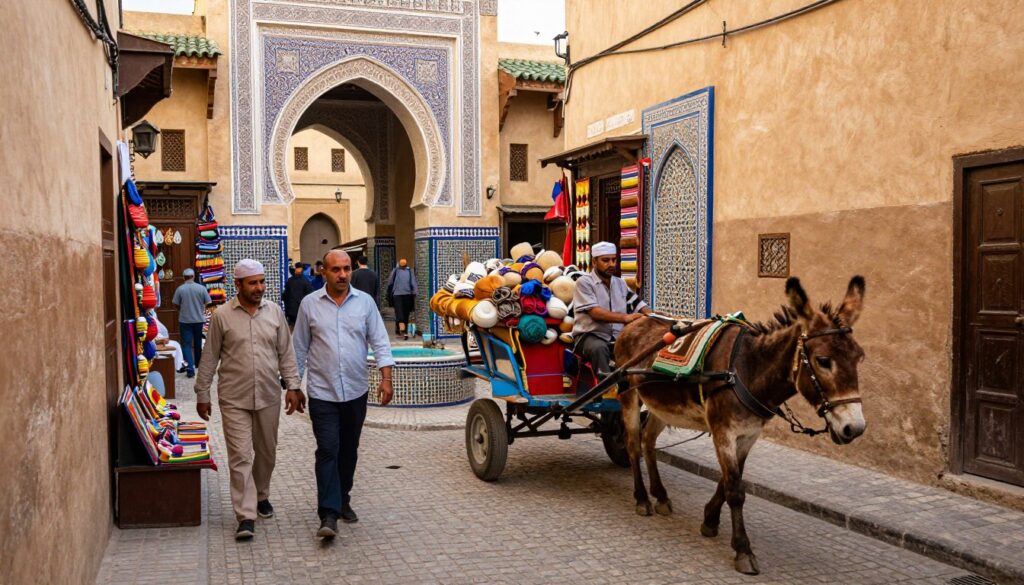
The Old Medina is famous for its local crafts and artisans. Walking through the narrow streets, you’ll find:
Woodworking and carpentry
Pottery and ceramics
Textiles and weaving
Many artisans invite visitors into their workshops. Here, you can see their craft and buy unique, handmade items.
Tips for Navigating the Narrow Streets
Exploring the Old Medina can be tricky, but with some tips, you’ll do great:
Get a map or guide to help you find your way
Wear comfy shoes, as you’ll be walking a lot
Be ready to haggle when shopping at the souks
With these tips, you’ll explore the Old Medina with ease and enjoy everything it offers.
Must-Visit Historical Sites in Fes
Exploring Fes, you’ll find many historical landmarks. These sites show the city’s deep cultural roots. Fes mixes old traditions with history, making it a great place to visit. If you’re looking for Fes travel advice or planning your Fes vacation planner, knowing these sites is key.
Bou Inania Medersa
Bou Inania Medersa is a standout in Fes. Built in the 14th century, it’s famous for its stunning architecture and details. It’s not just a historical site but also a spiritual center. Visitors can see the amazing zellij tile work and peaceful courtyards.
Al Quaraouiyine University
Al Quaraouiyine University is a historical treasure in Fes. It’s one of the oldest universities worldwide, founded in 859 AD. It’s known for its unique architecture and attracts scholars from everywhere. For Fes travel advice, visiting this university is essential.
Bab Boujloud Gate
Bab Boujloud Gate is the main entrance to Fes’s old medina. It’s known for its colorful tiles and leads to the medina’s narrow streets. It’s a favorite spot for both tourists and locals, giving a peek into Fes’s history. Make sure to visit this iconic gate when planning your Fes vacation planner.
In summary, Fes is a city full of history and culture. By visiting these landmarks, you’ll understand the city’s heritage better. Your trip will be filled with unforgettable memories.
Culinary Delights: Savoring Fes’ Unique Flavors
Start a food adventure in Fes, where every meal celebrates Moroccan tastes and welcome. The city’s food scene shows off its rich culture. It mixes Berber, Arab, and Mediterranean flavors.
Traditional Dishes to Try
Fes is famous for its tasty dishes. They’re made with spices and fresh stuff. You should try:
Tagine: A slow-cooked stew cooked in a special pot.
Couscous: A North African dish from semolina flour, with veggies and meat.
Harira: A warm soup with tomatoes, lentils, and chickpeas.
Popular Dining Spots
Fes has many places to eat, from old riads to new restaurants. Check out these spots:
Restaurant
Cuisine
Location
Dar Roumana
Moroccan
Old Medina
Le Palais de Fes
French-Moroccan
Near Bab Boujeloud
Café Clock
International
Old Medina
Food Tours and Culinary Classes
Join a food tour or cooking class to learn more about Fes’ food. These activities let you try cooking traditional dishes and learn about local ingredients.
Some recommended food tours include:
A guided tour of the souks, tasting local treats and spices.
A cooking class where you can make traditional Moroccan dishes.
A visit to local food markets to see fresh produce and handmade goods.
The Souks of Fes: A Shopper’s Paradise
The souks of Fes are filled with traditional and modern items. They offer a shopping experience you won’t forget. Walking through the narrow alleys, you’ll see a world of colors, sounds, and smells.
Best Souks to Explore
Fes has many souks, each with its own special goods. Some top places to visit are:
Souk el Attarine: Famous for its perfume and herbs.
Souk el Jeld: Offers a wide range of leather products.
Souk el Khemis: A lively market with fresh produce and crafts.
Bargaining Tips for Shoppers
Bargaining is key in Fes. Here are some tips to help you:
Research the market value of what you want to buy.
Be ready to haggle; it’s all part of the fun.
Begin with a lower offer than you’re willing to pay.
Souk Name
Specialty
Bargaining Level
Souk el Attarine
Perfumes and Herbs
Moderate
Souk el Jeld
Leather Goods
High
Souk el Khemis
Varied Goods
Moderate to High
Cultural Etiquette: Do’s and Don’ts in Fes
To fully enjoy Fes, learning local etiquette is key. Morocco, and Fes, is rich in culture and traditions. Knowing and respecting these customs can make your trip better.
Greeting Customs
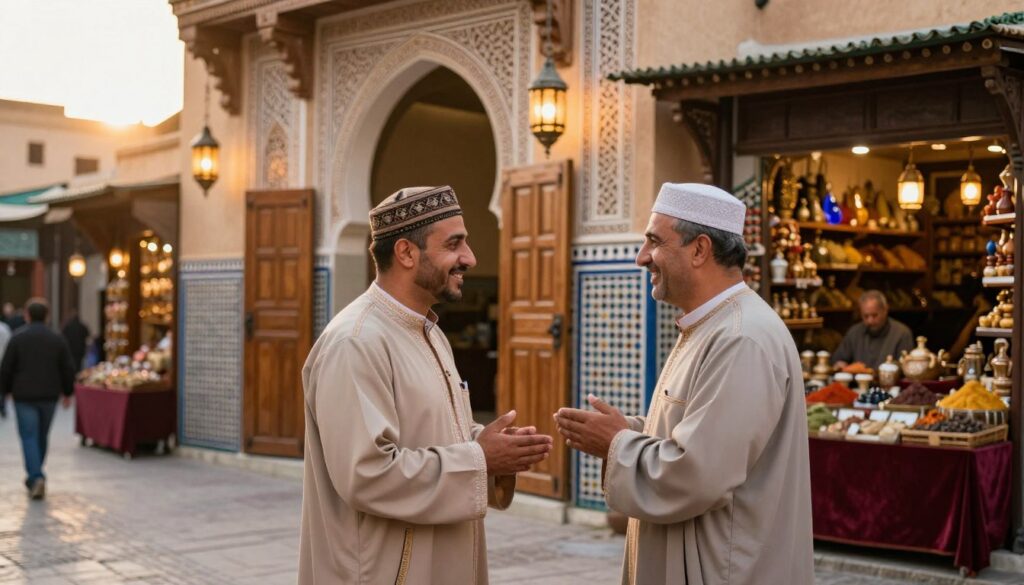
In Fes, greeting customs are rooted in Moroccan culture and Islam. Always use your right hand when giving or receiving something. This is because the left hand is seen as unclean.
A simple “As-salamu alaykum” (peace be upon you) is a good greeting. The response, “Wa alaykum as-salam” (and upon you be peace), is also important.
Be patient and don’t rush when talking to locals. Moroccans value hospitality and may take their time to chat before getting to business.
Dress Code Considerations
When in Fes, dressing modestly is a must. Women should cover their shoulders and knees, showing respect, mainly in mosques or government buildings. Men should also dress modestly, avoiding shorts and sleeveless shirts.
At religious sites, you’ll often need to remove your shoes. Keeping these dress code tips in mind helps you avoid offense and fit in with the local culture.
Etiquette Tip
Description
Greeting Locals
Use “As-salamu alaykum” and be prepared for a warm, potentially lengthy, welcome.
Dress Modestly
Cover shoulders and knees; avoid revealing clothing, specially at religious sites.
Respect for Religion
Remove shoes when entering mosques or religious buildings.
By following these etiquette tips, you show respect for local customs and make your trip to Fes more rewarding. Whether you’re exploring the medina, visiting historical sites, or meeting locals, being aware of these customs will enhance your experience.
Festivals and Events in Fes
Fes is a city that loves to celebrate. It has a full calendar of festivals and events. These show off its rich culture. When you visit, you’ll find something exciting happening, like a sacred music festival or a food celebration.
Fes Festival of World Sacred Music
The Fes Festival of World Sacred Music is a big deal in Fes. Musicians from all over the world come to play sacred music. This festival celebrates music’s power to bring people together, no matter their culture or faith.
The festival fills Fes’ ancient streets and historic places with music. You’ll hear everything from Moroccan chants to classical music. It’s an experience you won’t forget.
Tanjia Festival
The Tanjia Festival is all about Fes’ food. Tanjia is a slow-cooked dish in a clay pot. The festival lets you try this dish and others, with cooking demos, workshops, and cultural shows.
When you plan your Fes travel itinerary, check the festival dates. Attending these events will make your visit to Fes even more special. You’ll get to dive deep into the local culture and community.
Fes has something for everyone, whether you love music, food, or just enjoying the vibe. These festivals are a must-see part of your Fes Morocco tourism journey.
Getting Around Fes: Transportation Options
Getting around Fes is easy with the right info. The city’s old medina and areas around it are easy to reach. This ensures you enjoy your visit fully.
Public Transport and Taxis
Fes has a good public transport system. It includes buses and taxis. Buses cover most of the city, making travel without a car simple.
Grands Taxis, Mercedes sedans, run on set routes. You can hail them on the street or at taxi stands. For shorter trips, Petits Taxis offer a private service.
Transport Type
Description
Cost
Grands Taxis
Shared taxis operating on fixed routes
Approximately 5-10 MAD per person
Petits Taxis
Private taxis for shorter journeys
Approximately 10-20 MAD per ride
Public Buses
Covering most areas of the city
Approximately 3-5 MAD per ride
Walking and Guided Tours
Walking is great for exploring Fes, like the old medina. The streets are lined with history, souks, and culture. For a better experience, join a guided tour.
Guided tours offer insights into history and culture. They help you find your way in the medina’s alleys.
Wear comfy shoes and drink water when walking. Guided tours can focus on what interests you, like history or food.
Accommodation Options: Where to Stay in Fes
Fes has many places to stay, from fancy hotels to cozy riads. Whether you’re using a Fes travel blog or a vacation planner, picking the right place is key for a great trip.
Luxury Hotels in the Heart of Fes
The Old Medina of Fes is not just a historical site. It’s also where you’ll find some of the city’s most luxurious hotels. These hotels mix traditional Moroccan style with modern comforts, perfect for those wanting luxury.
Top Luxury Hotels:
The Royal Palace Hotel
Hotel Riad Fes
Palais de Fes
Unique Riads and Guesthouses
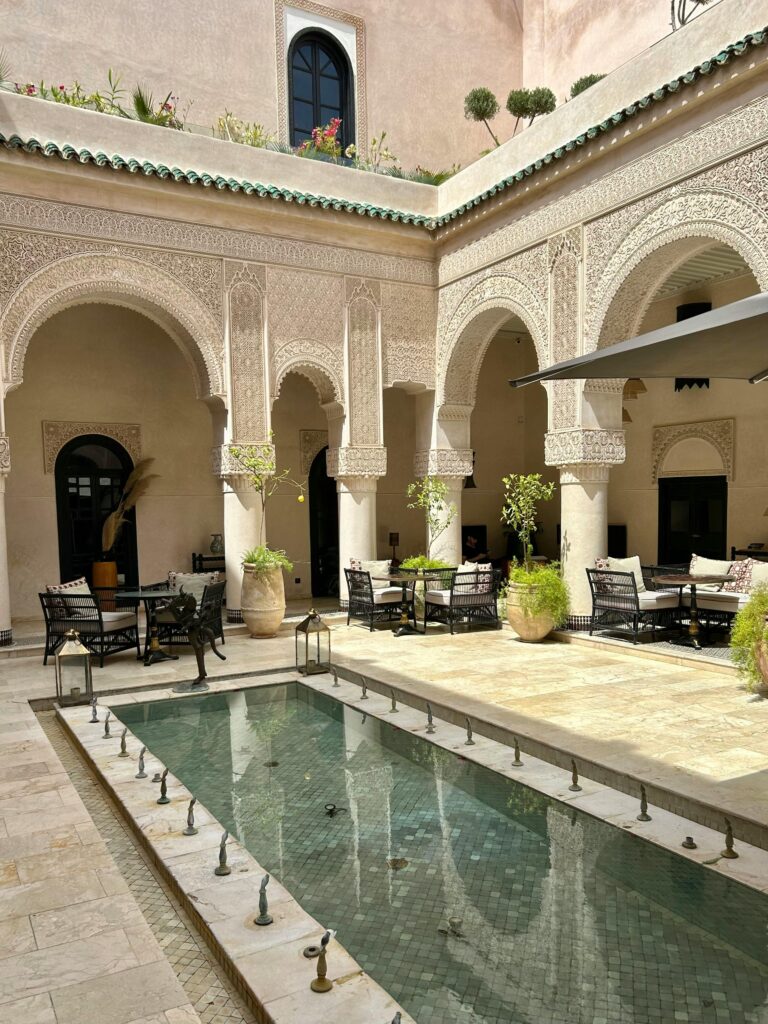
If you want a real Moroccan experience, Fes is the place. Its riads and guesthouses offer a peaceful vibe. They have beautiful rooms and suites, set in traditional Moroccan houses with gardens.
Popular Riads and Guesthouses:
Name
Location
Features
Riad Yacout
Old Medina
Beautiful garden, rooftop views
Kasbah Tamadot
Near the Old Medina
Luxurious rooms, pool
Riad 11
Ziatine Quarter
Charming decor, friendly staff
Think about what you want from your stay. Some riads offer half-board or full-board options. Others might have cooking classes or guided tours. Whether you’re using a Fes vacation planner or planning on your own, these places will make your trip unforgettable.
Day Trips from Fes: Exploring the Surrounding Areas
Fes is full of history and culture, but the areas around it are just as exciting. You can see historic cities, ancient ruins, and beautiful landscapes in just a day. This guide will help you find the best day trips from Fes, so you can make the most of your time in Morocco.
Meknes: A Day Trip Worth Taking
Meknes is another must-see city near Fes. It has a rich history, with Roman ruins, Islamic architecture, and lively markets. You can see the stunning Bab Mansour gate, explore ancient Roman sites, and enjoy the calm of this less crowded city.
Here are some tips for your Meknes day trip:
Take the train from Fes to Meknes for a quick and easy trip.
See the historic sites early to avoid the heat and crowds.
Try local food for lunch to experience Meknes’ true flavors.
Exploring the Roman Ruins of Volubilis
A trip to Volubilis is like stepping back in time. This UNESCO World Heritage Site has some of the best Roman ruins in North Africa. You can walk the ancient streets, see the mosaics, and visit the Roman basilica and capitol.
Here’s a comparison of the day trips to Meknes and Volubilis:
Location
Main Attractions
Travel Time from Fes
Meknes
Bab Mansour gate, Historic Medina
Approximately 1 hour by train
Volubilis
Roman Ruins, Mosaics, Ancient Streets
Approximately 1.5 hours by car or tour
Conclusion: Embracing the Magic of Fes
As you finish your trip to Fes, you now understand the city’s deep history and culture. Your travels likely included the Old Medina, a UNESCO World Heritage Site. You also got to taste the city’s unique flavors and explore lively souks.
The Bou Inania Medersa, Al Quaraouiyine University, and Bab Boujloud Gate are unforgettable. So are the traditional Moroccan dishes and the kindness of local artisans. Whether solo or with a guide, Fes has touched your heart deeply.
When planning your next trip or sharing your stories, the Fes Travel Guide is here to help. Fes is waiting for you, eager to show you more of its wonders.
Is Morocco safe? Are you considering a trip to Morocco but wondering if it’s a safe destination for your next adventure? You’re not alone. Many travelers have concerns about visiting this North African country, known for its rich culture, vibrant markets, and stunning landscapes.
As you plan your journey, it’s natural to have questions about travel safety. Morocco has been a popular destination for tourists, attracting millions of visitors each year. But like any other country, it’s not immune to challenges.
In this guide, we’ll explore the current safety situation in Morocco, providing you with valuable insights and practical tips to ensure a smooth and enjoyable trip. Whether you’re looking to explore bustling cities or relax on serene beaches, we’ll help you navigate the essentials of traveling in Morocco with confidence.
Morocco Safety Overview
As you plan your trip to Morocco, understanding the current safety landscape is crucial for a smooth and enjoyable journey. Morocco’s safety situation is influenced by various factors, including political stability, crime rates, and the risk of terrorism.
Current Safety Situation in 2025
Morocco has generally been considered a stable country in the region. Let’s examine the key aspects:
Political Stability
Morocco is a constitutional monarchy with a relatively stable political environment. The government has been proactive in maintaining security and addressing potential threats.
Terrorism Risk Assessment
While the risk of terrorism exists, as it does in many countries, Morocco has taken significant measures to counter terrorist activities. The government has implemented robust security measures, especially in tourist areas.
General Crime Statistics
Crime rates in Morocco are relatively moderate. Petty crimes such as pickpocketing and scams are more common in crowded areas and tourist hotspots.
Crime Type
Rate (per 100,000)
Trend
Petty Theft
450
Increasing
Violent Crime
120
Stable
Scams
200
Decreasing
Government Travel Advisories
Several governments have issued travel advisories for Morocco, generally advising caution, especially in certain areas. It’s essential to check the latest advisories from your government before traveling.
By staying informed about the current safety situation, you can better prepare for your trip to Morocco and enjoy the rich experiences the country has to offer.
Is Morocco Safe for Tourists?
Traveling to Morocco can be a thrilling experience, but safety should always be a top priority. As you plan your trip, understanding the safety landscape is crucial for a enjoyable journey.
Tourist-Specific Safety Concerns
Tourists in Morocco often face specific safety concerns that are different from those encountered by locals. Being aware of these issues can help you navigate the country more safely.
Common Incidents Reported by Tourists
Some common incidents reported by tourists include petty theft, scams, and harassment. Petty theft, such as pickpocketing, is common in crowded areas and tourist hotspots. To minimize the risk, keep your valuables secure and be mindful of your surroundings.
Scams targeting tourists can range from overpriced goods to more sophisticated schemes. Always research the market value of goods and services before making a purchase, and be cautious of overly friendly strangers.
Tourist Police Presence
Morocco has a dedicated tourist police force in major cities and tourist areas. These officers are trained to assist visitors and provide help when needed. Knowing that there is a visible police presence can enhance your sense of security.
Popular Tourist Destinations and Their Safety
Popular destinations like Marrakech, Fez, and Rabat are generally considered safe for tourists, with a strong police presence. However, it’s essential to remain vigilant, especially in crowded areas.
Marrakech: Be cautious of aggressive vendors and pickpocketing in the Medina.
Fez: Watch out for scams and be mindful of your belongings in crowded areas.
Rabat: Generally safe, but be aware of your surroundings at night.
Safety Comparison with Other North African Countries
Compared to other North African countries, Morocco is considered relatively safe. The country’s stability and tourist infrastructure contribute to its safety. However, as with any travel, it’s crucial to stay informed and take necessary precautions.
By understanding the specific safety concerns and taking appropriate measures, you can have a safe and enjoyable trip to Morocco.
Regional Safety Guide: Where to Go and Where to Be Cautious
Morocco’s diverse geography and culture mean that safety can vary significantly from one region to another. As you plan your itinerary, understanding these regional differences is key to a safe and enjoyable trip.
Major Cities
Morocco’s major cities are generally bustling with activity, and while they offer a lot to visitors, they also have their own safety concerns.
Marrakech Safety Profile
Marrakech is known for its vibrant markets and rich cultural heritage. However, it’s also a hotspot for pickpocketing and scams. Be cautious in crowded areas like Jemaa el-Fnaa and be prepared to haggle in markets.
Casablanca Safety Profile
Casablanca, Morocco’s economic hub, is generally considered safe, especially in areas like the Corniche. However, petty theft can occur, so remain vigilant with your belongings.
Fes Safety Profile
Fes, with its ancient medina, is a UNESCO World Heritage site. The narrow streets can be confusing, and there are instances of harassment. Stay aware of your surroundings and keep your belongings secure.
Coastal Areas and Beach Towns
Coastal areas like Essaouira and Taghazout are popular for their relaxed atmosphere and beautiful beaches. These areas are generally considered safe, but it’s still important to be mindful of your belongings, especially in crowded beach areas.
Rural and Mountain Regions
Rural and mountain areas, such as the Atlas Mountains, offer stunning landscapes and traditional Berber communities. While generally safe, these areas can be challenging to navigate due to limited infrastructure. Consider hiring a local guide for treks and excursions.
Desert Excursions
Desert excursions, like those to Merzouga or Zagora, can be an exhilarating experience. Ensure you go with reputable tour operators who provide necessary safety equipment and guides.
https://www.youtube.com/watch?v=VJPme2W5o50
Region
Safety Profile
Precautions
Marrakech
High tourist traffic, risk of scams
Be cautious in crowded areas, haggle carefully
Casablanca
Generally safe, petty theft possible
Remain vigilant with belongings
Fes
Narrow streets, potential harassment
Stay aware of surroundings, secure belongings
Coastal Areas
Relaxed, safe, petty theft possible
Mind belongings, especially in crowded areas
Rural/Mountain
Generally safe, challenging navigation
Hire local guides for treks
Desert Excursions
Exhilarating, potential for getting lost
Go with reputable tour operators
Common Safety Concerns in Morocco
As you plan your trip to Morocco, it’s essential to be aware of the common safety concerns that could impact your travel experience. While Morocco is generally a safe country to visit, there are certain issues that travelers should be cautious about.
Petty Theft and Pickpocketing
Petty theft and pickpocketing are common crimes in Morocco, particularly in crowded areas and tourist hotspots. Being mindful of your belongings can significantly reduce the risk of becoming a victim.
High-Risk Areas
Popular tourist destinations like Marrakech’s Jemaa el-Fnaa and busy medinas are hotspots for pickpocketing. Keep a close eye on your belongings, especially in crowded markets and public transportation.
Prevention Strategies
To minimize the risk of petty theft, use a money belt, keep your valuables secure, and be cautious of distractions. Consider using a bag with secure closures and keep it in front of you in crowded areas.
Scams Targeting Tourists
Scams are another safety concern in Morocco, with various schemes designed to deceive unsuspecting tourists. Being aware of these scams can help you avoid falling victim.
Common Scam Scenarios
Common scams include overly friendly locals offering unsolicited help, fake guides, and rigged exchange rates. Be wary of anyone approaching you with unsolicited offers or deals that seem too good to be true.
How to Avoid Being Scammed
To avoid being scammed, research reputable tour operators and guides, and be cautious of deals that seem unusually favorable. Always verify the authenticity of exchange rates and beware of distractions.
Harassment Issues
Harassment can be a concern for travelers, particularly solo females. Understanding local customs and dressing modestly can help minimize unwanted attention.
Safety Concern
Prevention Strategies
Response Actions
Petty Theft
Use a money belt, secure valuables
Report to local police, contact your embassy
Scams
Research reputable guides, verify deals
Refuse to engage, report to authorities
Harassment
Dress modestly, understand local customs
Firmly decline, seek help from local authorities or your hotel
Transportation Safety in Morocco
When traveling in Morocco, understanding your transportation options is crucial for a safe and enjoyable experience. Morocco offers a variety of transportation methods, each with its own safety considerations.
Taxis and Ride Services
Taxis are a popular mode of transportation in Morocco’s cities. There are two main types: Petit Taxi and Grand Taxi.
Petit Taxi vs. Grand Taxi
Petit Taxis are smaller vehicles that operate within city limits. They are metered, making it easier to gauge your fare. Grand Taxis, on the other hand, are larger vehicles that often serve inter-city routes or are used for longer trips. They usually require negotiating a fare beforehand.
Always use the meter in Petit Taxis or agree on the fare before you start your journey.
Be cautious of scams, especially in tourist areas.
Ride-Hailing Apps
Ride-hailing apps like Careem and Uber are available in major Moroccan cities, offering a safe and convenient alternative to traditional taxis.
Download the app before you travel to Morocco.
Verify the driver’s details and the car’s license plate before getting in.
Public Transportation
Morocco has an extensive network of buses and trains connecting major cities. While generally safe, be mindful of your belongings, especially in crowded areas.
Driving in Morocco
Road Conditions
Moroccan roads vary in quality. Major highways are generally in good condition, but rural roads can be challenging.
Be prepared for aggressive driving and chaotic traffic in cities.
Use reputable car rental agencies and ensure the vehicle is in good condition.
Traffic Rules and Enforcement
Morocco has strict traffic laws, but enforcement can be inconsistent. Always wear a seatbelt, and be aware of local driving customs.
Train Travel Safety
Trains are a safe and comfortable way to travel between cities. The national railway company, ONCF, operates modern trains with good safety records.
Keep your belongings secure.
Follow safety instructions provided by railway staff.
By being informed and cautious, you can navigate Morocco’s transportation system safely and enjoy your travels.
Safety Tips for Women Travelers
As a woman traveling to Morocco, it’s essential to be aware of the cultural nuances and safety tips to ensure a smooth journey. Morocco can be a fascinating and enriching destination, with its vibrant culture and stunning landscapes.
Cultural Considerations for Women
Understanding local customs is crucial. Moroccan culture is conservative, and women are expected to dress modestly. This not only shows respect for the local culture but also helps in avoiding unwanted attention.
Dress Code Recommendations
Dressing modestly is key. Cover your shoulders and knees to blend in with the local culture.
City vs. Rural Dress Expectations
In cities like Marrakech and Rabat, you’ll find a more relaxed atmosphere, but it’s still important to dress conservatively. In rural areas, the dress code is even more conservative, so it’s advisable to cover more.
Religious Site Attire
When visiting mosques or other religious sites, ensure you’re dressed appropriately. Often, you’ll need to cover your head and remove your shoes.
Solo Female Travel Advice
For solo female travelers, Morocco can be a bit challenging, but with the right precautions, it’s manageable. Consider staying in well-reviewed accommodations and being mindful of your surroundings, especially at night.
Accommodation Safety
Choose hotels or riads that have good security and are located in safe areas. Researching and reading reviews can help.
Nighttime Safety Precautions
Avoid walking alone at night in unfamiliar areas. Instead, opt for reputable taxi services or ride-sharing apps when you need to travel in the evening.
LGBTQ+ Safety in Morocco
As an LGBTQ+ traveler, understanding Morocco’s complex attitude towards your community is crucial for a safe trip. Morocco’s laws and cultural norms can be challenging for LGBTQ+ individuals.
Legal Status and Cultural Attitudes
Same-sex relationships are illegal in Morocco, and the cultural attitude is generally conservative. This can lead to discrimination and harassment.
Practical Safety Advice
To stay safe, be cautious with public displays of affection and avoid discussing your sexual orientation openly.
Public Behavior Guidelines
Be mindful of your surroundings and avoid behaviors that could attract unwanted attention.
Dating App Precautions
Exercise caution when using dating apps, as they can be breeding grounds for scams or harassment.
LGBTQ+ Friendly Spaces
Some cities have more open-minded areas, such as certain cafes or neighborhoods in Marrakech.
Health and Medical Safety
As you plan your trip to Morocco, understanding the health and medical safety landscape is crucial. Morocco, like many countries, has its unique set of health concerns that travelers should be aware of to ensure a safe and enjoyable journey.
Recommended Vaccinations
Before traveling to Morocco, it’s advisable to consult your healthcare provider about recommended vaccinations. Typically, vaccinations for hepatitis A, hepatitis B, and typhoid are suggested. Depending on your travel plans, other vaccinations might be necessary.
Food and Water Safety
Food and water safety are critical to avoiding illnesses in Morocco. It’s recommended to drink bottled or filtered water and avoid consuming undercooked meat or raw vegetables.
Street Food Guidelines
While street food is a significant part of Moroccan culture, it’s essential to choose stalls that are popular and have a high turnover of food to minimize the risk of foodborne illnesses.
Water Purification Methods
If you’re concerned about water safety, consider using water purification tablets or a portable filter. Boiling water is also an effective method to ensure it’s safe to drink.
Healthcare Facilities
Morocco has a range of healthcare facilities, from basic clinics to modern hospitals, especially in major cities like Marrakech and Casablanca.
Urban vs. Rural Healthcare Access
While urban areas have well-equipped hospitals, rural areas may have limited access to quality healthcare. It’s crucial to have a plan for emergency medical evacuations if needed.
Pharmacy Services
Pharmacies are widely available in Morocco, and pharmacists can offer advice on minor ailments and treatments. However, it’s always a good idea to bring any necessary prescription medications with you.
Travel Insurance Recommendations
Having comprehensive travel insurance that covers medical emergencies is highly recommended. Ensure your policy includes coverage for evacuations and repatriation.
Health Consideration
Recommendation
Vaccinations
Hepatitis A, Hepatitis B, Typhoid
Water Safety
Drink bottled or filtered water
Street Food
Choose popular stalls with high food turnover
Healthcare
Urban areas have modern hospitals; consider evacuation insurance
Natural Hazards and Weather Considerations
As you plan your trip to Morocco, it’s essential to consider the country’s natural hazards and weather conditions. Morocco’s diverse geography, from the Atlas Mountains to the Sahara Desert, makes it prone to various natural hazards.
Seasonal Weather Patterns
Morocco experiences a range of climates, from Mediterranean to desert conditions. Understanding these seasonal patterns can help you prepare.
Summer Heat Precautions
Summer months can be extremely hot, especially in the desert regions. Stay hydrated and avoid traveling during the hottest part of the day.
Winter Travel Considerations
Winters can be cold, particularly in the mountains. Pack accordingly to stay warm.
Desert Safety
The Sahara Desert is a popular destination, but it poses significant risks. Ensure you’re well-prepared with sufficient water, a reliable guide, and a means of communication.
Earthquake Risk
Morocco is located in a seismically active region. Familiarize yourself with earthquake safety procedures and know the evacuation routes in your accommodation.
Natural Hazard
Precautions
Summer Heat
Stay hydrated, avoid midday travel
Desert Travel
Carry sufficient water, reliable guide
Earthquakes
Know safety procedures, evacuation routes
Cultural Etiquette for Safety
Cultural sensitivity can significantly enhance your safety while exploring Morocco’s vibrant cities and landscapes. Understanding and respecting local customs is key to a harmonious and safe travel experience.
Religious Customs and Respect
Morocco is an Islamic country, and respecting religious customs is crucial. During Ramadan, the holy month of fasting, be mindful of locals who are fasting from dawn to sunset.
Ramadan Considerations
Avoid eating, drinking, or smoking in public during daylight hours. This shows respect for those fasting and helps you avoid drawing unnecessary attention.
Mosque Etiquette
When visiting mosques, dress modestly and remove your shoes before entering. Women should cover their hair as a sign of respect.
Photography Etiquette
Always ask for permission before photographing locals, especially in rural areas or during religious ceremonies. Some people may consider being photographed intrusive or offensive.
Bargaining and Market Interactions
Bargaining is a common practice in Moroccan markets. Understand that it’s not just about the price; it’s an interaction.
Fair Negotiation Practices
Be respectful and fair in your negotiations. Start with a lower offer and gradually meet the seller at a mutually agreeable price.
Avoiding Confrontations
Stay calm and polite. If a negotiation becomes heated, it’s okay to walk away. This shows that you’re not interested in engaging in a confrontational transaction.
Emergency Preparedness and Resources
Understanding emergency preparedness and resources in Morocco can significantly enhance your travel experience. Being prepared for any situation ensures that you can enjoy your trip without unnecessary worries.
Emergency Contact Numbers
In case of an emergency, having the right contact numbers is crucial. Morocco has designated emergency numbers that you should be aware of:
Service
Number
Police
19
Fire Department
15
Ambulance
15
Embassy and Consulate Information
Your country’s embassy or consulate in Morocco can provide assistance in various situations. Make sure to register with them upon arrival to receive important safety and security updates.
Creating a Safety Plan
A safety plan is essential for any traveler. This includes:
Communication Protocols
Ensure that all members of your travel group have a means of communication, such as a local SIM card or a portable Wi-Fi hotspot.
Emergency Meeting Points
Designate a meeting point in case someone gets lost. This should be a well-known location that’s easy to find.
Digital Safety and Communication
In today’s digital age, staying connected is vital. Here are some tips:
SIM Cards and Connectivity
Consider purchasing a local SIM card for data and calls. Major providers include Maroc Telecom, Orange, and Inwi.
Data Privacy Tips
Be cautious when using public Wi-Fi networks. Consider using a VPN to secure your data.
Conclusion: Is Morocco Worth Visiting Despite Safety Concerns?
As you consider traveling to Morocco, the question of is Morocco safe inevitably arises. While it’s true that, like many countries, Morocco has its share of petty crime and scams, the overall experience for tourists is generally positive. By being aware of your surroundings, respecting local customs, and taking basic precautions, you can have a safe and enjoyable trip.
Morocco’s rich cultural heritage, stunning landscapes, and vibrant cities make it a compelling destination. From the bustling streets of Marrakech to the serene dunes of the Sahara, the country’s diverse attractions offer something for every traveler. When evaluating whether Morocco is safe for you, remember that informed travelers can minimize risks by staying up-to-date with local conditions and government advisories.
Ultimately, Morocco’s unique blend of tradition and modernity, coupled with its warm hospitality, makes it a worthwhile destination. By understanding the local safety landscape and taking necessary precautions, you can fully immerse yourself in the Moroccan experience, enjoying all that this fascinating country has to offer.
Are you ready to immerse yourself in a journey that combines the majesty of mountains, the serenity of the desert, and the beauty of the coast? Imagine exploring vibrant cities, relaxing on pristine beaches, and trekking through the Atlas Mountains. This 10-day journey through Morocco promises to be an unforgettable experience, blending culture, history, and natural beauty.
You’ll have the opportunity to experience the best of Morocco, from its rich cultural heritage to its breathtaking landscapes. With a well-planned itinerary, you’ll make the most of your trip, creating lifelong memories of your luxury travel in Morocco.
Planning Your Perfect 10 Day Morocco Adventure
Before diving into the vibrant culture and breathtaking landscapes of Morocco, it’s vital to plan your trip thoroughly. A well-planned journey ensures that you make the most of your time, enjoying a seamless blend of activities, cultural immersion, and relaxation.
Best Time to Visit Morocco
The best time to visit Morocco is during spring (March to May) or autumn (September to November), when the weather is mild and pleasant. These periods are ideal for exploring the bustling markets, hiking in the mountains, or simply enjoying the coastal breeze.
Essential Items to Pack
Packing the right gear is crucial for a comfortable and enjoyable trip. Consider the season and your planned activities when selecting your attire.
Weather-Appropriate Clothing
Morocco’s climate varies significantly from the cool Atlas Mountains to the hot Sahara Desert. Layered clothing is advisable to adjust to different conditions. Comfortable walking shoes are a must for exploring the medinas and historical sites.
Travel Gadgets and Accessories
Don’t forget to pack essential travel gadgets such as a universal power adapter, a portable charger, and a camera to capture the stunning landscapes and vibrant markets.
Visa Requirements and Travel Documents
Ensure you have the necessary travel documents, including a valid passport and any required visas. Check the latest visa requirements for Morocco well in advance of your trip to avoid any last-minute hassles.
Researching and booking a guided tour can also enhance your experience, providing valuable insights into Morocco’s rich history and culture.
Day 1-2: Exploring the Imperial City of Marrakech
The imperial city of Marrakech beckons you to discover its vibrant streets, historical landmarks, and cultural treasures. As you embark on your 10-day Morocco adventure, Marrakech serves as the perfect introduction to the country’s rich history and diverse landscapes.
Navigating the Vibrant Medina
Navigating Marrakech’s medina is an adventure in itself. The narrow alleys are lined with colorful souks, where you can find everything from handcrafted jewelry to traditional spices. To make the most of your visit, consider the following tips:
Wear comfortable shoes for walking
Bargain at the souks – it’s part of the experience
Explore the alleys without a map to discover hidden gems
Must-Visit Historical Sites
Marrakech is home to numerous historical sites that showcase its rich cultural heritage. Two of the most significant landmarks are the Bahia Palace and El Badi Palace.
Bahia Palace and El Badi Palace
The Bahia Palace, built in the 19th century, is a masterpiece of Islamic craftsmanship, featuring intricate woodwork and beautiful tilework. El Badi Palace, once a grand structure, now stands as a ruin, offering a glimpse into the city’s past glory.
Koutoubia Mosque and Gardens
Another must-visit site is the Koutoubia Mosque, the largest in Marrakech. Its serene gardens provide a peaceful escape from the bustling medina.
Evening Experience in Jemaa el-Fnaa Square
As the sun sets, Jemaa el-Fnaa Square comes alive with street performers, food stalls, and local musicians. It’s the perfect place to immerse yourself in Marrakech’s vibrant culture. Enjoy a traditional Moroccan dinner while watching the spectacle, and don’t forget to try some local street food.
Day 3: Journey to the High Atlas Mountains
On day three, you’ll venture into the majestic High Atlas Mountains, exploring traditional Berber villages and hiking through stunning landscapes. This day promises to be a highlight of your Morocco adventure, with breathtaking scenery and immersive cultural experiences.
Scenic Drive Through Berber Villages
The journey begins with a scenic drive through the High Atlas Mountains, winding through traditional Berber villages where you can glimpse the authentic rural life of Morocco. As you drive, the landscape unfolds with breathtaking vistas of mountains and valleys.
Hiking Opportunities in Toubkal National Park
For those eager to explore on foot, Toubkal National Park offers some of the most rewarding hiking opportunities in North Africa. You can trek to the summit of Jbel Toubkal, the highest peak in the region, or choose from a variety of trails that cater to different fitness levels.
Authentic Mountain Accommodation Options
After a day of exploring, you’ll relax in authentic mountain accommodations, where you can enjoy local cuisine and warm hospitality. These accommodations offer a tranquil retreat, allowing you to recharge for the adventures that lie ahead.
Day 4-5: Desert Adventure in the Sahara
As you venture into the Sahara Desert on days four and five, the majestic golden dunes of Merzouga await your arrival. This desert adventure is a highlight of your 10-day Morocco journey, offering a unique blend of natural beauty, cultural immersion, and thrilling activities.
Traveling to Merzouga’s Golden Dunes
The journey to Merzouga is an adventure in itself, taking you through varied landscapes until you reach the breathtaking dunes of the Sahara. Merzouga’s Erg Chebbi is one of Morocco’s most spectacular natural wonders, with dunes rising high above the surrounding landscape.
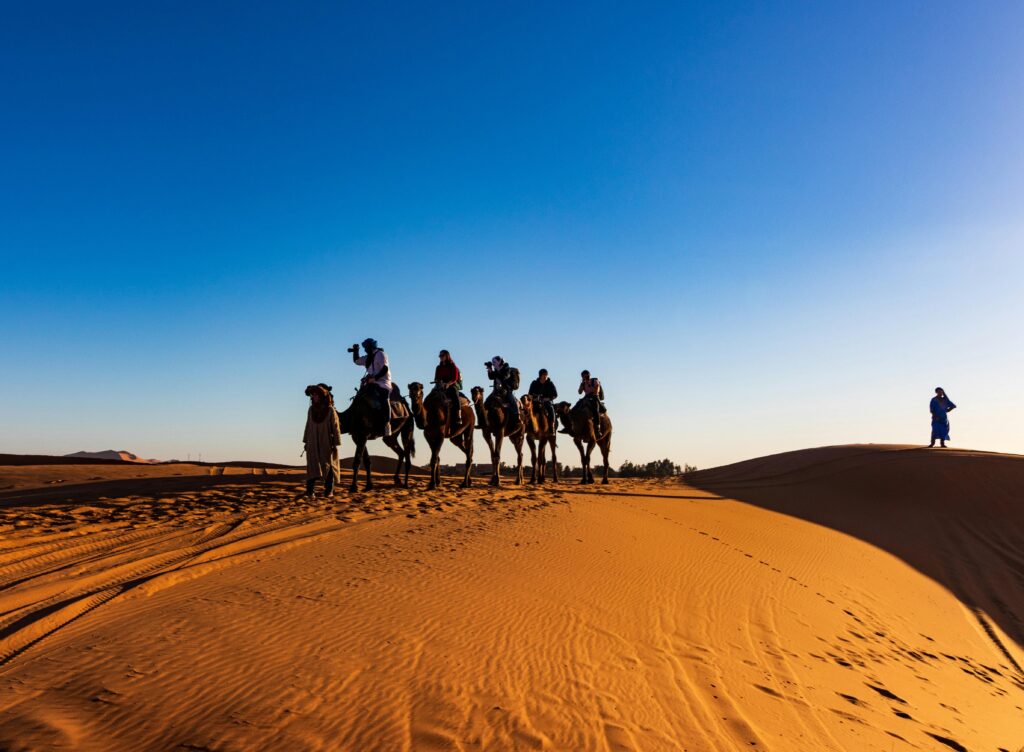
Camel Trekking Experience at Sunset
A camel trekking experience at sunset is a must-do activity in the Sahara. As you ride your camel, the changing colors of the sky and the shifting sands create a surreal atmosphere. This tranquil ride offers a unique perspective on the desert’s vastness and beauty.
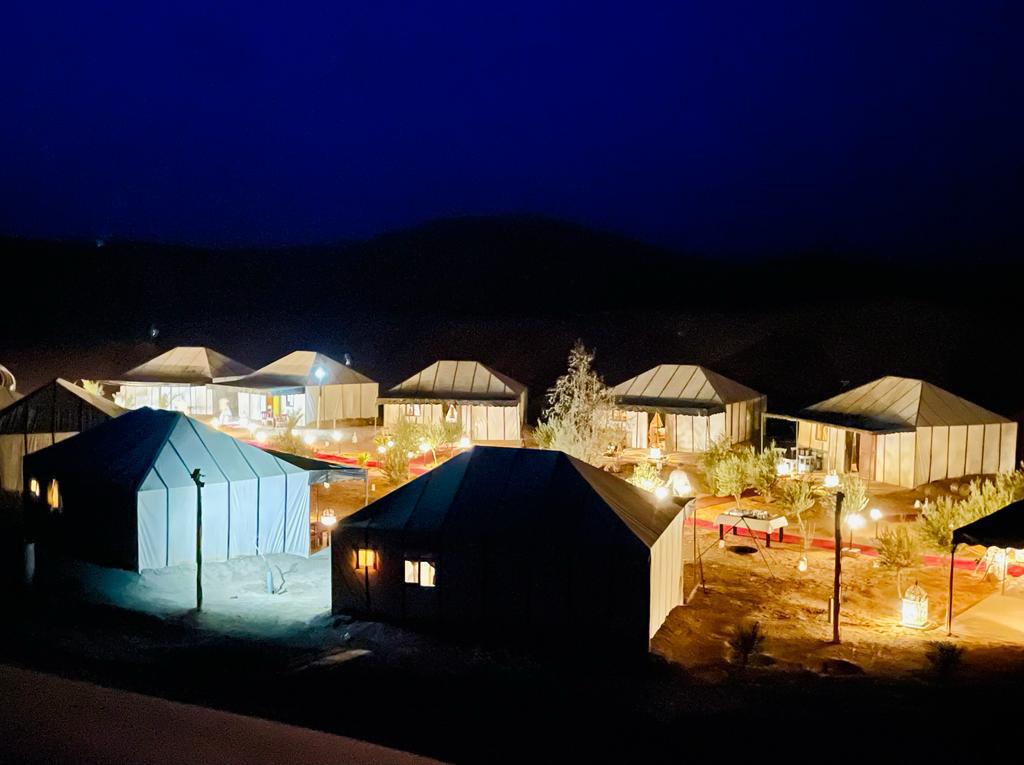
Overnight in a Traditional Desert Camp
After your camel trek, you’ll settle into a traditional desert camp, where you’ll enjoy warm hospitality and a range of activities. The camp offers a comfortable and authentic experience, with luxurious tents and local cuisine.
Stargazing in the Desert
One of the highlights of staying in a desert camp is the opportunity for stargazing. The clear desert skies offer a breathtaking view of the stars, making for an unforgettable night under the celestial canvas.
Berber Music and Cultural Performances
Enjoy Berber music and cultural performances at the desert camp, providing insight into the rich cultural heritage of the region. These performances are a vibrant expression of Berber traditions, adding to the memorable experience of your desert adventure.
Activity
Description
Highlights
Camel Trekking
Explore the Sahara dunes on camelback at sunset
Serene ride, breathtaking views
Stargazing
Enjoy the night sky in the desert’s clear atmosphere
Unparalleled stargazing experience
Berber Performances
Experience Berber culture through music and dance
Vibrant cultural expression
Day 6-7: Discovering Ancient Fes
Your 10-day Morocco adventure continues with a visit to Fes, a city that embodies the country’s rich heritage and spiritual essence. As you explore this ancient city, you’ll be immersed in a world of historical landmarks, vibrant markets, and traditional craftsmanship.
Navigating the World’s Oldest Medina
The medina of Fes is one of the largest and oldest in the world, a labyrinthine network of narrow streets and alleys that hide centuries-old secrets. As you navigate this historic area, you’ll discover hidden gems and experience the authentic atmosphere of old Morocco.
Take your time to get lost in the medina’s winding paths, where every turn reveals a new sight, sound, or smell, enriching your cultural immersion in Morocco.
Visiting Traditional Tanneries and Artisan Workshops
A visit to Fes is not complete without witnessing the traditional tanneries, where leather production has been a mainstay for centuries. You’ll observe artisans at work, using techniques passed down through generations, and gain insight into the craftsmanship behind Morocco’s renowned leather goods.
In addition to the tanneries, exploring the various artisan workshops will give you a deeper understanding of the local crafts, from woodworking to pottery, that contribute to Fes’s reputation as a hub of artisanal excellence.
Cultural Immersion in Morocco’s Spiritual Capital
Fes is not only a city of historical significance but also a spiritual heartland, with landmarks like the Al-Qarawiyyin University and Library serving as testaments to its religious and educational heritage.
Al-Qarawiyyin University and Library
As one of the oldest universities in the world, Al-Qarawiyyin is a place of reverence and learning, housing ancient manuscripts and texts that are a window into the past.
Local Customs and Interactions
Engaging with the local community in Fes offers a unique opportunity to understand the customs and daily life of its residents. From sharing meals to visiting local homes, you’ll experience the warmth and hospitality that Morocco is known for.
As you continue your journey, the memories of Fes’s ancient streets, vibrant markets, and spiritual sites will remain with you, enriching your overall Morocco itinerary.
Day 8: The Blue City of Chefchaouen
Your Morocco adventure continues on Day 8 with a visit to Chefchaouen, a gem nestled in the Rif Mountains. This charming town is famous for its blue-painted buildings, creating a surreal and picturesque landscape that captivates every visitor.
Exploring the Azure Streets
As you wander through the azure streets of Chefchaouen, you’ll be enveloped in a relaxed atmosphere that is a stark contrast to the bustling cities you’ve encountered earlier in your journey. Take your time to explore the narrow alleys, visit the local markets, and enjoy the tranquility of this beautiful town. Don’t miss the opportunity to visit the Kasbah, a historical fortress that now houses a museum and a garden, offering a glimpse into the region’s rich history.
Photography Tips for Capturing the Blue City
Chefchaouen is a photographer’s paradise, with its blue buildings providing a unique and captivating backdrop. To capture the essence of this blue city, consider visiting during the early morning or late afternoon when the soft light enhances the beauty of the scene. Experiment with different angles and compositions to add depth to your photos. Don’t forget to capture the local culture and people, as they add a rich layer of storytelling to your photographs.
As you explore Chefchaouen, remember that it’s not just a top destination in Morocco for its beauty, but also for its serene ambiance and cultural richness. Take your time, soak in the atmosphere, and enjoy the laid-back vibe of this enchanting town.
Day 9-10: Coastal Relaxation in Essaouira
After exploring the mountains and deserts, Essaouira offers a serene coastal retreat. You can spend your days relaxing on the beach, engaging in water sports, and exploring the historic medina and port. The laid-back atmosphere of Essaouira makes it an ideal place to unwind and enjoy the local seafood cuisine.
Beach Activities and Water Sports
Essaouira’s beaches are perfect for a range of activities. You can try your hand at windsurfing or kitesurfing, or simply relax on the sand. The town’s windy conditions make it a haven for water sports enthusiasts.
Windsurfing and kitesurfing
Swimming and sunbathing
Beach volleyball and other beach games
Exploring the Historic Medina and Port
The historic medina of Essaouira is a UNESCO World Heritage Site, filled with charming streets and historic buildings. You can explore the ramparts, visit the old port, and enjoy the local seafood at one of the many restaurants.
Seafood Culinary Experiences
Essaouira is renowned for its seafood, and you can enjoy a range of culinary experiences. From fresh fish to traditional Moroccan dishes, the local cuisine is a highlight of your visit.
Dish
Description
Price Range
Grilled Fish
Fresh catch of the day grilled to perfection
$15-$25
Tagine
Traditional Moroccan stew
$10-$20
Seafood Paella
A mix of seafood cooked in a savory rice dish
$20-$30
As you conclude your 10-day Moroccan adventure, Essaouira leaves a lasting impression with its relaxed atmosphere and rich culinary delights. Enjoy your final days in this charming coastal town.
Budgeting and Accommodation Options
Budgeting for your Morocco trip involves more than just choosing where to stay; it’s about experiencing the best of Morocco within your means. Morocco offers a wide range of accommodation options, from luxury riads to budget-friendly hostels, catering to various budgets and preferences.
Luxury Riads vs. Budget-Friendly Hostels
When it comes to accommodation, Morocco offers a diverse range. Luxury riads provide an opulent experience with traditional Moroccan architecture and high-end amenities. On the other hand, budget-friendly hostels are perfect for travelers looking to save money without compromising on the cultural experience. Your choice depends on your budget and what you’re looking for in your Morocco adventure.
Average Daily Costs and Money-Saving Tips
Understanding your average daily costs is key to budgeting effectively. Costs can vary based on your accommodation choices, food, and activities. To save money, consider bargaining in markets and opting for local transportation. Here’s a breakdown:
Bargaining in Markets
Bargaining is an art in Morocco. Be prepared to negotiate prices for souvenirs and goods. It’s a fun and interactive way to engage with local vendors.
Transportation Costs
Transportation costs can add up. Using public transport or shared taxis can be cost-effective. Consider the cost of private tours versus public transportation when planning your itinerary.
By being mindful of your expenses and making informed choices, you can enjoy a fulfilling Morocco trip without breaking the bank.
Transportation and Logistics Throughout Your Journey
As you embark on your 10-day Morocco adventure, understanding your transportation options is crucial for a seamless journey. Morocco’s diverse landscapes and attractions are spread across the country, making transportation a key aspect of your travel plans.
When considering how to get from one place to another, you have several options to choose from. The choice between private tours and public transportation depends on your preferences, budget, and the level of flexibility you desire.
Private Tours vs. Public Transportation
Private tours offer a convenient and personalized way to travel, allowing you to create a customized itinerary that suits your interests. On the other hand, public transportation is a cost-effective option that provides an authentic local experience.
Private Tours: Offers flexibility and personalized service, ideal for those who want to explore at their own pace.
Public Transportation: A budget-friendly option that allows you to interact with locals and experience the culture firsthand.
Hiring Local Guides: When and Why
Hiring local guides can significantly enhance your Morocco experience. They provide valuable insights into the culture, history, and hidden gems of the places you visit. Local guides are particularly useful when exploring complex cities like Marrakech or Fes, where their knowledge can help you navigate the medinas and discover local secrets.
By carefully planning your transportation and logistics, you can ensure a smooth and enjoyable journey through Morocco. Whether you opt for private tours or public transportation, and whether you decide to hire local guides, your adventure is sure to be memorable.
Conclusion: Making the Most of Your Moroccan Adventure
As you embark on your 10-day Morocco adventure, you’re not just visiting a country – you’re immersing yourself in a rich tapestry of cultures, landscapes, and experiences. From the majestic High Atlas Mountains to the vast Sahara Desert and the picturesque coastal towns, Morocco’s top destinations await your exploration.
To make the most of your Morocco travel, be sure to soak up the vibrant atmosphere in Marrakech’s Jemaa el-Fnaa Square, trek through the Berber villages, and relax on the beautiful beaches of Essaouira. With careful planning, you’ll be able to navigate the country’s diverse regions and enjoy the best of what Morocco has to offer.
As you travel through this incredible country, remember to engage with the local culture, try the delicious cuisine, and take time to appreciate the stunning natural beauty that surrounds you. With an open mind and a sense of adventure, your 10-day Morocco adventure will be an unforgettable experience, leaving you with memories of the top destinations in Morocco that will last a lifetime.
FAQ
What is the best time to visit Morocco for a 10-day adventure?
The best time to visit Morocco is during spring (March to May) or autumn (September to November), when the weather is mild and pleasant, making it ideal for exploring the diverse landscapes.
What should I pack for a 10-day Morocco trip?
Pack comfortable clothing, weather-appropriate attire, and necessary travel gadgets. Don’t forget to include essentials like sunscreen, a hat, and comfortable shoes for hiking and exploring.
Do I need a visa to travel to Morocco?
Check the visa requirements for your nationality before traveling to Morocco. Some countries have visa-free travel, while others may require a visa. Ensure your passport is valid for at least six months beyond your planned departure date.
What is the camel trekking experience like in the Sahara Desert?
The camel trekking experience in the Sahara Desert is a thrilling adventure, where you’ll ride camels across the golden dunes at sunset, enjoying the breathtaking views and serene atmosphere.
What are the must-visit historical sites in Marrakech?
Must-visit historical sites in Marrakech include Bahia Palace, El Badi Palace, and the Koutoubia Mosque, showcasing the city’s rich history and architectural heritage.
Can I customize my 10-day Morocco itinerary?
Yes, you can customize your 10-day Morocco itinerary to suit your preferences and interests. Consider working with a local guide or tour operator to create a personalized journey.
What are the accommodation options in Morocco?
Morocco offers a range of accommodation options, from luxury riads to budget-friendly hostels. Choose accommodations that suit your budget and preferences, and consider staying in traditional riads for an authentic experience.
How do I get around Morocco during my 10-day adventure?
You can get around Morocco using private tours, public transportation, or a combination of both. Hiring local guides can also enhance your experience, providing valuable insights and knowledge.
What are some money-saving tips for traveling in Morocco?
Bargaining in markets, using public transportation, and being mindful of your daily expenses can help you save money during your 10-day Morocco adventure.
What is the cultural immersion like in Fes?
Fes offers a rich cultural immersion experience, where you can explore the world’s oldest medina, visit traditional tanneries and artisan workshops, and engage with local customs and interactions.
Are you ready to embark on a journey through Morocco’s diverse landscapes and cultures? Imagine exploring the historic medinas, experiencing the vibrant markets, and relaxing in the serene desert landscapes, all within a span of just 7 days.
This comprehensive travel guide is designed to take you through the best of Morocco, from the northern city of Tangier to the bustling streets of Marrakech. You’ll visit Chefchaouen’s blue-painted buildings, explore Fes’s ancient history, and enjoy the desert adventures that make Morocco a unique destination.
Experience the vibrant souks and markets of Marrakech
Enjoy desert adventures and relax in serene landscapes
Discover Morocco’s rich cultural heritage and history
Discovering the Magic of Morocco
Morocco is a place that grabs your attention. From the lively souks to the calm desert, it’s a mix of cultures and beauty. On your 7-day trip, you’ll see why Morocco is so special.
What Makes Morocco a Unique Destination
Morocco is known for its rich cultural heritage and lively cities. The historic medinas and markets are a sight to see. Plus, the natural beauty is stunning. You’ll find everything from ancient cities to the Sahara Desert.
Overview of the 7-Day Journey
This 7-day Morocco itinerary shows you the best spots. You’ll start in Tangier and end in Marrakech. Along the way, you’ll see different landscapes and cultures. With a guide, you’ll visit places most tourists miss, making your trip unforgettable.
Planning Your Perfect Morocco Itinerary
Planning your Morocco trip in advance is key to a stress-free journey. Morocco mixes traditional culture with modern life. It offers a wide range of experiences for travelers.
Best Time to Visit Morocco
The best times to visit Morocco are spring (March to May) and autumn (September to November). The weather is mild and pleasant during these periods. It’s perfect for exploring cities, historic sites, and natural landscapes.
Getting to Morocco from the US
Travelers from the US can fly into major Moroccan cities like Marrakech or Casablanca. Several airlines offer direct or connecting flights. Booking early helps get the best rates.
Visa Requirements and Entry Information
US citizens need a valid passport for Morocco, with at least six months’ validity beyond your departure date. A visa is not needed for stays up to 90 days. Always check the latest entry requirements before your trip.
Essential Travel Tips for Morocco
Before you head to Morocco, it’s important to know the local customs. Morocco is rich in culture. Understanding a few key points can make your trip better.
Currency and Money Matters
The official money in Morocco is the Moroccan dirham (MAD). Even though some places take credit cards, cash is more common. It’s best to have some dirhams ready when you arrive or get them from ATMs.
Language Basics
Arabic is the main language, but French is common in tourist spots. Knowing basic Arabic phrases like “hello” (مرحبا – marhaba) and “thank you” (شكرا – shukraan) shows respect.
Cultural Etiquette to Know
Morocco is a conservative place. Wear modest clothes, even in tourist areas. Avoid showing too much affection in public.
Is Morocco Safe for Travelers?
Morocco is mostly safe for visitors. But, it’s wise to stay alert and keep your valuables safe. This way, you can have a worry-free trip.
Tip
Description
Respect Local Customs
Dress modestly and avoid public displays of affection.
Learn Basic Arabic Phrases
Show respect by greeting locals with “marhaba” (hello).
Be Mindful of Your Belongings
Keep valuables secure, even in crowded places.
Transportation Options for Your Morocco Itinerary
Choosing the right transportation in Morocco is key to a great trip. As you plan your Morocco itinerary, knowing your options is important.
Getting Around Between Cities
There are many ways to travel between cities in Morocco. Trains are a good choice for long trips. They are comfortable and fast. The ONCF train connects places like Marrakech, Fes, and Tangier.
Public Transportation vs. Private Tours
Public transport like buses and trains is cheap and runs often. But, private tours give you a more personal experience. They’re great for seeing places not many tourists visit.
Hiring a Driver in Morocco
Hiring a driver is the most flexible and comfortable option. It’s perfect for groups or those with special interests. It makes seeing sights easy without worrying about roads.
Each way of traveling has its own benefits. The best choice depends on your trip plans and what you like.
Accommodation Guide for Your Moroccan Journey
Morocco has many places to stay, from cheap riads to fancy hotels. You can choose to live in a traditional Moroccan house or a modern hotel. There’s something for everyone.
Riads vs. Hotels
Riads are traditional Moroccan houses with gardens inside. They offer a unique cultural experience. Hotels have more amenities and services. Think about what you want when deciding between them.
Budget to Luxury Options
Morocco has something for every budget. You can find affordable riads and hotels in old cities or luxury resorts by the sea. There are many options to fit your budget.
Booking Tips and Recommendations
Book early, as it gets busy during peak times. Look up the best places in Morocco and read reviews. Think about the location and amenities to make your trip smooth.
Day 1: Arriving in Tangier – Gateway to Africa
When you arrive in Tangier, you’re not just entering Morocco. You’re stepping into a world where the Mediterranean meets the Sahara. Tangier, with its rich history and cultural significance, is the perfect start to your 7-day Moroccan adventure.
Exploring Tangier’s Historic Medina
The heart of Tangier is its historic Medina. It’s a maze of narrow streets filled with vibrant markets, historic landmarks, and cultural attractions. As you wander through the Medina, you’ll find the Grand Socco, a bustling square that connects the old city to the new.
Don’t miss the opportunity to explore the Kasbah, the old fortress. It now houses the Kasbah Museum, which offers insights into Tangier’s rich past.
Must-Visit Attractions in Tangier
Tangier is home to numerous attractions that showcase its unique blend of cultures. Some must-visit sites include:
The Cave of Hercules, a legendary cave with a fascinating history.
The American Legation Museum, a cultural center and museum that highlights the historical ties between the US and Morocco.
The Beachside Corniche, a scenic promenade perfect for a leisurely stroll or a relaxing afternoon by the sea.
Attraction
Description
Opening Hours
Cave of Hercules
A legendary cave with stunning views of the Atlantic Ocean.
9:00 AM – 5:00 PM
American Legation Museum
A museum showing the historical ties between the US and Morocco.
10:00 AM – 5:00 PM
Where to Eat and Stay in Tangier
Tangier offers a wide range of dining and accommodation options. For a truly local experience, dine at Dar El Jazeera, known for its delicious Moroccan cuisine. For accommodation, consider La Maison Arabe, a charming riad that offers a glimpse into traditional Moroccan hospitality.
As you conclude your first day in Tangier, you’ve experienced the city’s vibrant atmosphere. You’ve explored its historic sites and enjoyed its culinary delights. Your Moroccan journey has just begun, and the memories you’ve created in Tangier will be the start of an unforgettable adventure.
Day 2: Journey to Chefchaouen – The Blue Pearl
Your second day in Morocco starts with a drive to Chefchaouen, called the Blue Pearl. Leaving Tangier, you’ll see the Rif Mountains. These views make the trip as beautiful as the place you’re going to.
Transportation Options from Tangier
There are many ways to get from Tangier to Chefchaouen. You can take a private transfer, a public bus, or a guided tour. Private transfers are comfy and flexible. Public buses give you a real local feel. Guided tours add history and culture to your trip.
Exploring the Blue Streets of Chefchaouen
When you arrive, Chefchaouen’s blue buildings and narrow streets will amaze you. Take a walk through the medina. Enjoy the calm and take photos of the beautiful views.
Photography Spots and Local Experiences
Chefchaouen is great for photos, with its blue buildings, markets, and mountains. Make sure to see the Spanish Mosque viewpoint. Try local food and visit artisans to meet the locals.
Overnight in Chefchaouen
Chefchaouen has many places to stay, from simple guesthouses to fancy riads. Pick what you like and enjoy a calm night in this lovely town. Here’s a look at your options:
Accommodation Type
Price Range
Amenities
Guesthouse
$20-$50
Basic, Shared Bathroom
Riads
$80-$150
Luxury, Private Bathroom, Courtyard
After settling in, take time to enjoy Chefchaouen’s peaceful beauty. It’s a mix of rest and adventure.
“Chefchaouen is a gem in the Rif Mountains, with calm and culture.”
Traveler’s Review
Day 3: Fes – Morocco’s Cultural Capital
Leaving Chefchaouen, you head to Fes, Morocco’s cultural heart. Fes is filled with history, markets, and artisan workshops. It’s a key spot for travelers.
Traveling from Chefchaouen to Fes
The drive from Chefchaouen to Fes takes about 4 hours. You’ll see Morocco’s varied landscapes. When you arrive, Fes’s old buildings and history will impress you.
Navigating Fes El Bali (Old Medina)
Fes El Bali is a huge, ancient city. Walking its narrow streets, you’ll find mosques, markets, and craftsmen. Getting lost here is part of the fun.
Historical Sites and Artisan Workshops
Fes has many historical sites like the Al-Attarine Madrasa. You can also visit workshops where traditional crafts are made. It’s a chance to see old skills up close.
Dining Experiences in Fes
Fes is a food lover’s dream. Try local dishes at riads for a taste of Morocco. Must-try foods include tagines, couscous, and pastilla.
Dish
Description
Recommended At
Tagine
A slow-cooked stew made with meat, vegetables, and dried fruits, typically cooked in a clay pot.
Local Riads
Couscous
A traditional North African dish made from semolina flour, often served with vegetables and meat.
Traditional Moroccan Restaurants
Pastilla
A savory pie made with layers of flaky pastry, meat, onions, and spices.
Fine Dining Restaurants
In Fes, you’ll dive into the city’s culture. From landmarks to food, this day in Fes will be unforgettable. It’s a key part of your Morocco travel journey.
Day 4: Desert Adventure to Merzouga
Day 4 of your itinerary planner Morocco takes you to the Middle Atlas Mountains and Merzouga’s dunes. It’s a day filled with adventure and learning about local culture. You’re in for an unforgettable desert experience.
The Journey Through the Middle Atlas Mountains
The trip to Merzouga goes through the Middle Atlas Mountains. You’ll see valleys, cedar forests, and Berber villages. This drive is beautiful and prepares you for the desert. It also shows Morocco’s rich culture.
Camel Trek and Overnight in the Sahara
Riding camels across the Sahara dunes is a highlight. You’ll see the desert’s beauty as the sun sets. Then, you’ll stay in a desert camp, enjoying Berber food and the stars.
Berber Culture and Desert Experiences
Staying in the Sahara lets you learn about Berber culture. You can try local crafts and enjoy your hosts’ hospitality. The desert is more than its landscape; it’s about the culture and memories you make.
Day 5: Todra Gorge and Dades Valley
On the fifth day of your Morocco journey, you’ll see the amazing Todra Gorge and Dades Valley. After a morning in the desert, you’ll move to these natural wonders. You’ll dive into the stunning landscapes that make Morocco a best place to visit.
Morning in the Desert
Begin your day with a calm morning in the desert. Have a peaceful breakfast under the stars, then relax in your desert camp. This quiet start prepares you for a day of adventure and discovery.
Exploring Dramatic Landscapes
Traveling to Todra Gorge and Dades Valley, you’ll see incredible landscapes. Todra Gorge has tall cliffs and a lush oasis, perfect for hiking. Dades Valley offers views of Berber villages and amazing rock formations.
Accommodation Options in the Valley
After exploring, you can stay in local accommodations in the valley. Pick from cozy riads to luxury hotels, each showing off local culture and hospitality.
As you settle in, enjoy the natural beauty around you. Your visit to these Morocco attractions will be unforgettable.
Day 6: Ouarzazate and Ait Ben Haddou
Day 6 takes you to Ouarzazate, a city known for its ancient kasbahs and modern film studios. It’s called the “Gateway to the Desert.” This place is famous for its movie landscapes and history.
Visiting Morocco’s Famous Kasbah
One of the top spots is the Ait Ben Haddou kasbah, a UNESCO World Heritage site. This old city has been in many movies and TV shows, like “Game of Thrones” and “Gladiator.”
Film Studios and Cinema History
Ouarzazate has film studios like Atlas Studios. Here, you can see how movies are made. It’s a chance to see how Morocco is used in films.
The Drive Through the High Atlas Mountains
The trip to Ouarzazate goes through the High Atlas Mountains. You’ll see amazing views and Berber villages. It’s a journey that shows off Morocco’s beauty.
Attraction
Location
Highlights
Ait Ben Haddou Kasbah
Ouarzazate
UNESCO World Heritage site, Film locations
Atlas Studios
Ouarzazate
Cinematography, Film making process
High Atlas Mountains
En route to Ouarzazate
Scenic views, Berber villages
As you keep exploring Morocco, Ouarzazate and Ait Ben Haddou will give you memories of Morocco’s history and movie fame.
Day 7: Marrakech – The Red City Finale
Marrakech, known as the Red City, is your last stop on this incredible 7-day adventure through Morocco. It promises an unforgettable experience. You’ll find a mix of traditional and modern attractions that make Marrakech a must-visit destination.
Exploring Jemaa el-Fnaa and the Souks
Jemaa el-Fnaa, the famous square in Marrakech, is a sensory overload in the best possible way. By day, it’s a bustling marketplace where you can find everything from fresh orange juice to handmade crafts. As night falls, it transforms into a vibrant spectacle with street performers, musicians, and food stalls serving local delicacies. As one traveler aptly put it,
“Jemaa el-Fnaa is a feast for the senses, a place where the energy is palpable and the atmosphere is electric.”
Must-See Historical Sites
Marrakech is home to numerous historical sites that reflect its rich cultural heritage. The Bahia Palace, with its intricacy, and the Koutoubia Mosque, the largest mosque in Marrakech, are must-visit attractions. These sites not only provide insight into Morocco’s architectural history but also offer a glimpse into the country’s cultural and religious practices.
Shopping and Dining Experiences
Marrakech is renowned for its souks, or markets, where you can find a wide range of goods. From spices and textiles to jewelry and handicrafts, there’s something for everyone. When it comes to dining, Marrakech offers a diverse culinary experience. Be sure to try some local specialties like tagine or couscous, and don’t miss the opportunity to enjoy a refreshing mint tea, a staple in Moroccan culture.
Evening Activities in Marrakech
The evenings in Marrakech are just as enchanting as the days. You can enjoy a leisurely stroll through the illuminated streets of the Medina, watch a traditional dance performance, or relax in a rooftop bar with a panoramic view of the city. For a truly unique experience, consider taking a hot air balloon ride over Marrakech at sunrise or sunset, with breathtaking views of the city and its surroundings.
As you conclude your journey in Marrakech, you’ll likely find that the city’s vibrant atmosphere and rich cultural experiences have made it a memorable finale to your Morocco travel. While safety is always a consideration when traveling, Morocco has taken significant steps to ensure tourist safety. This makes it a welcoming destination for travelers from around the world. So, as you reflect on your journey, you’ll understand why Marrakech is often considered the heart of Morocco.
Conclusion
With this 7-day Morocco itinerary, you’re set to explore Morocco’s diverse landscapes and rich culture. You’ll see the historic medina of Tangier and the lively souks of Marrakech. Your journey will be filled with unforgettable experiences.
Plan your trip to dive into local traditions and taste Moroccan cuisine. Don’t miss the stunning views of the Sahara Desert. Morocco’s mix of African, Arab, and European influences will enchant you.
Follow this itinerary to make the most of your time and create lasting memories. So, pack your bags and get ready to discover Morocco’s magic.
FAQ
What is the best time to visit Morocco?
Spring (March to May) and autumn (September to November) are the best times. The weather is mild and perfect for exploring Morocco’s diverse regions.
How do I get to Morocco from the US?
You can fly to Morocco from the US with Royal Air Maroc, American Airlines, or Delta Air Lines. They offer direct or connecting flights to cities like Casablanca or Marrakech.
What are the visa requirements for Morocco?
US citizens don’t need a visa for tourism or business up to 90 days. You’ll need a valid passport with at least six months’ validity and proof of onward travel.
Is Morocco safe for travelers?
Morocco is generally safe for travelers. Just take normal precautions to protect yourself and your belongings, mainly in crowded areas and tourist spots.
What is the local currency in Morocco, and can I use credit cards?
The local currency is the Moroccan dirham (MAD). Credit cards are widely accepted in cities and tourist areas. But, it’s wise to have cash for smaller purchases and local markets.
What language is spoken in Morocco, and will I need to learn any phrases?
Arabic and French are official languages, but many speak English, too. Learning basic phrases like “hello” (marhaba) and “thank you” (shukraan) is helpful.
What are the best ways to get around Morocco?
You can travel by train, bus, or private car and driver. Trains are fast and convenient, while buses are more affordable.
What type of accommodation is best in Morocco?
Morocco has many options, from riads to hotels. Staying in a riad offers a unique and authentic experience.
What should I pack for my Morocco trip?
Pack comfortable clothes, sun protection, and layers for cooler evenings. Remember to include modest clothing for mosques or rural areas.
Can I use my credit cards and ATMs in Morocco?
Yes, credit cards are widely accepted, and ATMs are available. Just inform your bank of your travel plans to avoid card issues.
How do I stay safe while traveling in Morocco?
Protect yourself and your belongings by taking normal precautions. Be aware of your surroundings and avoid carrying too much cash.
What are the must-see attractions in Morocco?
Morocco has incredible attractions like Marrakech’s souks, Fes’ historic medina, and the stunning Sahara Desert.
Morocco’s landscapes are a traveler’s dream — from snow-capped mountains and green valleys to endless beaches and roaring oceans. Few countries pack so much natural variety into one destination.
The Majesty of the Atlas Mountains
Stretching over 2,500 kilometers, the Atlas Mountains divide Morocco into distinct regions and climates. In the High Atlas, towering peaks like Mount Toubkal (4,167 m) attract hikers from around the world. Traditional Berber villages cling to the hillsides, their stone houses blending into the landscape. Locals welcome visitors with warm hospitality and mint tea brewed over wood fires.
The Ourika Valley, just an hour from Marrakech, is a favorite escape for locals — with cool rivers, waterfalls, and terraced gardens perfect for a summer picnic. Further east, the Middle Atlas enchants visitors with its cedar forests, where wild monkeys swing from the trees, while the Anti-Atlas reveals a rugged beauty of rocky canyons and desert plateaus.
From Coast to Coast
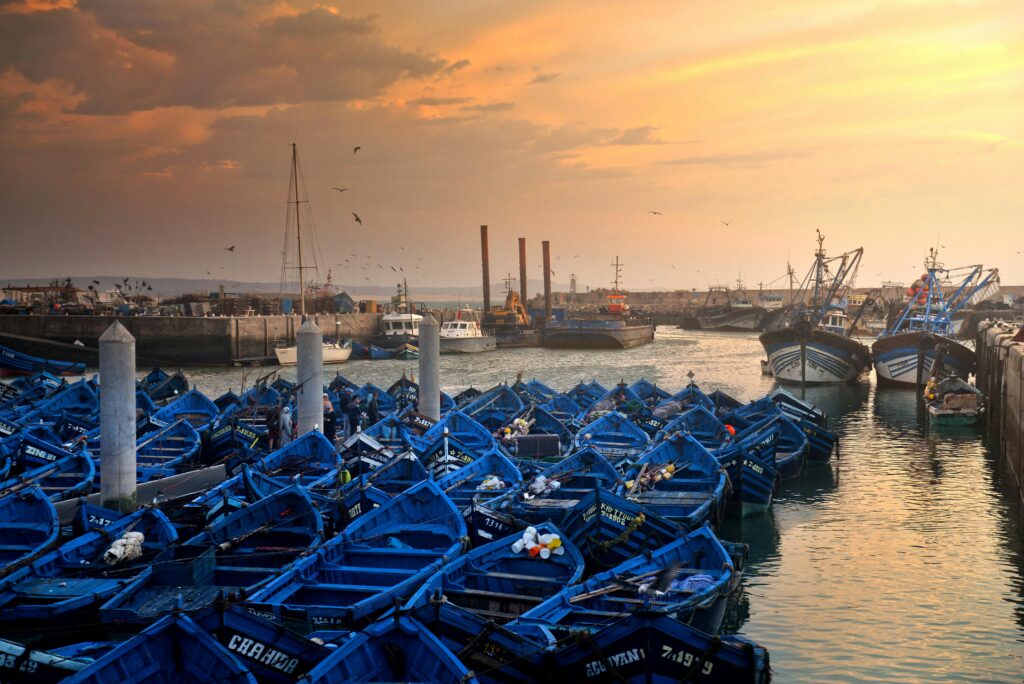
Morocco’s coastline stretches over 1,800 kilometers, offering something for everyone. On the Atlantic Ocean, the laid-back port town of Essaouira attracts artists, surfers, and free spirits. Its white-and-blue medina, seafood markets, and ocean breeze make it one of the country’s most relaxing spots.
Further south, Taghazout has become a surfer’s paradise, while Agadir boasts modern resorts and golden beaches. On the Mediterranean side, the town of Chefchaouen, nestled between mountains, stuns visitors with its blue-washed streets and tranquil charm.
A Symphony of Nature
From the dunes of Merzouga to the peaks of the Atlas, Morocco is a land of contrasts and harmony. Travelers come seeking adventure — hiking, surfing, desert trekking — but they often leave with something deeper: a sense of connection to the land and its people.
Morocco isn’t just a place to see; it’s a place to feel — where mountains, deserts, and oceans unite to tell one unforgettable story.
The Sahara Desert isn’t just a destination; it’s an experience that reshapes the way you see the world. In the heart of Morocco, near the small village of Merzouga, the golden dunes of Erg Chebbi rise like giant waves frozen in time. Standing before them, you feel both humbled and inspired by nature’s vastness.
The Journey into the Dunes
Reaching Merzouga is part of the adventure itself. The drive from Marrakech or Fes winds through the High Atlas Mountains, over the dramatic Tizi n’Tichka Pass, and past ancient kasbahs like Aït Benhaddou — a UNESCO World Heritage Site famous for its earthen architecture. As the landscape changes from green valleys to arid plains, anticipation builds for what lies beyond.
Upon arrival, travelers often embark on a camel trek across the dunes. The rhythmic sway of the camel, the golden horizon stretching endlessly, and the silence broken only by the wind — it all feels surreal. As the sun dips below the dunes, the desert explodes in a riot of color — orange, crimson, and violet.
A Night Under the Stars
When night falls, the desert reveals its true magic. In a Berber camp, you’ll share mint tea by the fire as locals play drums and sing traditional songs. The sky above sparkles with thousands of stars — so bright that you can trace the Milky Way with your eyes.
Sleeping in a desert tent, far from noise and light, brings a rare peace. At dawn, climb the nearest dune to watch the sunrise — the soft light paints the sand in shades of gold and pink. It’s one of those moments you never forget.
More Than Sand
Beyond Merzouga, the Sahara’s edge holds surprises — fossil fields, oases surrounded by palm trees, and nomadic families who live in harmony with the desert. Visiting them offers a glimpse into an ancient lifestyle shaped by patience and resilience.
The Sahara is not empty — it’s full of silence, wisdom, and beauty that speaks to the soul.
Few countries can boast such a fascinating blend of history, color, and spirit as Morocco. Among its countless treasures, the imperial cities — Marrakech, Fes, Meknes, and Rabat — stand as shining examples of Morocco’s glorious past and vibrant present. Each one has served as a capital at different moments in history, and together they form the cultural backbone of the kingdom.
Marrakech: The Red City of Energy and Color
Known as the “Red City” for its sun-drenched walls, Marrakech is a feast for the senses. The heartbeat of the city is Jemaa el-Fna Square, a world unto itself. As day fades into evening, the square transforms into an open-air theater — snake charmers, street performers, and sizzling food stalls fill the air with music, smoke, and laughter. Just steps away, the souks unfold like a maze, offering everything from aromatic spices to handwoven carpets.
Don’t miss the Majorelle Garden, a peaceful oasis created by the French painter Jacques Majorelle and later restored by Yves Saint Laurent. Its cobalt blue walls and lush greenery offer a serene escape from the city’s vibrant chaos.
Fes: The Spiritual Heart of Morocco
If Marrakech is the performer, Fes is the philosopher. Founded in the 9th century, it remains the intellectual and spiritual center of Morocco. Walking through the narrow streets of Fes el-Bali, the old medina, feels like stepping back in time. Artisans hammer copper, dyers color leather in the famous Chouara Tanneries, and students study at the University of Al Quaraouiyine, the oldest continuously operating university in the world.
Meknes and Rabat: Hidden Jewels of the Kingdom
Often overshadowed by its neighbors, Meknes charms visitors with its quiet elegance. Built by Sultan Moulay Ismail in the 17th century, the city is dotted with monumental gates and grand palaces. The Bab Mansour Gate, adorned with intricate zellij tiles, is one of the most beautiful in North Africa.
Meanwhile, the modern capital, Rabat, balances Morocco’s history with its contemporary ambitions. Its palm-lined boulevards, seaside kasbahs, and peaceful gardens make it a refreshing contrast to the hustle of Marrakech and Fes. Visit the Hassan Tower and Mausoleum of Mohammed V for a glimpse of Morocco’s royal legacy.
Together, these cities tell the story of a country where every stone whispers of empires, faith, and artistry — the soul of Morocco in four acts.
Ready to Start Your Moroccan Adventure?
Talk to our local travel experts and get a tailor-made itinerary today.