Sahara Desert Guide: Tours, Camps & Sandboarding
Did you know the Sahara Desert is the world’s largest hot desert? It covers over 9,200,000 square kilometers. This vast area of sand dunes and oases is perfect for adventure seekers. Desert Tours in the Sahara offer a unique way to see its stunning landscapes.
Experience the excitement of Sandboarding down huge dunes or relax in a fancy desert camp. The Sahara has something for everyone. In this guide, we’ll show you the best Desert Tours and activities for your adventure.
Whether you’re an experienced traveler or seeking a new adventure, our guide to the Sahara Desert has you covered. It will help you prepare for an unforgettable trip.
Overview of the Sahara Desert
The Sahara Desert is the world’s largest hot desert. It combines geography, climate, and biodiversity in a unique way. It covers several North African countries, featuring vast sand dunes, oases, and rocky plateaus.
Geographic Features
The Sahara’s geography is diverse and complex. It boasts the Erg Chebbi dunes in Morocco, which stand out dramatically. The Atlas Mountains stretch across several countries, affecting local climates and ecosystems.
The Sahara’s landscape has been shaped by wind and water over millions of years. Its varied terrain supports different ecosystems, from arid plains to mountainous regions.
| Geographic Feature | Description | Notable Locations |
|---|---|---|
| Sand Dunes | Vast expanses of sand shaped by wind | Erg Chebbi, Morocco |
| Oases | Fertile areas supported by natural water sources | Siwa, Egypt; Kufra, Libya |
| Rocky Plateaus | Elevated areas of rock, often barren and rugged | Atlas Mountains, Morocco |
Climate and Weather Patterns
The Sahara Desert has an extreme climate. Temperatures can be very high during the day and drop sharply at night. It receives very little rainfall, with some areas getting as little as 0.6 inches (15 mm) a year.
The climate varies across the desert. The harmattan, a dry wind, blows across the region. Weather patterns are shaped by the desert’s size and geography, including the Atlas Mountains.
Flora and Fauna
Despite the harsh conditions, the Sahara Desert is home to diverse flora and fauna. Plants like cacti and acacia trees conserve water. Animals such as fennec foxes and dorcas gazelles have adapted to extreme temperatures.
The desert’s biodiversity is supported by its oases. These areas provide habitats for many species. Understanding the Sahara’s flora and fauna is key to appreciating its ecological balance.
Best Times to Visit the Sahara Desert
Planning your Sahara Desert trip? Knowing when to go is key, as the weather changes a lot. Some times are better than others for travelers due to the desert’s harsh conditions.
Seasonal Highlights
Spring and autumn are the best seasons to explore the Sahara. The weather is mild, and the views are stunning.
Spring (March to May) is when the desert blooms. Plants flower after the winter rains. Autumn (September to November) has warm days and cool nights. It’s perfect for camel rides and stargazing.
Festivals and Events
The Sahara Desert is more than sand dunes. It’s also home to lively cultures and festivals all year. The Merzouga Festival in Erg Chebbi is a highlight. It features local music, dance, and crafts.
| Event | Location | Time of Year |
|---|---|---|
| Merzouga Festival | Erg Chebbi | March |
| Desert Festival | Erg Chigaga | October |
| Sahara Cultural Days | Various Locations | November |
These festivals give you a peek into local culture. They’re a great way to see the Sahara beyond its dunes.
Popular Tours in the Sahara Desert
The Sahara Desert offers both guided tours and independent adventures. It’s known for its vast sand dunes, unique landscapes, and rich culture. This makes it a great spot for many different interests and travel styles.
Guided Tours
Guided tours make exploring the Sahara easy. Experienced guides show you the best spots, sharing stories about the desert’s history and culture. You’ll see remote oases, go on camel treks, and stay in desert camps.
One top guided tour is to Mount Toubkal, North Africa’s highest peak. It’s a hike with amazing views, perfect for those who love adventure.
Self-Drive Adventures
Self-drive tours give you freedom to explore. Rent a 4×4 to see the desert at your pace. You can stop at scenic spots and hidden gems.
Be ready for a self-drive trip with a reliable car, enough supplies, and knowledge of the terrain. Many tour operators help with vehicle rentals and suggest the best routes.
Family-Friendly Options
The Sahara is great for families, with fun activities for all ages. Family-friendly tours include camel rides, games, and cultural experiences. Some places even have special services for families with kids.
Plan your Sahara trip with your family’s ages and interests in mind. Many operators can customize tours for families, making sure everyone has a great time.
Accommodations in the Sahara Desert
The Sahara Desert offers a variety of places to stay, from luxury camps to simple Berber tents. Whether you want comfort, adventure, or a cultural experience, there’s something for everyone.
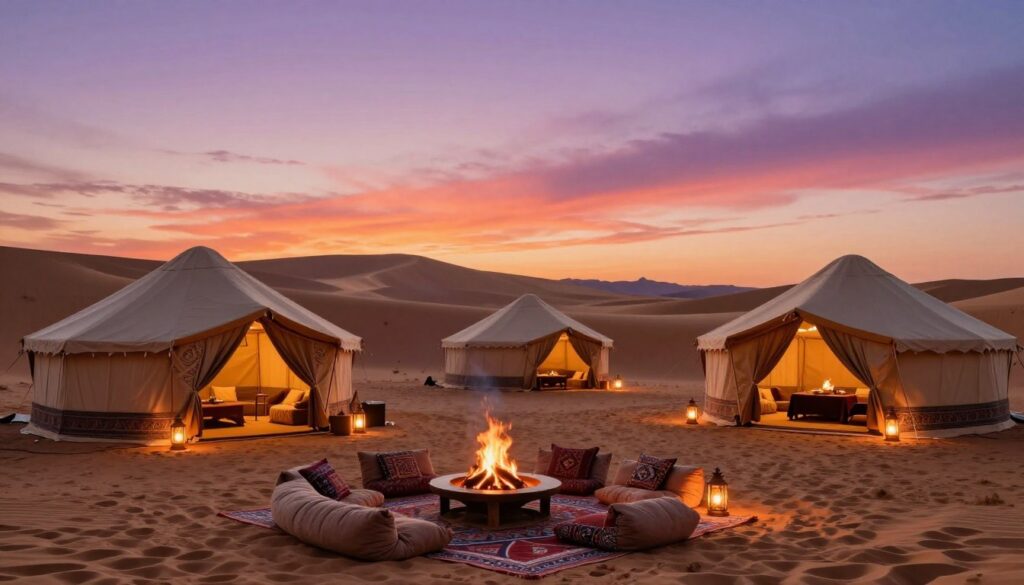
Luxury Desert Camps
Luxury desert camps provide a high-end experience. Enjoy fine dining, comfortable rooms, and activities like camel trekking. These camps offer a serene setting, making your trip unforgettable.
- Opulent accommodations with modern amenities
- Fine dining experiences with local cuisine
- Guided activities such as camel rides and desert safaris
Budget-Friendly Options
For those on a budget, the Sahara Desert has affordable stays. Budget-friendly options include hostels, guesthouses, and simple lodges. These places offer a basic but comfortable experience, letting you enjoy the desert without spending a lot.
- Affordable rates without compromising on basic amenities
- Opportunities to meet fellow travelers
- Simple, yet comfortable lodging
Unique Stays
Staying in a Berber tent offers a unique experience. It lets you live like the local Berber communities, experiencing their traditions. It’s a chance to step away from modern life and connect with nature and culture.
- Authentic Berber cultural experience
- Immersive stay amidst natural desert landscapes
- Opportunities to engage with local communities
Sandboarding in the Sahara
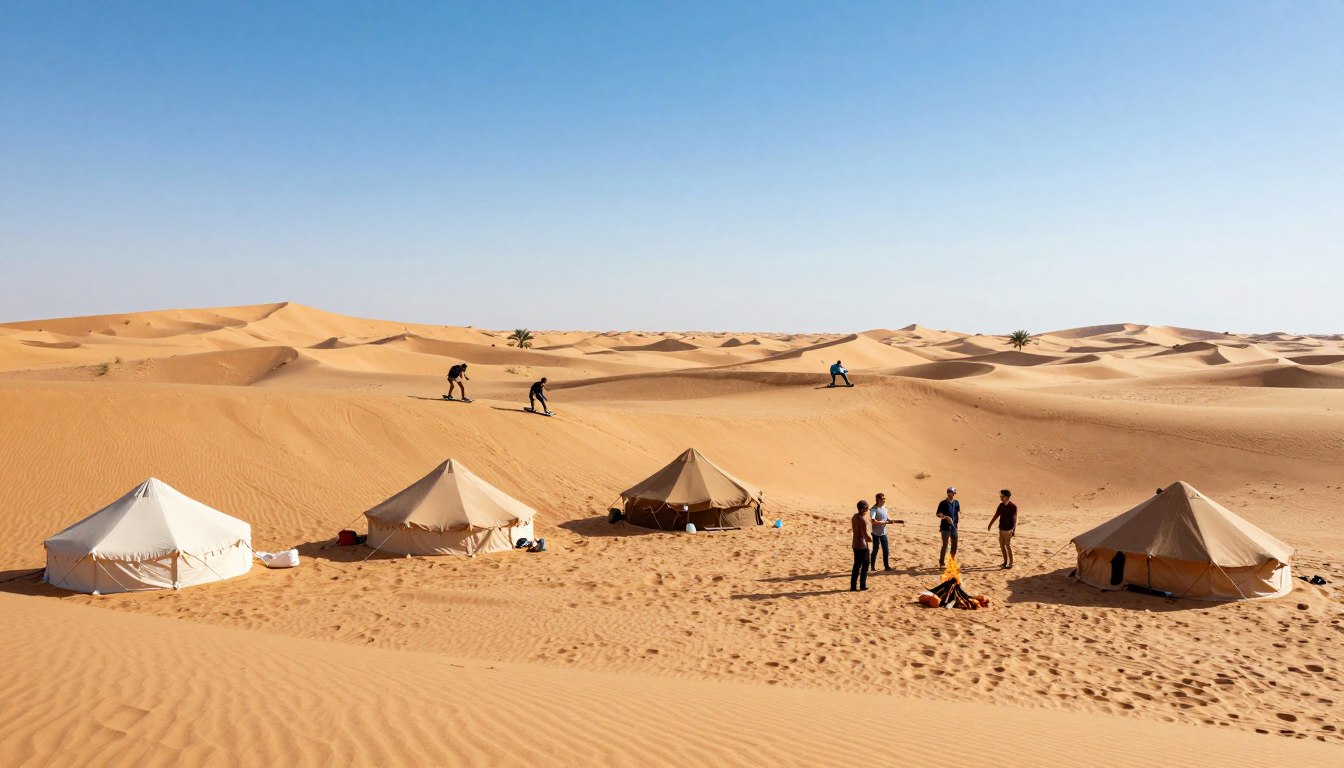
Sandboarding in the Sahara is more than an adventure. It’s a chance to see one of the world’s most unique places. The huge sand dunes offer a thrilling ride for those who dare or just want to see the desert’s beauty.
Popular Sandboarding Destinations
The Sahara Desert has many sandboarding spots, each with its own charm. Some top places include:
- Erg Chebbi: Famous for its tall dunes, Erg Chebbi is a hit with sandboarders.
- Erg Chigaga: Near the Draa Valley, Erg Chigaga offers a quiet sandboarding spot.
- Merzouga: Known for easy access and varied slopes, Merzouga is a favorite.
Tips for Beginners
Here’s how to start sandboarding:
- Take a lesson: Many tours offer lessons for newbies.
- Wear protective gear: Helmets, knee pads, and gloves are key for safety.
- Check the weather: Sandboarding is best in cooler times of the day.
Safety Precautions
Always put safety first when sandboarding. Here are some tips:
- Assess the terrain: Choose dunes that match your skill level.
- Stay hydrated: The desert is tough, so drink lots of water.
- Follow guide instructions: If you’re with a tour, listen to the guide.
By following these tips and being aware of your surroundings, you can have a fun and safe sandboarding trip in the Sahara.
Cultural Experiences in the Sahara
Dive into the Sahara’s unique culture, where old traditions meet modern hospitality. The Sahara Desert is filled with different local tribes and communities. Each has its own culture and way of life.
Local Tribes and Communities
Meeting the local tribes, like the Berber people, is a key cultural experience. You can visit their villages and learn about their customs. The Berbers are famous for their music, dance, and crafts.
Traditional Cuisine to Try
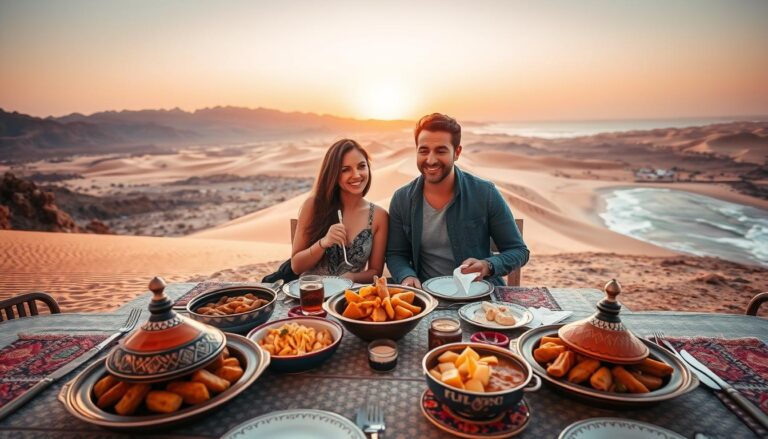
Saharan food shows the region’s cultural mix. Try tagines, slow-cooked stews with meat, veggies, and dried fruits. Also, taste couscous, a semolina flour staple. Don’t miss goat cheese and dates, common in the area.
Art and Craft Workshops
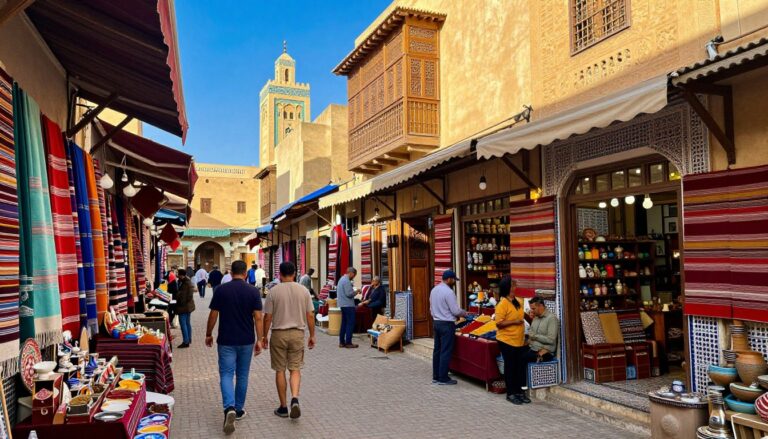
The Sahara is known for its crafts, like hand-woven carpets, intricate jewelry, and pottery. Join an art workshop to learn these crafts’ stories and techniques. You can also buy handmade souvenirs at local markets, supporting local artisans.
Exploring the Sahara’s culture will deepen your appreciation for its heritage and people. Whether you’re trekking the Atlas range or relaxing in a desert camp, the Sahara’s cultural experiences will make your journey unforgettable.
Activities Beyond Sandboarding
The Sahara Desert has more than just sandboarding. It’s full of adventures waiting for you. You can see its vast beauty through different activities that highlight its landscapes and cultures.
Camel Trekking
Camel trekking is a classic Sahara adventure. It lets you move slowly over the dunes. You’ll see remote oases, meet local tribes, and learn about desert life.
Many camel treks also let you camp under the stars. This adds to the excitement of the journey.
Stargazing Experiences
The Sahara’s stunning night skies make it great for stargazing. With little light pollution, you can see amazing stars. Desert camps offer guided tours to learn about constellations and enjoy the quiet night.
Hot Air Ballooning
Try a hot air balloon ride for a unique Sahara view. Floating above the dunes at sunrise, you’ll see the desert light up. It’s a peaceful way to see the Sahara’s vast beauty.
Choosing camel trekking, stargazing, or hot air ballooning gives you unique Sahara experiences. These adventures show off the desert’s natural beauty and its rich culture.
Essential Packing List for Sahara Trips
The Sahara Desert is vast and harsh. It’s important to pack right for your trip. Whether you’re on a guided tour or driving yourself, being ready is key to a great trip.
Clothing and Footwear
The desert’s climate needs lightweight, breathable clothes to protect you from sun and sand. Here’s what to pack:
- Light, neutral-colored clothes to reflect the sun
- Long-sleeved shirts and pants for sun and sand protection
- A hat and sunglasses for extra sun protection
- Comfortable, sturdy shoes for walking and desert terrain
Your shoes should be durable and comfy. They need to handle the desert’s harsh conditions. Hiking boots or sturdy shoes are best.
Hydration and Nutrition
Staying hydrated is key in the Sahara’s dry air. Bring:
- A refillable water bottle or hydration pack
- Water purification tablets or a portable filter
- High-energy snacks like nuts, dried fruits, and energy bars
- Ready-to-eat meals or simple meal ingredients
Also, bring electrolyte-rich drinks to keep your body balanced.
Gear and Equipment
Other must-haves include:
- Sunscreen with high SPF
- A first-aid kit for desert travel
- A camera and charger for amazing views
- A portable power bank for your devices
- A map and compass, or a GPS device
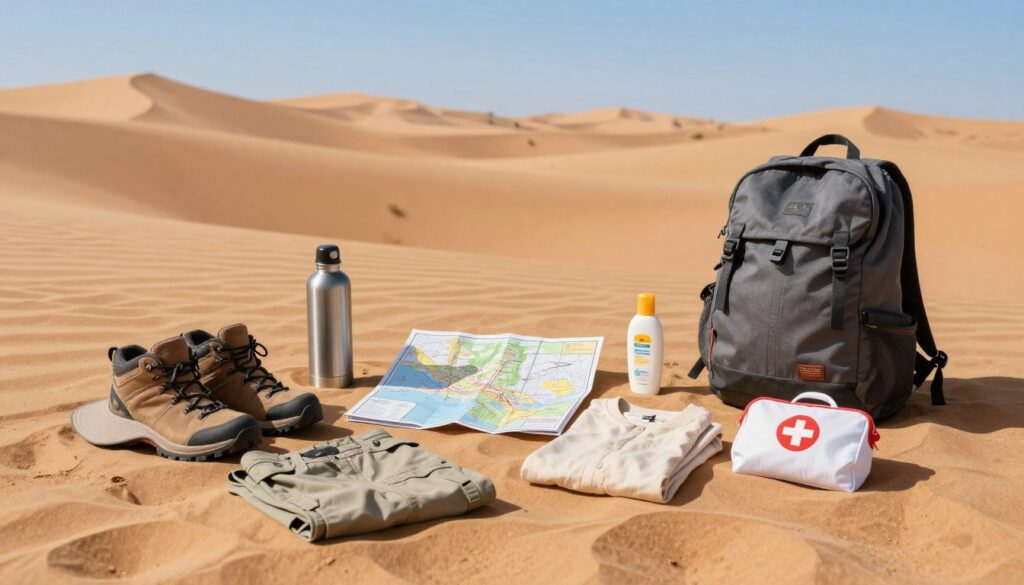
Thinking about what to pack well prepares you for the Sahara’s challenges and beauty. The right gear makes a big difference in your trip.
Transportation Options in the Sahara
The Sahara Desert is easier to reach than you might think. It has many ways to get there. Whether you want adventure or a calm trip, knowing how to get around is key.
Airports and Routes
Getting to the Sahara is easy, with many airports as entry points. North African airports like those in Morocco, Tunisia, and Egypt connect to the world. From these, you can take tours, private rides, or rent cars to get to the Sahara.
For the Moroccan Sahara, Marrakech or Ouarzazate airports are good choices. They have flights from around the world. Then, you can fly, bus, or drive to the desert.
| Destination | Nearest Airport | Transportation Options from Airport |
|---|---|---|
| Moroccan Sahara | Marrakech Menara Airport (RAK) | Private Transfer, Rental Car, Guided Tour |
| Tunisian Sahara | Tunis-Carthage International Airport (TUN) | Rental Car, Taxi, Guided Tour |
| Algerian Sahara | Houari Boumediene Airport (ALG) | Domestic Flight to local airstrips, Guided Tour |
In-Destination Travel Solutions
Once you’re in the Sahara, your travel choices change. For short trips, camel rides are a great way to see the dunes. For longer trips or when you’re in a hurry, 4x4s are best. They handle the desert’s rough terrain well.
Camel Trekking: It’s perfect for those wanting to really feel the desert. Treks can last from hours to days, giving a unique view of the Sahara.
Renting a 4×4 Vehicle: For adventure and freedom, renting a 4×4 is great. It lets you explore far-off places and make your own plans.
Car Rentals vs. Camels
Choosing between a car and a camel depends on what you like, your budget, and your trip’s nature. Cars are fast and comfy for long trips or groups. Camels give a real desert feel, connecting you with nature and local culture.
- Car Rentals: Good for long trips, groups, or when you want to get there fast.
- Camels: Best for a real desert feel, cultural immersion, and short trips.
Knowing your Sahara travel options helps plan a great trip. It ensures a memorable journey through this amazing landscape.
Sustainable Travel Practices in the Sahara
Traveling sustainably in the Sahara means being careful about your impact on the desert. It’s also about respecting local cultures. As more people visit, it’s key to leave a small footprint.
Eco-Friendly Tours and Camps
Choosing eco-friendly tours and camps is a big step towards sustainable travel. Look for those that use green practices. This includes renewable energy, less waste, and supporting local conservation.
- Opt for camps that use solar power and have a waste management system in place.
- Support local guides and tour operators who are committed to sustainable tourism practices.
Respecting Local Culture
Respecting local culture is key when visiting the Sahara. The desert is home to many communities, each with their own traditions.
Key practices to respect local culture include:
- Learning a few basic phrases in the local language to show respect.
- Dressing modestly and respecting local dress codes.
- Participating in local customs and traditions when invited to do so.
Minimizing Environmental Impact
It’s important to minimize your environmental impact in the Sahara. Simple actions can make a big difference.
Consider the following tips:
- Reduce your use of single-use plastics by carrying a reusable water bottle.
- Be mindful of your energy consumption and choose accommodations that support energy efficiency.
- Respect wildlife and their habitats, keeping a safe distance and not littering.
By following these sustainable travel practices, you can enjoy the Sahara Desert. You’ll also help preserve it for future generations.
Frequently Asked Questions About the Sahara Desert
Planning a trip to the Sahara Desert? You probably have many questions. We’ll answer some of the most common ones to help you get ready for your adventure.
Tour Expectations
A Sahara Desert tour usually means seeing the huge dunes and local communities. You might go camel trekking, sandboarding, or stargazing. Make sure to check your tour package to know what’s in store for you.
Addressing Safety Concerns
Safety is key when visiting the Sahara Desert. Tour operators make sure you’re safe with experienced guides and emergency services. Listening to your guide and staying informed about local conditions can help keep you safe.
Health and Travel Insurance
It’s important to have the right health and travel insurance for the Sahara Desert. Look for policies that cover emergencies, trip cancellations, and delays. Knowing what your insurance covers can make your trip less stressful.