The Ultimate Guide to the Best Time to Visit Morocco
Are you planning a trip to Morocco and wondering when is the ideal season to see its vibrant culture and stunning landscapes?
Morocco has a lot to offer, from the snow-capped Atlas Mountains to the sandy dunes of the Sahara Desert. Knowing the country’s climate and seasons is key for a great trip.
This guide will help you plan your trip. It covers the best times to visit different regions, festivals, and activities. Whether you want perfect weather, save money, or avoid crowds, we’ve got you covered.
Understanding Morocco’s Climate and Geography
Morocco has four main climate zones, each with its own features. The country’s landscape, from the Mediterranean coast to the Sahara Desert, shapes its climate. Knowing these differences is key for travelers to enjoy their trip.
The Four Distinct Climate Zones
Morocco’s climate is divided into four zones. The north has a Mediterranean climate with mild winters and hot summers. The Atlantic climate along the coast is milder and more humid.
The continental climate in the Atlas Mountains has cold winters and cool summers. The desert climate in the Sahara is very hot during the day and cold at night, with little rain.
How Geography Affects Your Travel Experience
Morocco’s geography affects when to visit different places. The Atlas Mountains create a dry climate in some areas. Knowing this helps plan your trip better.
Here’s how geography impacts travel in different regions:
| Region | Climate | Best Time to Visit |
|---|---|---|
| Atlas Mountains | Cold winters, cool summers | Spring (March to May) or Autumn (September to November) |
| Sahara Desert | Hot days, cold nights, low rainfall | Winter (December to February) for milder temperatures |
| Mediterranean Coast | Mild winters, hot summers | Spring (March to May) or Autumn (September to November) |
In conclusion, knowing Morocco’s climate and geography is vital for a great trip. Recognizing the climate zones and how geography impacts travel helps plan better.
Morocco’s Seasons: A Complete Breakdown
Morocco has four distinct seasons, each with its own charm. Knowing these seasons is key to planning a memorable trip.
Spring in Morocco (March to May)
Spring is a great time to explore Morocco. The weather is mild, and the landscapes are vibrant. The Atlas Mountains are stunning as snow melts and wildflowers bloom. It’s an ideal season for a Morocco trip, perfect for sightseeing and outdoor fun.
Summer in Morocco (June to August)
Summer can be hot, but the coast is cooler. It’s ideal for beach holidays and water sports along the Atlantic coast.
Fall in Morocco (September to November)
Fall brings comfortable temperatures to most of Morocco. The crowds have gone, and landscapes are lush from summer rains. It’s perfect for hiking, trekking, and exploring the Sahara without crowds.
Winter in Morocco (December to February)
Winter is the coolest season, with some rain. But, it’s great for desert visits and mountain skiing. It’s also a time for better deals on travel, making it budget-friendly.
Each season in Morocco offers unique attractions and benefits. Planning your trip by season can make your experience better, whether you seek adventure, relaxation, or cultural immersion.
The Best Time to Visit Morocco for Perfect Weather
Morocco’s weather is a big reason why people visit. But when is the best time to go? The climate changes a lot in different parts of Morocco. Knowing when to visit can make your trip better.
Peak Season: Spring (March to May)
Spring is the best time to see Morocco. The weather is pleasant and mild, with temperatures from 64°F to 75°F (18°C to 24°C). It’s perfect for seeing the tourist spots in Morocco, like Marrakech and the Atlas Mountains.
Shoulder Season: Fall (September to November)
Fall is also a great time to visit Morocco. The weather is comfortable, just like in spring. This time is less busy than spring, making it better for those who like fewer people.
What to Expect During Each Season
Knowing what each season brings can make your trip better. Here’s a quick guide:
- Spring (March to May): Nice weather, fewer people, and lots of festivals.
- Fall (September to November): Comfortable weather, fewer tourists, and a calm vibe for sightseeing.
Plan your trip for these seasons for a great vacation in Morocco.
When to Visit Different Regions of Morocco
Morocco has a wide range of landscapes, from deserts to mountains. The best time to visit changes a lot depending on where you go. Each area has its own weather, so it’s key to plan your trip based on where you want to see.
Best Time for Marrakech and the Imperial Cities
Marrakech and the Imperial Cities like Fez and Meknes are best in spring (March to May) or fall (September to November). These times have nice weather, perfect for walking the busy streets and visiting historical sites. Summer is very hot, and winter is mild but can get cool at night.
Ideal Season for the Sahara Desert
The Sahara Desert is best in winter (December to February). The weather is cooler, making it great for camel rides and camping. Summer is too hot for desert adventures.
Perfect Weather for the Atlantic Coast
The Atlantic Coast, with cities like Casablanca and Rabat, has mild summers (June to August). This is the best time for beach trips and water sports. The coast’s climate is milder than inland areas, making summer a good choice.
Optimal Time for the Atlas Mountains
The Atlas Mountains are great for hiking in spring (March to May) and fall (September to November). The weather is mild and nice for outdoor fun. Winter is cold and snowy, and summer is warm but busy with tourists.
Planning Your Trip Around Moroccan Festivals and Events
The best time to visit Morocco isn’t just about the weather. It’s also about experiencing the country’s vibrant festivals and events. Morocco’s rich cultural heritage is showcased through its numerous celebrations throughout the year. This makes it a fascinating destination for travelers.
Major Religious Holidays to Consider
Morocco is a country with a strong Islamic culture. Several religious holidays are observed throughout the year. Two significant events are Eid al-Fitr and Eid al-Adha.
- Eid al-Fitr: Celebrated at the end of Ramadan, marking the breaking of the fast. It’s a time of feasting and family gatherings.
- Eid al-Adha: Known as the Festival of Sacrifice, it commemorates the willingness of the Prophet Ibrahim to sacrifice his son. It’s a significant event that showcases the country’s religious traditions.
Cultural Festivals Worth Attending
Morocco hosts various cultural festivals that highlight its rich heritage. Some notable events include:
- Marrakech International Film Festival: A celebration of cinema from around the world, attracting filmmakers and actors globally.
- Essaouira Gnawa Music Festival: A festival that showcases Gnawa music and culture, attracting visitors from worldwide.
- Fez Festival of World Sacred Music: A unique event that brings together musicians from different cultures to perform sacred music.
| Festival/Event | Date | Description |
|---|---|---|
| Marrakech International Film Festival | December | Celebration of global cinema |
| Essaouira Gnawa Music Festival | June | Showcase of Gnawa music and culture |
| Fez Festival of World Sacred Music | June | Performance of sacred music from around the world |
How Ramadan Affects Your Travel Plans
Ramadan, the Islamic holy month of fasting, can impact your travel plans. While many businesses adjust their hours, and some attractions may have limited access, experiencing Ramadan can also be a unique cultural immersion.
Tips for Traveling During Ramadan:
- Be respectful of fasting locals by avoiding eating in public.
- Plan your itinerary around the breaking of the fast (iftar) and the pre-dawn meal (suhoor).
- Some attractions and tour operators may offer special Ramadan experiences.
By understanding and respecting local customs during Ramadan, you can have a meaningful and enriching experience in Morocco.
Best Time to Visit for Budget-Conscious Travelers
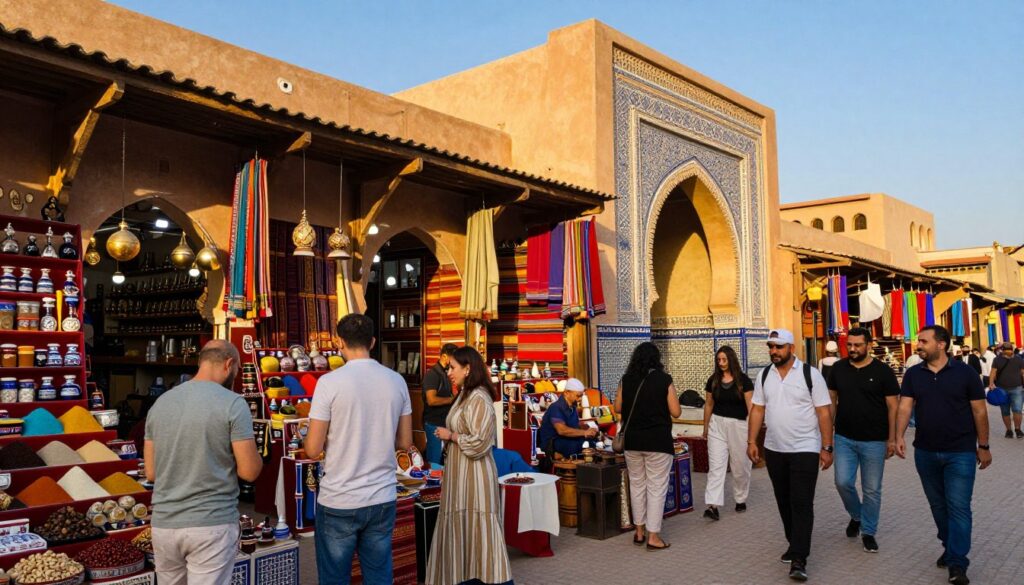
Morocco is a great choice for budget travelers during its low season. The weather might be extreme, but prices for places to stay and tourist services are lower. This makes it a good option for saving money.
Low Season Advantages (July to August and January to February)
Traveling to Morocco in the low season, from July to August and January to February, is good for those watching their budget. Summer brings high temperatures, mainly in the desert. Winters can be cool, mainly in the mountains.
Advantages of traveling during the low season include:
- Lower prices for accommodations and tourist services
- Fewer tourists, making for a more peaceful experience
- Potential for last-minute deals and discounts
Finding the Best Deals and Discounts
To get the most out of your Morocco trip on a budget, finding the best deals is key. Here are some tips:
Research and planning: Book your places to stay and tourist services early to get the best prices.
Look for package deals: Many travel agencies offer package deals that include places to stay, meals, and activities at a lower price.
Being flexible with your travel dates and doing your homework can lead to a fantastic Morocco vacation without spending too much. Whether you’re exploring cities or relaxing on beaches, Morocco has something for everyone.
When to Visit Morocco for Specific Activities
Morocco is great for many activities, thanks to its varied climate and landscapes. You can explore mountains, deserts, and coastlines, each perfect for different interests. Whether you love hiking, trekking, or just want to relax on the beach, Morocco has something for you.
Hiking and Trekking in the Atlas Mountains
The Atlas Mountains are perfect for hikers and trekkers. The best times are spring (March to May) and fall (September to November). These seasons have mild weather and clear skies, ideal for outdoor adventures.
Spring brings beautiful flowers and green landscapes. Fall offers a cozy harvest season feel with comfortable temperatures. Both seasons are great for exploring the mountains, valleys, and Berber villages.
Desert Adventures and Camel Trekking
Morocco’s Sahara Desert is perfect for desert adventures. The best time for camel trekking is winter (December to February). The weather is cooler, making it comfortable for exploring the dunes.
Winter is also a great time to see the desert’s calm beauty. It’s less crowded than summer, perfect for a peaceful desert trip.
Beach Holidays and Water Sports
Morocco’s Atlantic coast is great for beach lovers and water sports fans. Summer (June to August) is the best time for beach activities and water sports.
Summer has warm weather and calm seas, perfect for swimming and paddleboarding. Places like Essaouira and Taghazout are lively with surfers and beachgoers.
Photography and Sightseeing
Morocco is a photographer’s dream, with vibrant markets and stunning landscapes. The best time varies by region.
Spring and fall are excellent for photography and sightseeing. The mild weather and clear skies are perfect for outdoor shots.
| Activity | Best Time | Highlights |
|---|---|---|
| Hiking and Trekking | Spring (Mar-May) and Fall (Sep-Nov) | Mild temperatures, clear skies, lush landscapes |
| Desert Adventures | Winter (Dec-Feb) | Comfortable temperatures, serene desert landscapes |
| Beach Holidays | Summer (Jun-Aug) | Warm weather, calm seas, water sports |
| Photography and Sightseeing | Spring (Mar-May) and Fall (Sep-Nov) | Mild weather, clear skies, cultural events |
Avoiding the Crowds: Strategic Timing Tips
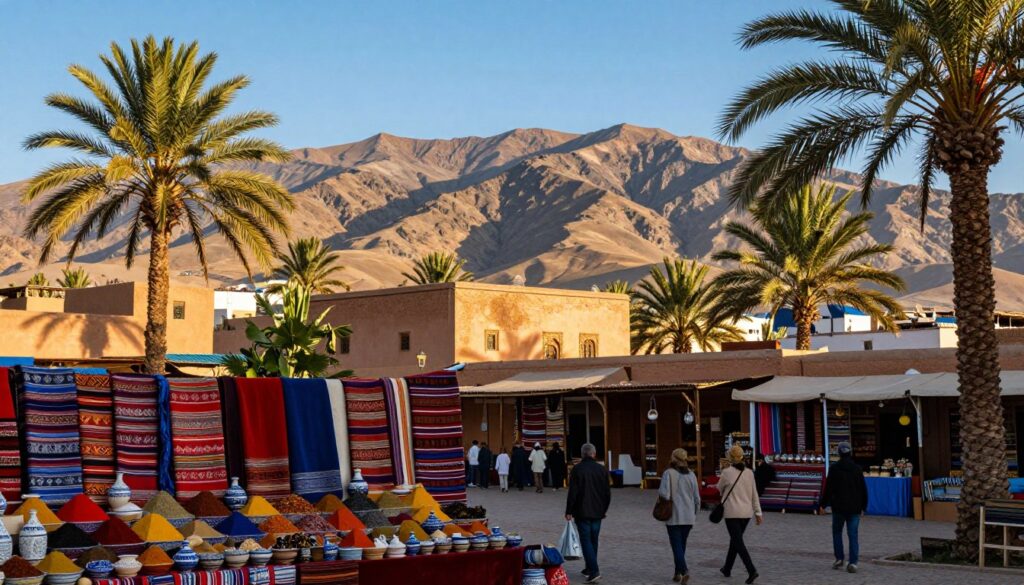
To enjoy your trip to Morocco, knowing when to visit is key. Morocco is loved by many, and its top spots get busy in peak times. But, with smart planning, you can have a peaceful and fun trip.
Peak Tourist Periods to Avoid
The spring (March to May) and fall (September to November) are Morocco’s busiest times. The weather is nice, but places like Marrakech and Fez are packed. To dodge the crowds, visit during the shoulder or off-season.
Key periods to avoid include:
- The week around Easter, when many Europeans take their spring break
- The summer months (June to August), when European schools are on summer vacation
- Major festivals and events, such as the Marrakech International Film Festival
Best Days of the Week to Visit Popular Attractions
Visit popular spots on weekdays to avoid crowds. Weekends are busier, with both locals and tourists out.
Consider visiting major attractions like:
- The Bahia Palace in Marrakech on a Tuesday or Wednesday
- The ancient city of Volubilis on a Thursday morning
- The souks in Fez during the late afternoon on a weekday
By planning wisely, you can explore Morocco without the crowds. Morocco offers culture, history, and beautiful beaches for all travelers.
Weather Considerations for Different Traveler Types
Morocco’s climate is perfect for all kinds of travelers. Whether you’re traveling with family, solo, or in luxury, there’s something for everyone. The country’s varied geography means weather changes from one place to another. This lets visitors pick the best time and place for their trip.
Best Time for Families with Children
Families love mild weather and lots of sunshine. Spring (March to May) and fall (September to November) are the best times for family trips. The weather is just right, with highs around 25°C (77°F), ideal for city tours or beach days.
These seasons offer fun activities for kids, like camel rides and hiking. Many places have special services for families, making trips more enjoyable.
Ideal Season for Solo Travelers and Backpackers
Solo travelers and backpackers look for good deals and lively scenes. The low season, from December to February, is great for solo travelers. It’s cooler, but cheaper, and places are less busy.
Summer (June to August) is also good for those who like the heat. It’s full of festivals and beach parties. But, some places might close during the hottest months.
Perfect Weather for Luxury Travelers
Luxury travelers want comfort and exclusivity. The peak season, spring (March to May), is perfect for them. The weather is great, and top hotels are open. It’s the best time for cultural events and pleasant weather.
Autumn (September to November) is also great for luxury seekers. The heat is gone, and it’s less crowded. It’s easier to enjoy Morocco’s luxury, from private tours to fine dining.
Month-by-Month Guide to Visiting Morocco
Knowing Morocco’s weather month by month is key for a great trip. The country’s varied geography leads to different weather in each area. Here’s what you can expect all year round.
January Through March
The first three months are cool, with chilly mornings and evenings. January is the coolest, with Marrakech’s temperatures between 45°F and 65°F (7°C to 18°C).
Top Attractions: See the historic cities, enjoy the calm, and go hiking in the Atlas Mountains.
| Month | Average Temperature (°F) | Average Rainfall (inches) |
|---|---|---|
| January | 55 | 1.2 |
| February | 58 | 1.1 |
| March | 62 | 1.5 |
April Through June
Spring in Morocco is lovely, with nice weather and festivals. April and May are great, with mild temps and fewer crowds than summer.
Cultural Events: Don’t miss the Marrakech Popular Arts Festival in July. But, check the exact dates as they can change.
| Month | Average Temperature (°F) | Festivals and Events |
|---|---|---|
| April | 70 | Rose Festival in El Kelaa M’Gouna |
| May | 75 | Marrakech International Film Festival |
| June | 82 | Mawazine Festival in Rabat |
July Through September
Summer is hot, with desert temperatures over 100°F (38°C).
Desert Adventures: Visit the Sahara early morning or late evening to avoid the heat.
| Month | Average Temperature (°F) | Average Rainfall (inches) |
|---|---|---|
| July | 90 | 0.1 |
| August | 92 | 0.2 |
| September | 85 | 0.3 |
October Through December
Autumn and early winter are good times to visit, with mild weather and fewer tourists. October is warm and has many cultural events.
Top Attractions: See the Imperial Cities, explore souks, and try local food.
| Month | Average Temperature (°F) | Events |
|---|---|---|
| October | 75 | Marrakech International Film Festival |
| November | 68 | Independence Day Celebrations |
| December | 60 | New Year’s Eve Celebrations |
Conclusion
Morocco is a great place to visit all year round. It offers different experiences in every season. Knowing the country’s climate and geography helps you enjoy your trip more.
When to visit Morocco depends on what you want to do. Spring and fall are the best times for a trip, with nice weather and fewer people. Summer is great for beach lovers. Winter is perfect for Sahara Desert trips or skiing in the Atlas Mountains.
This travel guide helps you plan your trip around Morocco’s festivals and events. Or, you can avoid the busy tourist season if you prefer. Morocco’s diverse landscapes and cultures make for an unforgettable trip.
Morocco is known for its rich history, beautiful landscapes, and friendly people. Start planning your trip to Morocco today. Discover the best time to visit this magical country.