Traveling During Ramadan in Morocco: What Tourists Should Expect
Ever thought about what it’s like to see Ramadan in Morocco as a tourist?
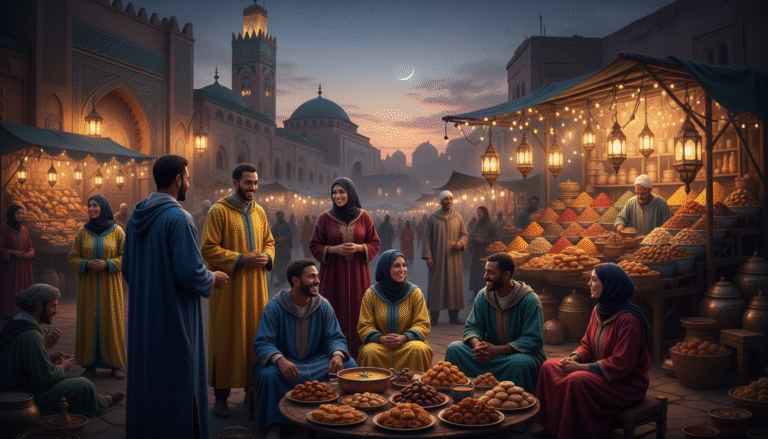
Ramadan is a month of spiritual focus and cultural celebrations. It brings a special atmosphere to Morocco. You’ll see the country’s traditions and feel its warm welcome.
Knowing local customs is important for a good trip. This guide will prepare you for your visit to Morocco during Ramadan. You’ll learn about daily life and cultural practices.
Being informed lets you dive into the local culture. You’ll get the most out of your Morocco Ramadan travel guide experience.
Understanding Ramadan in Morocco
Ramadan is a special month in Morocco. It’s a time for deep spiritual reflection and vibrant cultural celebrations. The country’s rich heritage shines through in many customs and traditions.
Significance of Ramadan
Ramadan is very important in Morocco, just like in the Islamic world. It’s a month of fasting, thinking deeply, and spiritual renewal. For Muslims, it’s a chance to connect more with their faith and community.
Fasting is a key part of Islam and is required for all Muslims, except for those who can’t due to health or other reasons. The fast is broken at Iftar, a big meal that brings people together.
Customs and Traditions
Moroccan customs during Ramadan are a mix of tradition and hospitality. The month is filled with special culinary delights. Traditional dishes are made for Iftar and Suhoor, the meal before dawn.
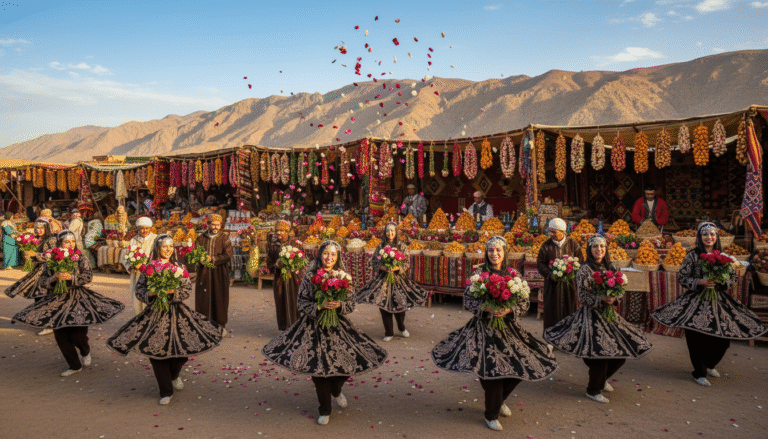
The atmosphere in Morocco during Ramadan is lively. It’s filled with decorations and community gatherings. Many places host cultural events, including music festivals that show off Morocco’s rich musical heritage.
Differences Across Regions
While Ramadan is celebrated all over Morocco, there are regional differences. In cities like Marrakech and Fez, the atmosphere is vibrant and diverse. Restaurants and cafes stay open late.
In rural areas, the focus is on traditional practices. There’s a strong emphasis on community and family. This diversity gives visitors a unique experience, depending on where they are in Morocco during Ramadan.
| Region | Ramadan Traditions | Cultural Events |
|---|---|---|
| Marrakech | Vibrant Iftar gatherings, traditional cuisine | Music festivals, cultural performances |
| Fez | Family-oriented Suhoor, community prayers | Traditional crafts exhibitions, local food festivals |
| Rural Areas | Simple, traditional Iftar, strong community bonds | Local storytelling, traditional folk music |
Impact on Daily Life
The holy month of Ramadan deeply affects daily life in Morocco. As people fast from dawn to sunset, many things change. This includes how we go about our daily routines.
Changes in Business Hours
Businesses in Morocco adjust their hours during Ramadan. They open later and close earlier than usual. For example, shops might start at 10 AM and end by 5 PM.
This change helps businesses meet the needs of those fasting.
Key changes include:
- Reduced working hours for most businesses
- Earlier closure of shops and services
- Possible closure of some businesses during the day
Modifications in Public Transportation
Public transport in Morocco also changes during Ramadan. Buses and trains run less often, mainly during fasting hours. But, they’re there for those who need to travel.
Notable adjustments include:
- Reduced frequency of public transport during the day
- Increased services during the evening, around iftar time
Adjustments in Meal Availability
Meal times change a lot during Ramadan. Most restaurants close during the day. It’s considered polite to eat in private or special areas.
After sunset, the mood changes with iftar. Tourists can try traditional Moroccan food and enjoy cultural events in the evenings. Many places host iftar dinners, giving a special experience. The evenings are also filled with Moroccan music events and cultural activities, making it a lively time to explore.
Cultural Sensitivity for Tourists
Traveling to Morocco during Ramadan means respecting local customs. This makes your trip more enjoyable and enriching. Showing cultural sensitivity is key.
Respecting Local Customs
Morocco is deeply rooted in Islamic heritage, more so during Ramadan. Public displays of affection are not common. It’s best to avoid them. Also, eating, drinking, or smoking in public during fasting hours is seen as impolite.
| Custom | Description | Tourist Tip |
|---|---|---|
| Fast during daylight | Abstain from food and drink from dawn to dusk | Be considerate and avoid eating in public |
| Dress modestly | Cover shoulders and knees as a sign of respect | Pack clothing that covers your body adequately |
| Respect prayer times | Be mindful of the five daily prayers | Avoid loud noises during prayer times |
Dress Code Considerations
Dressing modestly is important during Ramadan. Women should cover their shoulders and knees. Wear loose, body-covering clothes to show respect and avoid unwanted attention.
Navigating Public Spaces
Public spaces change during Ramadan. Be aware of business hours and the atmosphere. The vibe is lively during Iftar but calm during fasting hours.
Following these tips makes your visit to Morocco during Ramadan better. By being culturally sensitive, you can enjoy the culture, including music festivals, without offending locals.
Food and Dining Experiences
In Morocco, Ramadan is more than just fasting. It’s a time to celebrate food and community. The food scene is lively, with many traditional meals and gatherings.
Iftar: Breaking the Fast
Iftar, the meal to end the fast after sunset, is a big deal in Morocco. It starts with dates and traditional Moroccan tea. Then, there’s a variety of dishes like harira (a hearty soup) and chebakia (a sweet pastry).
Suhoor: Pre-Dawn Meal
Suhoor, eaten before dawn, is key during Ramadan. It’s about eating nutritious food to last the day. Favorites include msemen (a pancake) and b’stilla (a savory pie).
Popular Moroccan Dishes
Moroccan cuisine is rich and varied, enjoyed during Ramadan. Some favorites are:
| Dish | Description |
|---|---|
| Harira | A traditional Moroccan soup made with tomatoes, lentils, and chickpeas. |
| Chebakia | A sweet pastry made with honey, sesame seeds, and flour, typically served during Ramadan. |
| Msemen | A type of Moroccan pancake, often served with honey or savory fillings. |
These dishes are not just tasty. They also show Morocco’s rich cultural heritage. The traditional music festivals during Ramadan make dining even more fun.
Tourist Attractions During Ramadan
Morocco’s rich culture shines brightly during Ramadan. It offers a mix of spiritual and fun experiences. Even with some places open for shorter hours, Morocco’s lively culture stays the same.
Must-Visit Places
Morocco boasts many historical and cultural spots worth seeing, even in Ramadan. Some top places include:
- The bustling souks of Marrakech
- The ancient city of Fes
- The historic medina of Essaouira
Special Events and Festivals
Ramadan is more than just fasting; it’s a time for joy and culture. Morocco celebrates with various events and festivals, such as:
- The Marrakech music festival, featuring local and international artists
- Cultural exhibitions that showcase Moroccan art and heritage
- Traditional festivals in rural areas, giving a peek into local traditions
Tips for Visiting Religious Sites
Visiting mosques or religious sites in Ramadan requires respect for local traditions. Here are some tips:
| Tip | Description |
|---|---|
| Dress modestly | Cover your shoulders and knees as a sign of respect |
| Remove your shoes | Before entering a mosque or religious site |
| Be mindful of prayer times | Avoid visiting during peak prayer hours |
By following these tips, tourists can have a deep and rewarding experience at Morocco’s religious sites during Ramadan.
Transportation Tips
Morocco changes a lot during Ramadan. Knowing how to get around can make your trip better. The country has many ways to travel, but some planning is key.
Best Modes of Transport
Morocco has a good transport system. You can use buses, trains, and taxis. The train service by ONCF is great for long trips. It connects cities like Marrakech, Fez, and Rabat.
Scheduling Around Iftar
Planning is important during Ramadan. Traffic gets busy when people go home to break their fast. Try to travel before sunset to avoid the crowds.
Check the iftar times for your area. This helps plan your day better.
Finding Taxis and Ride Shares
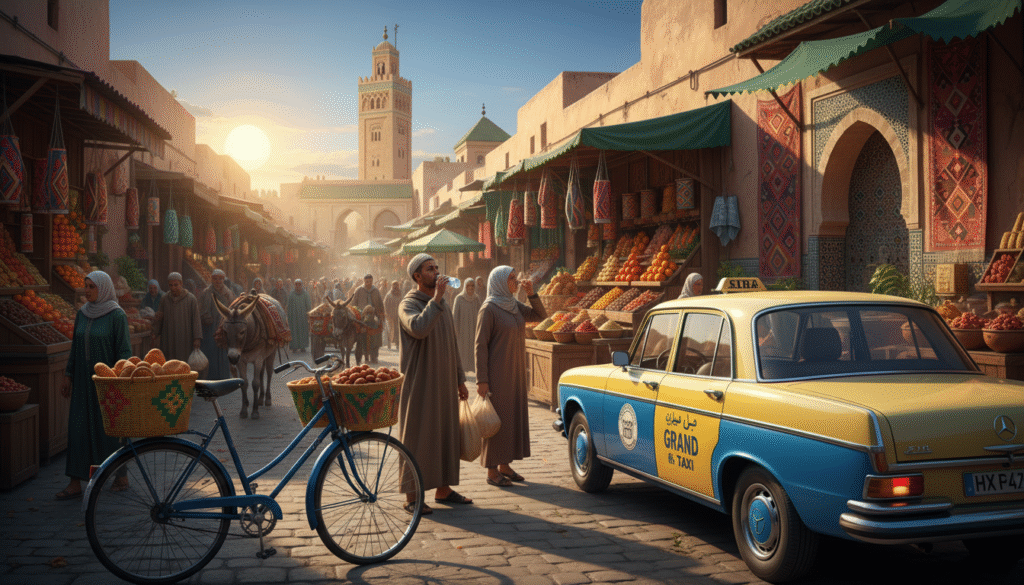
Taxis in Morocco are common, mainly in cities. Grands taxis are for longer trips, and petits taxis for shorter ones. Ride-sharing services like Careem are also available in big cities.
Always agree on the fare first. Not all taxis have meters.
The Fes Music Festival is a must-see. It celebrates Morocco’s music. The festival’s schedule might change, but it’s worth considering for your trip.
Nightlife and Entertainment
The nightlife in Morocco during Ramadan is a mix of old traditions and new trends. Daytime is quiet, but nights buzz with fun activities for visitors.
Evening Activities
Walking the lively streets of Marrakech or Essaouira at night is special. You’ll smell local food and hear gnawa music from cafes.
Don’t miss the Ramadan lantern lighting ceremonies. They make the night even more festive.
Night Markets and Souks
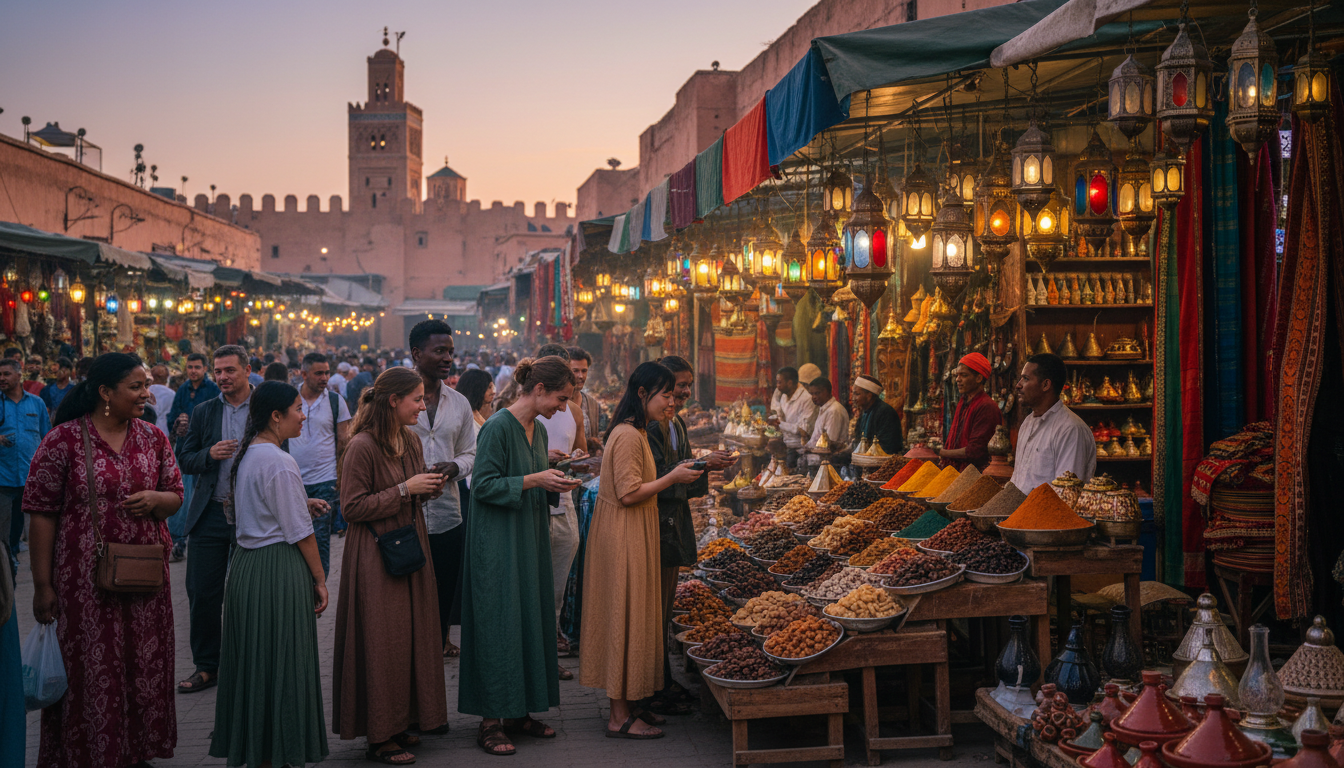
Exploring night markets and souks is a must in Ramadan. These places are full of goods, from clothes to crafts. Souks are extra lively, with lanterns and decorations for Ramadan.
Local Music and Arts
Morocco’s music and arts shine during Ramadan. You can hear gnawa and andalous music at many spots.
World music festivals also happen in Ramadan. They mix Moroccan tunes with global sounds, creating a unique experience.
Accommodation During Ramadan
Traveling to Morocco during Ramadan means finding the right place to stay is key. Morocco has many options for all budgets and tastes.
Hotels and Their Offers
Hotels in Morocco have special Ramadan packages. These include iftar meals, cultural events, and more. They mix luxury with local culture for a unique Ramadan experience.
Some hotels also host Casablanca music events and other fun activities. Guests can enjoy local music and arts during Ramadan.
Alternatives: Riads and Hostels
Riads (traditional Moroccan houses) offer a traditional stay. They show off Moroccan architecture and hospitality. Riads in old medinas like Marrakech and Fez give a real cultural feel.
Hostels are great for those on a budget. They often have communal iftar and social events. This makes it easy to meet others and locals.
Tips for Booking
Book your stay early, as Ramadan is a busy time in Morocco. Look for hotels, riads, and hostels with Ramadan deals or packages. These often include cultural activities.
- Check for hotels with Ramadan offers that include meals and events.
- Stay in a riad for a traditional Moroccan experience.
- Book early to get the best rates and availability.
Shopping Tips
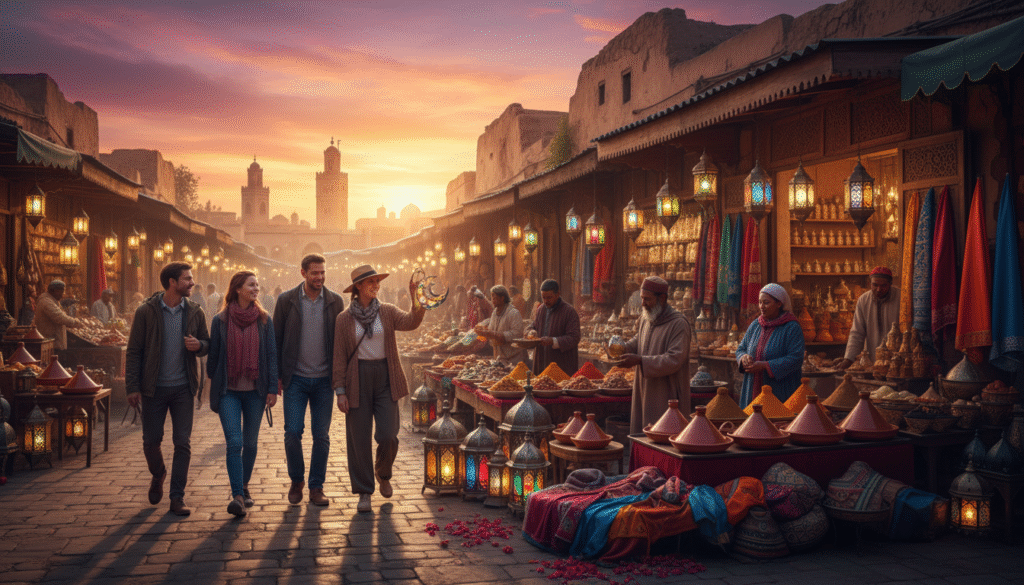
Morocco during Ramadan is a shopper’s dream, with big discounts and unique souvenirs. These items show off the country’s rich culture. Tourists get a special shopping experience with promotions and traditional goods.
Ramadan Sales and Discounts
Many Moroccan businesses have special sales and discounts during Ramadan. Visitors can find deals on clothes, accessories, home goods, and electronics. It’s a smart time to buy things that are usually pricey.
- Look for discounts on traditional clothing and textiles.
- Check out sales on local handicrafts and souvenirs.
- Many stores offer promotions on home decor items.
Souvenir Considerations
When buying souvenirs in Morocco during Ramadan, choose items that show the local culture. Some unique souvenir ideas include:
- Traditional Moroccan handicrafts, such as pottery and woodwork.
- Local textiles, including intricately designed fabrics and carpets.
- Moroccan spices and teas, which are key to the country’s cuisine.
These souvenirs are not just keepsakes but also help local artisans and businesses.
Market Etiquette
Knowing market etiquette is key when shopping in Morocco, even more so during Ramadan. Here are some tips to improve your shopping experience:
- Be prepared to bargain; it’s common in Moroccan markets.
- Show respect to vendors and their goods.
- Be mindful of your surroundings and keep an eye on your belongings.
By following these customs, you can shop with confidence and enjoy a real Moroccan experience.
After exploring Morocco’s markets and shopping during Ramadan, you might want to check out the Best music festivals. They showcase the country’s rich musical heritage.
Health and Safety Considerations
When visiting Morocco during Ramadan, it’s key to think about your health, safety, and respect for local culture. Knowing the customs and taking steps to stay safe can make your trip better.
Staying Hydrated
It’s important to drink lots of water, as fasting locals will be thirsty too. Morocco’s heat makes it even more critical. Carry a water bottle and try to avoid being outside when it’s hottest.
Tips for Staying Hydrated:
- Drink water often
- Stay away from caffeinated and sweet drinks
- Eat foods that help keep you hydrated, like watermelon and cucumber
Understanding Ramadan Etiquette
Knowing how to act during Ramadan can prevent misunderstandings. It’s important to follow local rules, like not eating or drinking in public when fasting. Also, dress modestly and be thoughtful of those around you.
Key Etiquette Tips:
- Don’t eat, drink, or smoke in public during the day
- Wear clothes that cover your shoulders and knees
- Respect the local traditions and ways of life
Emergency Services
Knowing where to find help can make you feel safer. Morocco has a good emergency system, with help available in big cities and tourist spots.
| Emergency Service | Contact Information |
|---|---|
| Police | 19 |
| Ambulance | 15 |
| Fire Department | 18 |
Connecting with Locals
Traveling to Morocco during Ramadan is a great chance to connect with locals. It lets you see beyond tourist spots and understand the culture and traditions. Morocco is a beautiful country with a rich heritage.
Engaging in Community Iftar
Joining a community iftar is a powerful way to connect. Sharing a meal is a sign of friendship and hospitality. Mosques and community centers welcome visitors to share in the iftar meal.
Tips for joining a community iftar:
- Ask your hotel or local tour guide for information on community iftars.
- Dress modestly and be prepared to remove your shoes if required.
- Bring a small gift, such as dates or pastries, as a sign of appreciation.
Learning About Local Traditions
Morocco’s culture is rich and diverse. Ramadan is a perfect time to learn about local customs. Attend cultural events, visit museums, or simply ask questions.
Volunteering Opportunities
There are many ways to give back during Ramadan. You can volunteer at charities or community centers. Helping with iftar preparations or distributing food is rewarding.
Some organizations to consider:
- Local charities that focus on food distribution and other community services.
- Community centers that organize iftars and other events.
Conclusion: Embracing Ramadan in Morocco
Visiting Morocco during Ramadan is a unique experience. It offers a deep look into the country’s culture, traditions, and community spirit. As you explore the cities, landscapes, and history, remember to practice responsible tourism. This means respecting local customs and the environment.
Cultural Insights
Ramadan in Morocco is a time for spiritual reflection, community, and celebration. You can learn a lot by joining iftar meals, visiting traditional souks, and attending cultural events. These experiences will give you a deeper understanding of the local culture.
Sustainable Tourism
When enjoying Morocco’s beauty and hospitality, it’s important to adopt sustainable tourism. This helps reduce your impact on the environment and local communities. By doing this, you help preserve Morocco’s rich cultural heritage.
Discovering Morocco
Morocco welcomes you to come back and explore more of its wonders. From Marrakech’s lively streets to the Atlas Mountains’ calm beauty, there’s something for everyone. Morocco’s history, vibrant culture, and stunning landscapes make it a must-visit destination.