Traveling During Ramadan in Morocco: What Tourists Should Expect
Ever thought about what it’s like to see Ramadan in Morocco as a visitor? As Ramadan, the month of fasting, gets closer, many are curious. They wonder how this big event will change their trip.
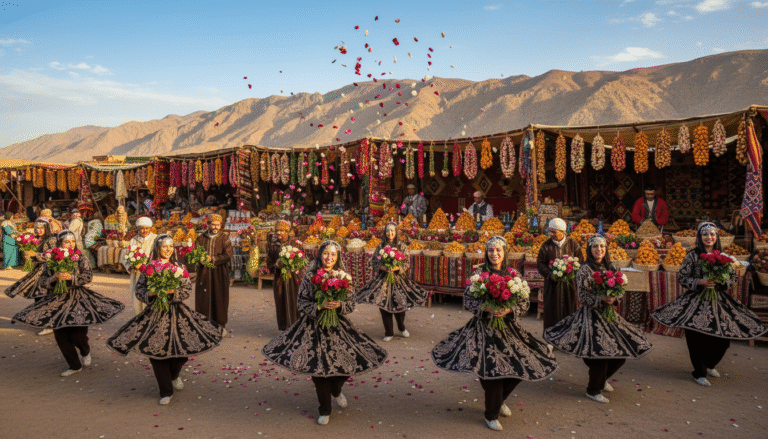
In Ramadan, Morocco’s culture changes in a special way. It’s a time of spirituality, culture, and community. Visitors will find a unique vibe, with people gathering to end their fast and share meals.
It’s important to know about Ramadan and how it affects tourists. This way, you can have a memorable and respectful trip. Let’s dive into what you can expect when traveling in Morocco during Ramadan.
Understanding Ramadan in Morocco
Ramadan turns Morocco into a colorful mix of faith and tradition. This sacred month is more than fasting and thinking deeply. It’s also a time to see Moroccan culture through traditions and events.
What is Ramadan?
Ramadan is the ninth month in the Islamic calendar. It’s a time for fasting, thinking, and growing spiritually. In Morocco, where most people are Muslim, Ramadan changes daily life, culture, and how people interact.
The fast, called saum, means not eating or drinking from dawn till sunset. It’s one of Islam’s Five Pillars. It helps people be disciplined, understand others’ needs, and show devotion to their faith.
Significance of Ramadan in Moroccan Culture
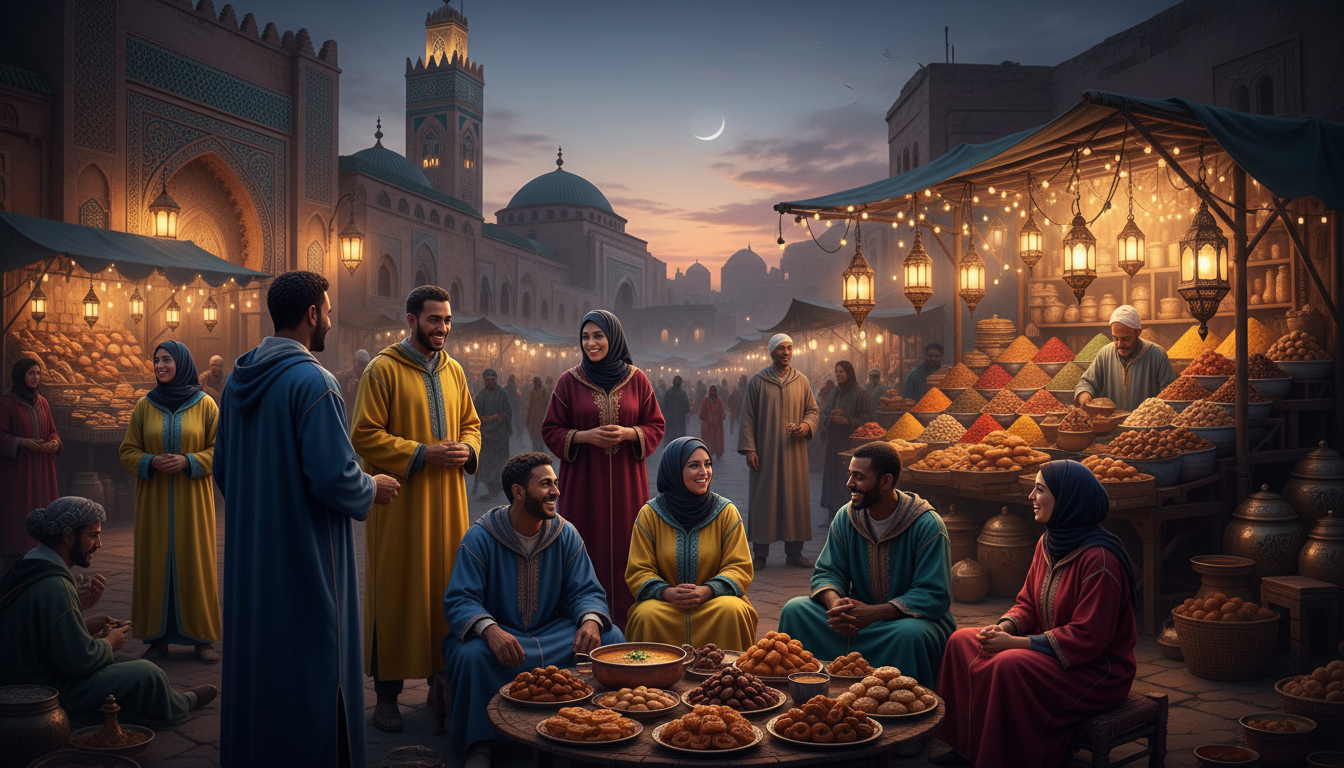
Ramadan is very important in Moroccan culture. It’s not just about religion but also about social and cultural aspects. Families and friends come together for Iftar, the meal after sunset. They eat traditional foods like Harira (a soup) and Chebakia (a sweet pastry).
The evenings of Ramadan are filled with Moroccan music events and cultural activities. These events add to the festive mood. They make Ramadan a special time to see Moroccan culture.
- Ramadan is a time for spiritual reflection and growth.
- Moroccan culture is richly expressed during Ramadan through food, music, and family gatherings.
- The month-long fast fosters a sense of community and empathy among Muslims.
Understanding Ramadan in Morocco helps visitors appreciate the local culture and traditions. It makes their trip more meaningful and enriching.
Daily Life During Ramadan
The holy month of Ramadan deeply affects daily life in Morocco. It changes work, school, and even music festivals. Knowing these changes helps tourists understand Morocco better during Ramadan.
Changes in Daily Schedules
Many Moroccans change their daily routines during Ramadan. Work hours get shorter. Government offices open from 9 AM to 3 PM.
Key changes include:
- Shortened work hours
- Adjusted school schedules
- Delayed opening of some shops and businesses
Impact on Work and School
Ramadan has a big impact on work and school. Employees and students adjust their routines to fit fasting.
Notable adjustments include:
- Flexible work arrangements for fasting employees
- Modified school calendars for iftar and suhoor
Even top music festivals in Morocco adjust during Ramadan. This shows the country’s respect for the holy month.
Dining Etiquette for Tourists
Traveling in Morocco during Ramadan can be a unique experience. The country’s rich culture and lively traditional music festivals add to the excitement. You’ll also get to enjoy special meals during Ramadan.
Respecting Fasting Hours
Respecting fasting hours is key during Ramadan. From dawn to sunset, Muslims don’t eat or drink. As a tourist, it’s best not to eat or drink in public during these times.
It’s considered polite to eat in your hotel or in designated areas where locals are not present. This shows respect for the local culture and helps avoid any offense.
Iftar and Suhoor Traditions
Iftar, the meal after sunset, is a big deal during Ramadan. It’s a time for families and friends to come together. Tourists might get invited to join in Iftar, a chance to see Moroccan hospitality.
At Iftar, wait for the host to start eating. The meal starts with dates and milk or water, then traditional dishes. Suhoor, the pre-dawn meal, is also important. Be ready for an early breakfast if invited.
Learning about these traditions makes your visit more meaningful. By embracing them, you’ll have a more authentic experience in Morocco during Ramadan.
Local Markets and Shopping
Morocco’s local markets are special during Ramadan. They mix spirituality with shopping. The place is alive with people looking at traditional foods, decorations, and clothes.
Opening Hours During Ramadan
During Ramadan, market hours change. They usually open early and close later to fit the fasting and Iftar preparations. It’s best to ask locals or your hotel for the latest times.
Purchasing Food for Iftar
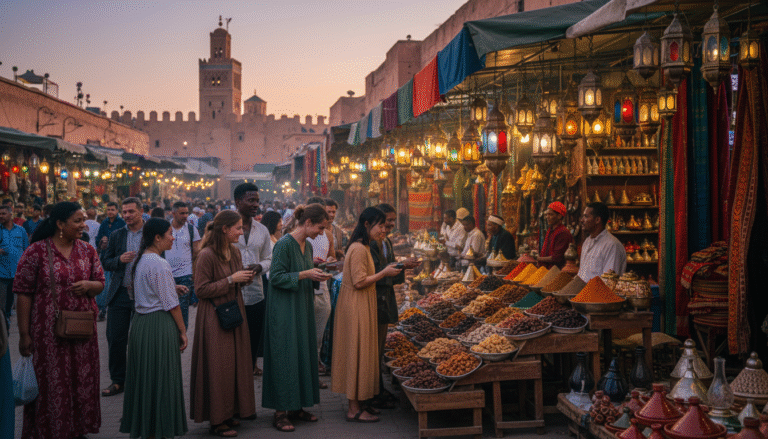
Buying food for Iftar is a big part of Ramadan in Morocco. Markets are full of foods like dates, pastries, and spices. Visitors can try these foods and even help make their own Iftar.
| Traditional Iftar Foods | Description | Availability |
|---|---|---|
| Dates | A traditional start to Iftar, symbolizing hospitality and community. | Widely available |
| Pastries | Sweet and savory pastries, often filled with nuts or meat. | Common in bakeries and markets |
| Spices | A variety of spices used in traditional Moroccan cooking. | Found in local markets |
While music festivals in Morocco don’t directly affect market hours in Ramadan, the festive vibe makes shopping and dining more fun.
Accommodation Considerations
When visiting Morocco during Ramadan, it’s important to think about where you’ll stay. The country has many places to stay, from fancy riads to affordable hotels. Each one has its own special features and services.
Booking During Ramadan
Booking a place to stay during Ramadan needs some planning. It’s smart to book early because hotels and riads have special Ramadan deals. These deals include traditional meals and decorations, making your stay more memorable.
Tips for Booking:
- Look for hotels that offer traditional Iftar and Suhoor meals.
- Stay in areas near major sights to avoid long walks during fasting hours.
- Check if the hotel has evening entertainment, like music or cultural shows.
Facilities and Services
Places to stay in Morocco during Ramadan often have special features. They might have big tents or outdoor areas for Iftar. Some hotels also plan cultural events or activities for guests.
In Marrakech, some riads are famous for their Ramadan celebrations. They host music festivals that draw both locals and visitors. These festivals are a great way to dive into Moroccan culture.
| Accommodation Type | Ramadan Services | Average Price |
|---|---|---|
| Luxury Riads | Traditional Iftar, Cultural Events | $200/night |
| Budget Hotels | Basic Iftar, Prayer Facilities | $50/night |
| Desert Camps | Ramadan Packages, Stargazing | $150/night |
Transportation Adjustments
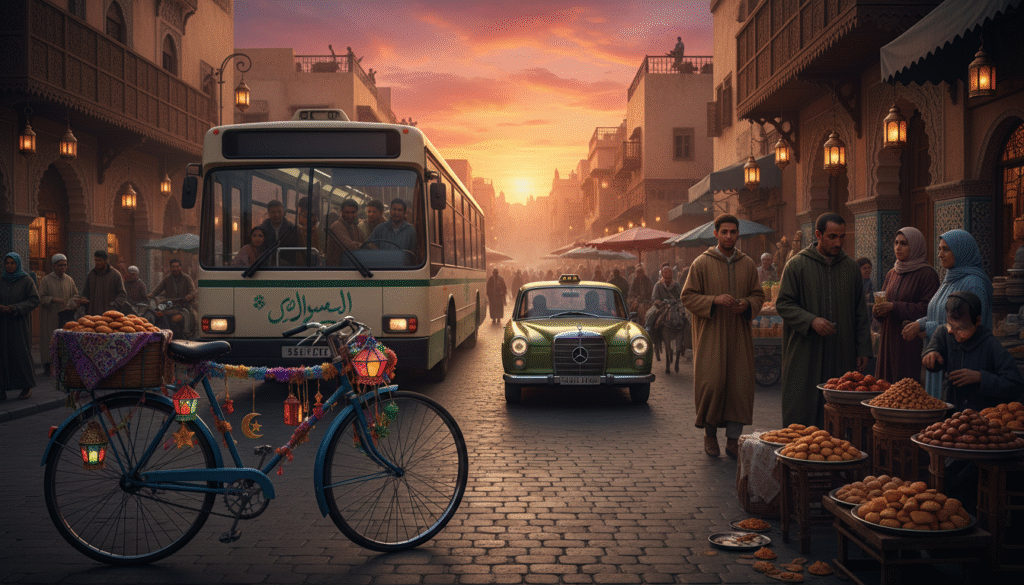
Morocco’s transport network changes a lot during Ramadan. Tourists need to know about these changes to move around easily.
Public Transport Schedules
Public transport in Morocco changes during Ramadan. Buses and trains run less during the day. But, they get more frequent after sunset.
In big cities like Marrakech and Casablanca, buses run less from dawn to dusk. But, they run more often after iftar. This makes it easier to get to places in the evening.
| City | Pre-Iftar Frequency | Post-Iftar Frequency |
|---|---|---|
| Marrakech | Every 30 minutes | Every 15 minutes |
| Casablanca | Every 20 minutes | Every 10 minutes |
Taxi Services During Ramadan
Taxis are a good way to get around Moroccan cities during Ramadan. But, taxi drivers might take breaks during fasting hours.
Grand Taxis for longer trips or groups might change their schedules too. Always agree on the fare first. Also, check if taxis are available, mainly during busy times.
Events like music festivals in Casablanca can also affect transport. Expect more traffic and possible changes in public transport routes. Plan ahead and stay updated on local events to avoid any trouble.
Cultural Events and Festivals
Ramadan in Morocco is more than fasting. It’s a time when the country buzzes with cultural events and festivals. The air is filled with community and spirituality, making it a unique experience for visitors.
Special Activities in Moroccan Cities
In Ramadan, cities like Marrakech, Fez, and Rabat are alive with special activities. You’ll find traditional music, cultural exhibitions, and theatrical shows that celebrate Moroccan heritage.
Marrakech, known for its vibrant vibe, hosts many cultural events. The famous Jemaa el-Fnaa square turns into a bustling spot during Ramadan. Here, storytellers, musicians, and performers entertain the crowds.
| City | Event Type | Description |
|---|---|---|
| Marrakech | Cultural Performances | Traditional music and dance shows |
| Fez | Exhibitions | Art and craft exhibitions showing local artisans |
| Rabat | Theatrical Shows | Performances based on Moroccan history and folklore |
Local Events Focused on Ramadan
Local events during Ramadan are deeply rooted in Moroccan culture. A highlight is the Iftar gatherings, where families and friends come together to break their fast. Tourists can join these gatherings to feel the communal spirit.
Many cities also have Ramadan tents, large gatherings with food, entertainment, and a festive vibe. These events are perfect for tourists to dive into local customs.
Morocco’s cultural events during Ramadan show the country’s rich heritage and hospitality. By joining these events, tourists can understand Moroccan culture better and make unforgettable memories.
Interacting with Locals
Traveling through Morocco during Ramadan can be amazing if you know how to connect with locals. Morocco is famous for its warm welcome. Locals love to share their culture and traditions with visitors.
Understanding Cultural Sensitivities
It’s important to be aware of cultural norms when meeting locals. For example, it’s polite to not eat, drink, or smoke in public during fasting hours. Also, dressing modestly shows respect for their customs.
Key Cultural Sensitivities to Respect:
- Refrain from public displays of affection
- Dress modestly, covering shoulders and knees
- Avoid eating or drinking in public during fasting hours
Engaging in Conversations About Ramadan
Talking about Ramadan is a great way to bond with locals. Showing real interest in their traditions can lead to deep conversations. You might ask about their Ramadan experiences, the meaning of certain practices, or even about traditional foods.
| Conversation Starters | Tips for Engaging Locals |
|---|---|
| Ask about Ramadan traditions | Show genuine interest and listen actively |
| Inquire about local cuisine during Ramadan | Be open to trying new foods and flavors |
Being respectful and genuinely interested in the local culture makes your trip to Morocco during Ramadan more rewarding. Interacting with locals is about more than just exchanging information. It’s about making connections and creating unforgettable memories.
Activities for Tourists
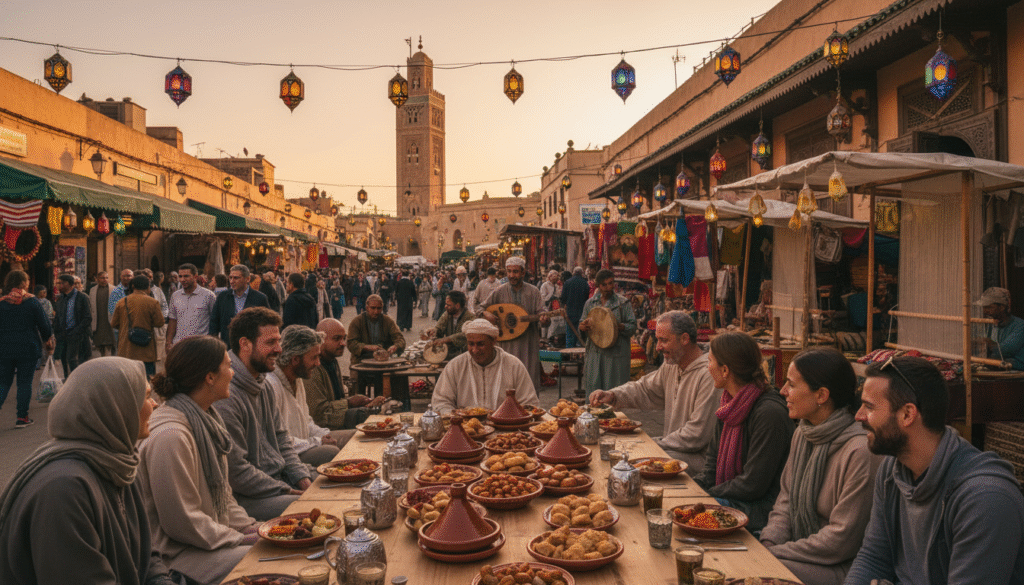
Tourists visiting Morocco during Ramadan can enjoy many activities. The country’s rich heritage is on full display. The evenings are filled with cultural events and festivities.
Sightseeing Tips During Ramadan
Tourist attractions remain open during Ramadan, but hours might change. It’s best to visit early in the morning or after Iftar. The atmosphere is then very vibrant.
The bustling souks (markets) are a must-see. You can find traditional crafts and local delicacies. Visiting souks during Ramadan is a unique experience.
Evening Activities After Iftar
Evenings in Morocco become lively after Iftar. Top music festivals in Morocco often happen then. They feature both local and international artists.
Other evening activities include:
- Traditional drumming performances
- Cultural exhibitions
- Ramadan lantern lighting ceremonies
Many restaurants and cafes host special Iftar events. They offer traditional dishes in a warm atmosphere. It’s a great way to meet locals and enjoy Moroccan hospitality.
Overall, Ramadan in Morocco is a unique experience for tourists. By respecting local customs, visitors can have a rich and memorable trip.
Safety and Health Tips
Planning a trip to Morocco during Ramadan? It’s important to know a few health and safety tips. Morocco is vibrant and exciting, but being prepared is key for a great trip.
Staying Hydrated
Staying hydrated is key, even more so during Ramadan. The locals fast from dawn till dusk. It’s a chance to learn about water use in the desert.
- Drink plenty of water between Iftar and Suhoor to stay hydrated.
- Avoid strenuous activities during the day, when it’s hot.
- Carry a refillable water bottle to cut down on plastic waste.
Food Safety at Iftar
Enjoying Iftar is a highlight of Ramadan in Morocco. But, it’s also important to think about food safety to avoid health problems.
- Choose busy restaurants and stalls with lots of food turnover.
- Make sure the food is cooked well and served hot.
- Be careful with raw veggies and fruits; wash them well before eating.
Here’s a comparison of some health and safety tips:
| Health Tip | Pre-Ramadan | During Ramadan |
|---|---|---|
| Hydration | Drink water as usual | Drink water between Iftar and Suhoor |
| Food Consumption | Eat at any time | Be mindful of food safety at Iftar |
By knowing these tips, tourists can enjoy Morocco’s unique Ramadan culture while staying healthy and safe.
Packing Essentials for Ramadan Travel
Traveling to Morocco during Ramadan requires careful packing. Knowing the cultural and religious importance of this time helps you prepare well.
Clothing Considerations
Wearing modest clothes is key during Ramadan. Loose-fitting garments that cover your shoulders and knees are best. Women should bring a scarf to cover their hair, mainly when visiting mosques or at Iftar events.
Items to Bring for Comfort
Wear comfortable shoes for market and city explorations. Also, bring reusable water bottles to stay hydrated when not fasting. If you’re going to popular music festivals in Morocco after Iftar, pack for that too.
Being thoughtful about your packing ensures a respectful and fun trip to Morocco during Ramadan.
Conclusion: Embracing the Experience
Traveling to Morocco during Ramadan is a unique and enriching experience. It offers a glimpse into the country’s vibrant culture and traditions. By understanding and respecting local customs, visitors can fully immerse themselves in the spirit of Morocco’s cultural festivals.
Cultural Immersion
To make the most of your visit, consider following Ramadan travel tips. Adjust your meal times to coincide with iftar and suhoor. Participating in local events and festivals will enhance your experience and show respect for the local community.
Respectful Travel
Embracing the Ramadan experience in Morocco is about finding a balance. It’s about respecting local traditions and enjoying the country’s hospitality. By being mindful of cultural sensitivities and dressing modestly, visitors can ensure a harmonious and enjoyable trip.