
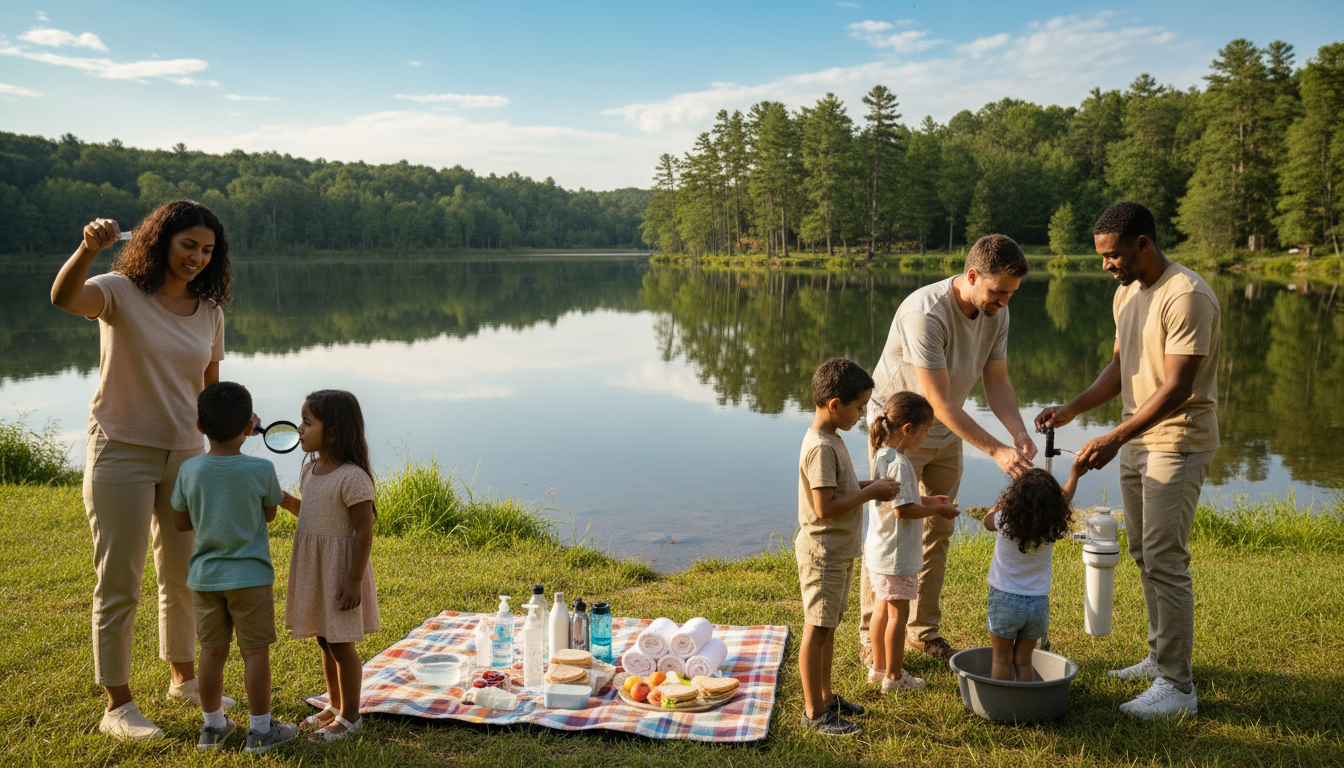
Water Safety & Hygiene Tips
Did you know that over 2 billion people worldwide drink contaminated drinking water? This leads to many health problems.
Keeping clean water practices is key for a healthy life. Simple steps can help you and your family avoid waterborne diseases.
Good hygiene practices at home and in your community are important. They help lower the risk of water-related health issues. By choosing the right drinking water, you protect your family’s health.
Understanding the Importance of Water Safety
Water safety is vital for keeping you and your community healthy. Water is essential for our daily lives. Its safety is key to stopping waterborne diseases. We will look at the dangers of unsafe water, common diseases, and how it affects public health.
The Impact of Unsafe Water
Unsafe water can harm your health a lot. It can cause stomach problems and other health issues. Poor hygiene practices make things worse. It’s important to keep water clean.
Unsafe water isn’t just bad for your health. It can also hurt a whole community. Waterborne disease outbreaks can cost a lot in medical bills and lost work.
Common Waterborne Diseases
Many waterborne diseases are serious health threats. These include:
- Cryptosporidiosis, caused by the Cryptosporidium parasite, leading to severe diarrhea.
- Giardiasis, resulting from Giardia parasites, which can cause gastrointestinal distress.
- Cholera, a bacterial infection that can lead to severe dehydration.
These diseases often come from bad hygiene practices and dirty water. Knowing the causes and symptoms helps prevent and treat them.
How Water Safety Affects Public Health
Water safety directly affects public health. Places with clean water and good sanitation have fewer waterborne diseases. Keeping water safe means checking its quality often and using effective hygiene practices.
| Disease | Cause | Symptoms |
|---|---|---|
| Cryptosporidiosis | Cryptosporidium parasite | Diarrhea, stomach cramps |
| Giardiasis | Giardia parasites | Gastrointestinal distress, diarrhea |
| Cholera | Vibrio cholerae bacteria | Severe diarrhea, dehydration |
By understanding water safety and acting early, you help keep everyone healthy. This stops waterborne diseases.
Key Practices for Safe Drinking Water
To keep a healthy environment, it’s key to follow safe drinking water practices. Making sure your water is clean and safe is vital for health. By using the right methods, you can lower the risk of waterborne diseases.
Water Filtration Methods
Water filtration is a critical step in making drinking water safe. There are many filtration methods, each with its own benefits.
- Activated Carbon Filters: These filters remove chlorine, lead, and VOCs from water.
- Reverse Osmosis (RO) Systems: RO systems use a semi-permeable membrane to remove many contaminants, including dissolved solids.
- Ultraviolet (UV) Light Purifiers: UV purifiers kill bacteria, viruses, and other pathogens with ultraviolet light.
The Importance of Boiling Water
Boiling water is a simple and effective way to purify it. Boiling water for 1-3 minutes can kill most pathogens, including bacteria, viruses, and protozoa.
It’s important to boil water during waterborne disease outbreaks or when the water supply is suspected to be contaminated. Boiling is reliable because it only needs a pot and a heat source.
Recognizing Contaminated Water
Knowing how to spot contaminated water is key to avoiding waterborne illnesses. Contaminated water may show signs like:
- Cloudiness or turbidity
- Unusual odors or tastes
- Visible particles or sediment
Always check your water for these signs before drinking. If you’re not sure about your water’s safety, use filtration or boiling methods.
By following these key practices for safe drinking water, you can protect your health and ensure a safe environment for your family.
Hygiene Tips for Water Use
Water hygiene is very important for our health. Good hygiene when using water helps prevent diseases and keeps our environment clean.
Handwashing Techniques
Proper handwashing is key to water hygiene. Washing your hands often, like after using the bathroom and before eating, helps stop infections. Use soap and water, rubbing your hands together to clean all parts.
Here’s how to handwash effectively:
- Wet your hands with clean water.
- Apply enough soap to cover your hands.
- Rub your hands together to create a lather.
- Scrub all surfaces, including the backs of your hands, between your fingers, and under your nails.
- Rinse thoroughly with clean water.
- Dry your hands with a clean towel or air dryer.
Personal Hygiene Guidelines
Keeping personal hygiene up is important when using water. This means taking regular showers or baths, brushing your teeth with clean water, and washing clothes in clean water to stop infections.
| Hygiene Practice | Benefits |
|---|---|
| Regular Handwashing | Reduces the spread of infections |
| Daily Showers/Baths | Maintains personal cleanliness |
| Brushing Teeth with Clean Water | Prevents oral infections |
| Washing Clothes in Clean Water | Prevents the spread of skin infections |
Sanitation in Shared Facilities
Keeping shared facilities clean is vital for water hygiene. Make sure these places are cleaned often with disinfectants, and waste is thrown away correctly.
Some important practices for shared facilities include:
- Cleaning surfaces regularly with appropriate disinfectants.
- Ensuring proper waste disposal.
- Providing adequate handwashing facilities.
By following these tips, you help keep our environment clean and healthy. Remember, good water hygiene is not just for personal health but also for the community’s well-being.
Water Safety in Recreational Activities
To enjoy activities safely, knowing water safety rules is key. Whether swimming, boating, or at the beach, safety tips are important. They help ensure a fun and safe time for everyone.
Guidelines for Swimming Pools
Swimming pools need strict safety rules. Supervision is key; always watch children. Keeping the water clean is also vital. Check the pool’s chemical balance often to stop harmful bacteria.
Know the pool’s rules, like no diving in shallow water. These rules help avoid accidents and keep everyone safe.
Water Safety at Beaches
Beach activities are fun but come with risks. Always check the weather and water before going. Watch out for rip currents that can pull you away from shore.
If caught in a rip current, stay calm and swim parallel to the shore. Also, watch for warning flags and signs. Showering after swimming helps prevent infections.
Boating Safety Essentials
Boating needs special safety steps. Always wear a life jacket and make sure others do too. Check the weather forecast and avoid boating in bad weather.
Follow boating safety regulations like having safety gear on board. This includes flares, fire extinguishers, and a first aid kit. These steps can greatly reduce accident risks on the water.
Emergency Preparedness for Water Safety
Being ready for unexpected situations is key in water safety. Emergencies can come from natural disasters or other surprises. It’s important to have a plan ready.
Assembling Your Emergency Water Kit
Making an emergency water kit is a must. It should have at least one gallon of water per person per day. This is for drinking, cooking, and staying clean. Don’t forget to add water purification tablets or a portable filter for safe drinking water.
Key components of your emergency water kit:
- Water storage containers
- Water purification methods (tablets, filters, or UV light)
- Non-perishable food items
- First aid kit
Staying Informed with Local Water Advisories
Knowing about local water advisories is important. These can tell you about water contamination or safety issues. Sign up for emergency alerts from your local water utility or health department to stay informed.
Tips for staying updated:
- Register for emergency alerts
- Follow local news and weather reports
- Check your water utility’s website regularly
Navigating a Water Contamination Crisis
Knowing what to do in a water contamination crisis is vital. If you hear about contamination, stop using tap water right away. Use bottled or boiled water until it’s safe again.
Actions to take during a crisis:
- Stop using tap water
- Use alternative water sources
- Follow instructions from local authorities
Maintaining Water Quality in Your Home
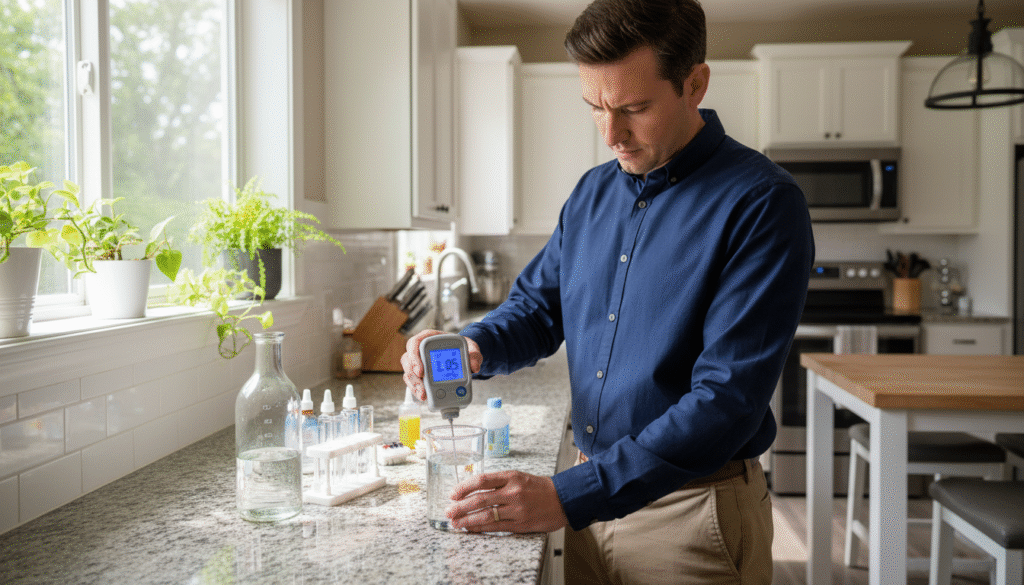
Clean water is key for a healthy home. There are steps you can take to keep it clean. Making sure your water is clean is important for your family’s health.
By following simple practices, you can lower the risk of waterborne diseases. This is good for everyone in your home.
Regular Water Testing
Testing your water regularly is a must. You should check for things like lead, bacteria, and nitrates. Here are some key aspects to consider during water testing:
- Look for signs of contamination like color, odor, and sediment.
- Use water testing kits to find common contaminants.
- Think about getting a professional to do a full water analysis.
Plumbing Maintenance Tips
Keeping your plumbing in good shape is important. It helps prevent water from getting contaminated. Some key plumbing maintenance tips include:
- Check and replace old pipes and fittings often.
- Make sure your water heater works right and get it checked every year.
- Don’t put grease, hair, and other stuff down your drains.
Using Safe Water Storage
Safe water storage is key to keeping water clean. Always store water in clean, covered containers to prevent contamination. Here are some guidelines for safe water storage:
- Use containers made for water storage.
- Label and date containers to keep track of them.
- Store water in a cool, dark place to stop algae.
Teaching Children About Water Safety
As a parent, teaching your kids about water safety is key to avoiding accidents. Start early and make it fun. This way, you protect them and teach them habits for life.
Age-Appropriate Water Safety Lessons
Children learn at different rates, so lessons must match their age. Young kids should learn not to go near water alone. Older kids can learn about swimming and water conditions.
- For toddlers: Emphasize the dangers of water and the need for adult supervision.
- For school-age children: Teach them basic swimming skills and water safety rules.
- For teenagers: Discuss more advanced safety measures, such as checking the depth of water before diving.
Fun Activities to Promote Hygiene
Teaching hygiene can be fun with the right activities. You can make games out of handwashing or teach songs about hygiene. Even a ‘hygiene challenge’ can be a fun way to keep things clean.
- Create a handwashing routine that is fun and engaging.
- Use songs or rhymes to teach hygiene practices.
- Organize a ‘hygiene challenge’ to encourage cleanliness.
Importance of Supervision
Supervision is critical for water safety. Kids should always be watched when near water, like in a bathtub, pool, or beach. Never leave a child unattended near water, and make sure the adult watching is focused.
By following these tips, you can greatly improve your child’s water safety knowledge. The goal is to educate and empower them to make safe choices around water.
Community Involvement in Water Safety
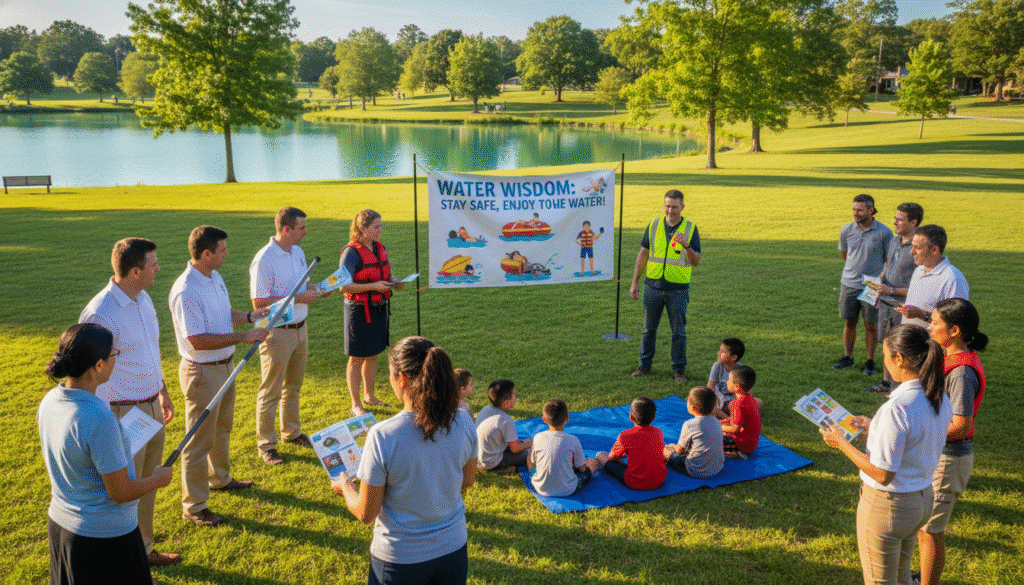
You can make a big difference in your community’s water safety by getting involved. It’s important to promote water safety and hygiene. By joining local initiatives, you help create a healthier environment for all.
Advocating for Clean Water Resources
Supporting clean water resources is key to ensuring safe drinking water in your community. This means backing policies that protect water sources and encouraging water conservation. Start by learning about local water issues and attending meetings on water management.
Effective Advocacy Strategies:
- Engage with local government officials to prioritize water safety.
- Support organizations working towards clean water initiatives.
- Raise awareness about the importance of water conservation.
Organizing Local Clean-Up Events
Organizing clean-up events is a practical way to improve water safety. These events help clean water bodies and raise awareness about clean water environments. Work with local groups, schools, and businesses to plan these events.
Steps to Organize a Successful Clean-Up Event:
- Identify a local water body that needs cleaning.
- Coordinate with local authorities and community groups.
- Provide necessary equipment and safety gear to participants.
Collaborating with Local Health Departments
Working with local health departments is vital for understanding water safety issues. They offer insights into waterborne diseases and prevention measures. Together, you can implement effective water sanitation tips and promote clean water habits.
| Collaboration Area | Benefits | Actions |
|---|---|---|
| Water Quality Monitoring | Identify sources of contamination | Regular testing and reporting |
| Public Education | Raise awareness about water safety | Conduct workshops and distribute educational materials |
| Policy Development | Influence water safety regulations | Participate in policy-making meetings |
By participating in these activities, you contribute to your community’s well-being. You also inspire others to join in. Every effort helps make water environments safer for everyone.
Exploring Resources for Further Learning
To keep up with water safety, it’s key to keep learning. There are many resources to help you learn more and share what you know. This way, you can always improve your water safety habits.
Valuable Associations and Educational Campaigns
Many groups work hard to teach people about water safety. The American Red Cross is one such group. They offer training and resources to help you stay safe around water.
Look for local workshops and campaigns in your area. They can teach you important Water Safety & Hygiene Tips.
Online Resources for Families
Online resources are great for families to learn about water safety. The Centers for Disease Control and Prevention (CDC) has lots of helpful information. They share tips on keeping water safe at home and during fun activities.
Using these resources, you can always get better at water safety. And you’ll know the latest ways to keep water clean and safe.